
Japan’s rail network is often regarded as one of the most efficient tran sport systems in the world, combining speed, precision, and accessibility across long distances. Among its most recognised routes is the journey between Tokyo and Kyoto, a connection that links modern urban life with centuries of cultural history in just a few hours.
High-speed travel between two iconic cities
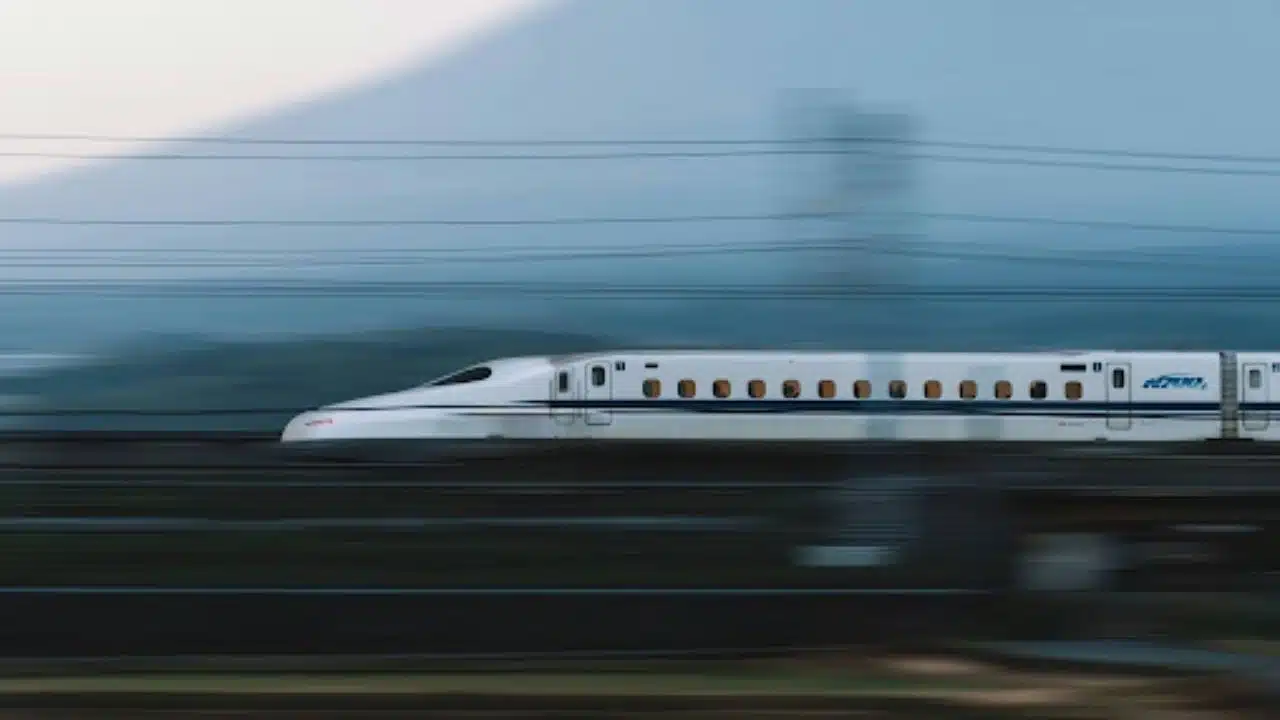
Taking the Tokyo to Kyoto Shinkansen remains one of the most practical ways to travel across central Japan. Services operated by Japan Railways Group depart regularly from Tokyo Station and arrive at Kyoto Station in approximately two and a half hours on the fastest routes. The trains are designed for both comfort and punctuality, with reserved seating, onboard facilities, and luggage storage areas available throughout the journey. Travelling by Shinkansen avoids airport procedures and allows passengers to move directly between city centres. Large windows reveal gradual changes in landscape, from dense urban districts to more open countryside and mountain views. The route itself has become a central part of many visitors’ experiences in Japan. It combines efficiency with a sense of continuity rarely found in air travel. The journey also demonstrates the scale and organisation of Japan’s broader transport infrastructure. For many travellers, the Shinkansen becomes one of the highlights of the trip itself.
Planning broader rail-based itineraries
Many visitors incorporate the Shinkansen into longer routes that extend across multiple regions of the country. Rail travel is often included within organised Japan trip packages, particularly those focused on combining major cities with smaller cultural destinations. The flexibility of Japan’s rail system allows travellers to move between urban centres, coastal areas, and rural towns without relying heavily on domestic flights. Stations are generally positioned close to city centres, reducing the need for long transfers on arrival. Multi-city itineraries often begin in Tokyo before continuing through Kyoto, Osaka, Hiroshima, or further north. Rail passes can simplify the booking process for longer journeys, depending on travel duration and destinations. This structure encourages slower and more connected travel. Instead of focusing solely on individual attractions, travellers experience how regions gradually change from one another. The consistency of the rail network also reduces logistical stress. As a result, train travel becomes central to the rhythm of exploring Japan.
Tokyo’s scale and movement
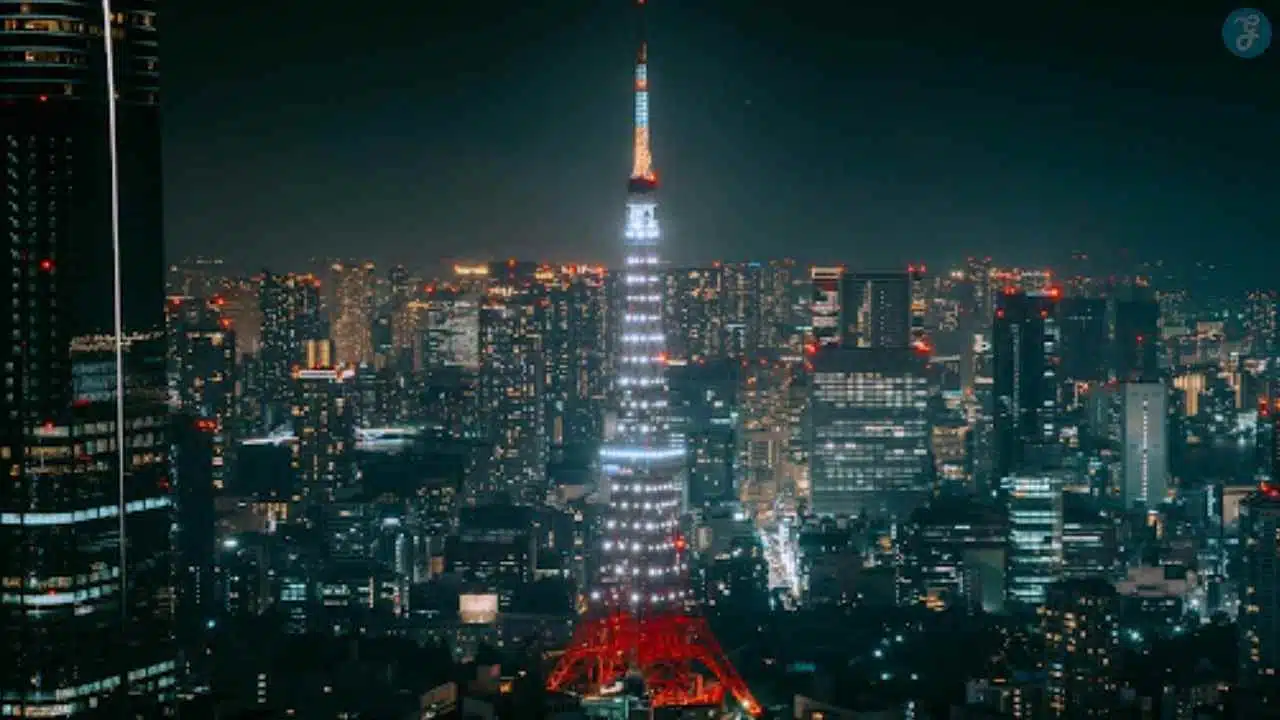
Tokyo introduces visitors to a highly organised but constantly moving urban environment. Districts such as Shinjuku, Shibuya, and Ginza each maintain distinct identities despite forming part of the same metropolitan area. The city’s rail and metro systems connect these neighbourhoods efficiently, making movement across long distances surprisingly manageable. Landmarks such as Tokyo Tower and Senso-ji reflect both modern and historical aspects of the capital. Public spaces remain active throughout the day, with restaurants, department stores, and train stations operating within tightly coordinated systems. Tokyo’s density creates a fast pace that contrasts sharply with many other parts of Japan. At the same time, quieter residential districts and gardens provide moments of calm within the larger city. The efficiency of movement becomes one of Tokyo’s defining characteristics. Travellers quickly adapt to the city’s structure through its transport system. Tokyo often serves as both an introduction to and departure point from Japan.
Life onboard the Shinkansen
The onboard environment of the Shinkansen contributes significantly to the overall travel experience. Seating is spacious compared to many short-haul flights, with enough room for luggage and movement between carriages. Quiet carriages are available on certain services, helping maintain a calm atmosphere throughout the journey. Food and drinks can be purchased onboard or brought from station shops before departure. Many travellers choose boxed meals known as ekiben, which are specifically designed for rail travel. The ride itself remains remarkably smooth, even at high speeds. Announcements are clear and generally provided in both Japanese and English. Large windows allow passengers to observe changing scenery without interruption. During clear weather, views of Mount Fuji may appear briefly along parts of the route. The experience combines efficiency with comfort in a way that has become strongly associated with modern Japan.
Kyoto’s historical atmosphere
Kyoto provides a noticeable contrast to Tokyo through its slower pace and preserved historical districts. Temples, shrines, and traditional wooden streets remain central to the city’s identity. Areas such as Gion and Higashiyama are best explored on foot, particularly during quieter morning hours. Landmarks including Kiyomizu-dera and Fushimi Inari Taisha attract visitors year-round, yet the city still retains a calmer atmosphere than Tokyo. Public transport remains efficient, though many neighbourhoods encourage slower walking routes rather than rapid movement. Seasonal changes strongly influence the experience, especially during cherry blossom and autumn foliage periods. Kyoto’s structure supports a different style of travel focused more on observation and routine. The contrast with Tokyo becomes one of the defining elements of the broader journey. Travelling between the two cities highlights the diversity within Japan itself. Kyoto often leaves a lasting impression because of this shift in pace.
Osaka and the Kansai region
Beyond Kyoto, Osaka introduces another dimension to the Kansai region. The city is known for its energetic street life, food culture, and commercial districts such as Dotonbori and Umeda. Compared to Kyoto, Osaka feels more modern and informal, with a stronger emphasis on nightlife and entertainment. Rail connections between Kyoto and Osaka are short and frequent, allowing travellers to move easily between the two cities. The wider Kansai region also includes destinations such as Nara and Kobe, each accessible within relatively short travel times. This concentration of cities makes the region particularly suited to rail-based exploration. Travellers can experience distinct urban atmospheres without long journeys. The contrast between Tokyo, Kyoto, and Osaka demonstrates how regional identity remains visible even within a highly connected country. Rail infrastructure supports this variation by keeping movement efficient and predictable. Kansai often becomes one of the most memorable parts of a trip through Japan.
Regional landscapes beyond the cities
Although major cities dominate many itineraries, rail travel in Japan also reveals quieter landscapes between urban centres. Sections of the route between Tokyo and Kyoto pass through agricultural regions, smaller towns, and mountainous terrain that contrast sharply with the dense metropolitan areas. Travelling by train allows these transitions to remain visible rather than hidden behind airport terminals. Smaller regional lines extending beyond the Shinkansen network reach coastal communities, rural villages, and less-visited prefectures. These slower routes encourage a different pace of exploration. Travellers become more aware of geography, seasonal changes, and local variation. Including regional destinations alongside major cities creates a more balanced experience overall. Japan’s transport system supports both rapid movement and slower observation equally well. This flexibility is one of the country’s greatest strengths for rail-based travel.
Bringing the experience together
The Shinkansen route between Tokyo and Kyoto represents more than just a fast connection between two cities. It reflects the broader strengths of Japanese rail travel: efficiency, comfort, accessibility, and continuity. Combined with the surrounding regional networks, the journey allows travellers to experience multiple sides of Japan through a connected and carefully organised system.