Shipping goods across the sea can be risky. Cargo might get damaged, stolen, or even lost due to unexpected events like bad weather or accidents. These risks cause significant losses for businesses and lead to stress and costly repairs.
Marine insurance helps ease these concerns by covering a wide range of risks during transportation. It protects cargo owners, ship operators, and other parties involved in maritime trade from financial loss.
This makes it a crucial safety measure for anyone involved in shipping.
This guide lists 10 key risks covered by marine insurance in India. From damage during transit to piracy-related threats—this blog provides a clear explanation. Keep reading to learn how marine insurance can protect your cargo and business!
Damage to Cargo During Transit
Goods often face risks like breakage, theft, or weather damage during transit. Marine cargo insurance safeguards these goods transported via sea, air, or land. All-risk coverage offers broad protection against unexpected harm.
For example, if a ship encounters rough seas causing water to ruin textiles, this policy ensures coverage. Named Perils Coverage protects against specific threats such as fire or collision.
Temperature-sensitive cargo needs extra care during delivery. Items like medicines and food may spoil without proper temperature management. Temperature-controlled cargo coverage helps cover such losses under marine insurance plans.
War risk protection secures shipments from piracy or terrorism-related damages while in transit—making it essential for global trade safety!
Hull and Machinery Risks
Hull and Machinery (H&M) insurance protects ships against physical damage. It covers the vessel, engines, tools, and equipment. This includes risks like collisions, machine failures, or accidents during operations.
For example, if a ship hits an iceberg in Arctic waters, H&M insurance pays for repairs or total loss.
The growing unpredictability of climate change raises risks for Arctic shipping. Ice can severely damage hulls and machinery. Insurers face financial challenges as claims often exceed collected premiums in such cases.
With more shipping expected in Arctic regions by 2030 due to melting ice caps, demand for this coverage will grow rapidly.
Machine malfunctions are another major concern for vessels under H&M policies. A sudden engine failure could lead to delays or hazardous situations at sea. Proper claims management is key to recovering losses when these incidents occur effectively.
Ship collisions and other navigational risks can cause massive damage. Marine insurance covers such risks, protecting vessels from costly repairs or loss. These include accidents with other ships, underwater hazards like rocks, or errors in route planning.
Hull insurance specifically safeguards vessels from damage during these incidents.
A single collision may involve liabilities for damaged cargo, environmental harm, or third-party claims. Shipowners face large expenses without proper coverage. Marine underwriting ensures financial protection against such oceanic risks, keeping businesses safe during unpredictable maritime operations.
Theft, Piracy, and Vandalism
Theft, piracy, and vandalism pose serious risks to maritime operations. Theft can lead to financial loss for cargo owners and shipping companies. Goods like electronics or luxury items are prime targets for robbers during transit.
Piracy remains a significant threat in regions like the Gulf of Aden and parts of Southeast Asia. Pirates hijack vessels, loot cargo, and demand ransoms that cost millions.
Vandalism damages ships, containers, or port facilities. Such attacks often disrupt schedules and result in expensive repairs. Sabotage may occur due to smuggling operations or illegal activity near docks.
Marine insurance helps protect stakeholders from these risks by covering losses caused by burglary or other breaches involving criminal activity at sea or onshore ports.
Fire and Explosion Risks
Fire and explosions are serious threats in marine activities. They can destroy vessels and cargo and create huge financial losses. Over the past five years, fire and explosion have caused more insurance claims than sinking or collisions by value, according to AGCS.
These incidents often occur due to fuel leaks, engine failures, or improper cargo handling.
Marine insurance protects businesses against such risks. Hull insurance covers damages to the vessel itself in case of fire or explosions. Cargo protection ensures goods remain safe during transit.
Investing in proper coverage helps reduce shipping risks and prevents major business impacts from unexpected events at sea.
Natural Disasters and Weather-Related Risks
Storms, earthquakes, and tsunamis can cause severe damage to ships and cargo. Marine insurance in India covers these natural calamities under its protection plans. Hazardous weather conditions like cyclones or hurricanes might destroy vessels or wash goods overboard.
Hull insurance helps repair structural damage caused by such events, ensuring the vessel’s safety.
Shipping companies must act fast after disasters strike. They need to notify insurers immediately and provide proof of property damage with records or photos. This speeds up the claims process for recovery from environmental hazards or catastrophic events.
Risk mitigation strategies also involve constant weather updates and proper disaster risk management plans while at sea.
General Average Contributions
General Average Contributions protect all parties in a voyage when sacrifices are made for the common good. For example, if cargo is thrown overboard to save a sinking ship, all involved—cargo owners, shipowners, and insurers—share the loss equally.
This principle ensures fairness during unexpected events. Marine policies often cover such shared losses to reduce individual burdens.
The Yantian Express incident in 2019 showcased the importance of this coverage under marine insurance. Fire damaged goods aboard the vessel, triggering general average claims. H&M (Hull and Machinery) insurance played a crucial role in managing costs from these sacrifices.
Without this protection, stakeholders could face heavy financial trouble during maritime disasters or accidents.
Salvage and Wreck Removal Costs
Salvage charges cover expenses for rescuing a vessel, cargo, or crew after an accident. These costs often include legal fees for salvage operations and crew repatriation costs. Hull and Machinery (H&M) insurance helps with recovery or repair expenses.
Protection & Indemnity (P&I) insurance covers liabilities like environmental remediation or damage caused by the wreck.
Removing wrecks can lead to high cleanup and pollution control costs. Environmental laws require removing hazardous debris to avoid ecological harm. Insurers also assess these risks before approving policies.
Additional fines may be imposed if salvage operations fail to meet legal standards, adding further financial strain on shipowners. Reputational damage from poor handling of such incidents can hurt businesses long-term too.
War and Strike-Related Risks
Acts of war, terrorism, and strikes can cause significant damage to ships and cargo. Marine insurance policies typically exclude these risks from standard coverage. To protect goods in transit, businesses must add special endorsements for war- and strike-related risks.
These include events like piracy, which heavily threatens global shipping routes.
Coverage for these risks may come with limitations or exclusions. Such additional protection increases insurance costs but is vital for safe operations during conflict situations. Shipowners who transport valuable cargo should carefully assess the need for this coverage to avoid heavy financial losses during transit disruptions caused by such events.
Pollution and Environmental Damage Liabilities
Pollution from ships can cause serious harm to the environment. Oil spills, hazardous material leaks, and waste discharge are major risks during maritime operations. These incidents often lead to legal liabilities for shipowners under strict environmental rules.
Marine liability insurance helps cover these costs, including fines and clean-up expenses.
Insurers assess pollution risks before offering coverage. A vessel’s history and its safety measures are critical in this process. Without proper coverage, businesses face high financial losses from such accidents.
Pollution insurance safeguards the company and protects marine ecosystems from lasting damage.
Crew and Passenger Liability Coverage
Crew and passenger liability coverage protects shipowners from legal claims related to injuries or death of crew members. It also covers liabilities arising from harm to passengers during voyages.
This type of insurance is part of Protection and Indemnity (P&I) insurance, which addresses third-party property damage and personal injury claims. For example, if a crew member gets hurt while working on the vessel or a passenger suffers due to an onboard accident, this coverage steps in.
India’s Marine Insurance Act of 1963 regulates such liabilities. The IRDAI ensures compliance with laws governing marine insurance risks. Shipowners must have this coverage as per regulations for both safety and financial protection.
Without it, managing unexpected lawsuits could become costly.
Cybersecurity Risks in Maritime Operations

Cyberattacks in maritime operations pose serious threats to ships, ports, and vessels. Technology risks in the maritime industry have grown with increased automation and digitalization.
In 2018, the Global Maritime Report flagged data theft as a major issue. Intellectual property theft and cyber extortion can lead to reputation damage for companies.
The IMO required safety management systems to address cyber risks by January 1, 2021. Business interruption from hacking or ransomware can cost millions of dollars daily. Data loss affects operational efficiency and trust between parties involved.
Lloyd’s of London and P&I Clubs are now creating policies for these specific cybersecurity issues. Cyber insurance is vital to cover gaps left by traditional marine policies that ignore such risks entirely.
Loss or Damage Due to Loading and Unloading
Cargo often faces risks during loading or unloading. Mishandling can cause damage, leading to financial loss. Marine cargo insurance covers these situations under transit risks. For instance, improper stacking may crush fragile goods, or rough handling might tear packaging and ruin items inside.
Carrier liability plays a big role here. Errors in securing loads or using faulty equipment can lead to losses. Freight insurance helps cover the costs of such damages. This ensures protection from issues like broken machinery parts, misplaced shipments, or dropped containers at ports.
Constructive Total Loss Coverage
Constructive Total Loss Coverage protects shipowners from massive financial setbacks. This happens if repairing a vessel costs more than its insured or market value. For example, if a ship’s repair bill is $5 million but its market value stands at $4 million, the insurer may declare it a Constructive Total Loss (CTL).
In such cases, insurers usually compensate the policyholder with the insured value while deducting any specific policy deductible.
The moment CTL gets declared, ownership of the damaged vessel shifts to the insurance company. They can then salvage parts or sell what remains for profit recovery. Shipowners benefit as they avoid further unexpected losses tied to costly repairs or lost use of their vessels during downtime.
This coverage offers strong financial protection against heavy repair bills after maritime accidents.
Liability for Third-Party Claims
Liability for third-party claims protects ship owners against financial losses linked to accidents or damage. This includes injuries to passengers or crew members or harm caused to other vessels and property.
Protection and indemnity (P&I) insurance is crucial in such cases. It covers these liabilities arising from maritime incidents under the Marine Insurance Act of 1963.
Policy terms define how much the insurer will pay for each claim. For example, if a vessel collision damages another ship, P&I coverage compensates the affected party. Similar coverage applies if crew or passenger injuries occur during operations.
Without proper liability insurance, shipowners risk huge financial setbacks due to unexpected claims.
Exclusions in Marine Insurance Policies
Marine insurance does not cover every risk. Loss caused intentionally by the policyholder gets no coverage. Damage from war, riots, strikes, or civil unrest is also excluded. Policies reject claims for poor packaging or mishandling during transit too.
Goods sensitive to temperature changes or bulk cargo often fall outside coverage limits. Wear and tear, as well as losses due to delays, remain exclusions in boat insurance policies.
These rules help insurers manage risks effectively while protecting only valid claims.
Takeaways
Marine insurance is vital for global trade. It protects ships, cargo, and businesses from unexpected losses. Experts agree it’s essential for smooth maritime operations.
Dr. Ramesh Verma, a maritime law expert with 25 years of experience, highlights its importance. He holds a doctorate in maritime commerce from Mumbai University and has worked as an advisor to major shipping companies worldwide.
Dr. Verma explains that marine insurance covers key risks like cargo damage, theft, natural disasters, and fire incidents. These safeguards ensure steady business flow even during accidents or disruptions.
He stresses the need for transparency in policies. Indian insurers follow the Marine Insurance Act 1963 for fairness and include ethical standards to protect policyholders’ rights.
For practical use, Dr. Verma advises shippers to evaluate their exact needs before choosing coverage—whether hull protection or liability claims support—for cost efficiency.
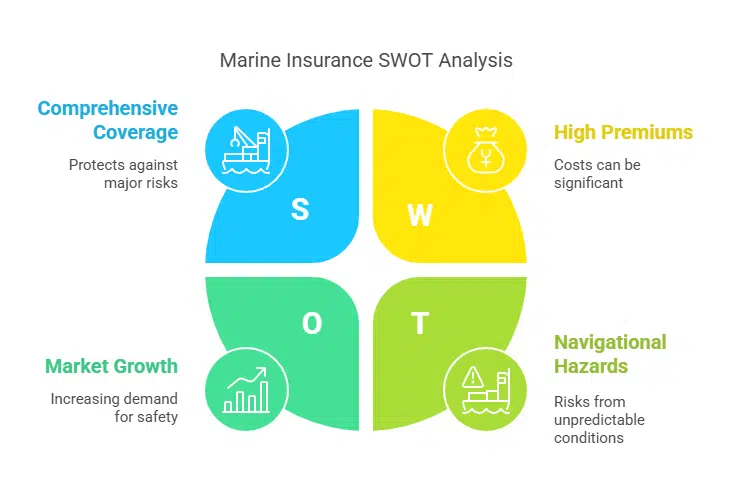
Its advantages are many: peace of mind against large financial losses and flexibility across transportation modes like sea or roadways. Yet high premiums can be challenging compared to other local insurances available today without compromising quality coverage options globally known under strict guidelines.
Dr.Verna confidently recommends using services such as transporting goods out safely bringing them back through secured financing, boosting India’s commerce profession