

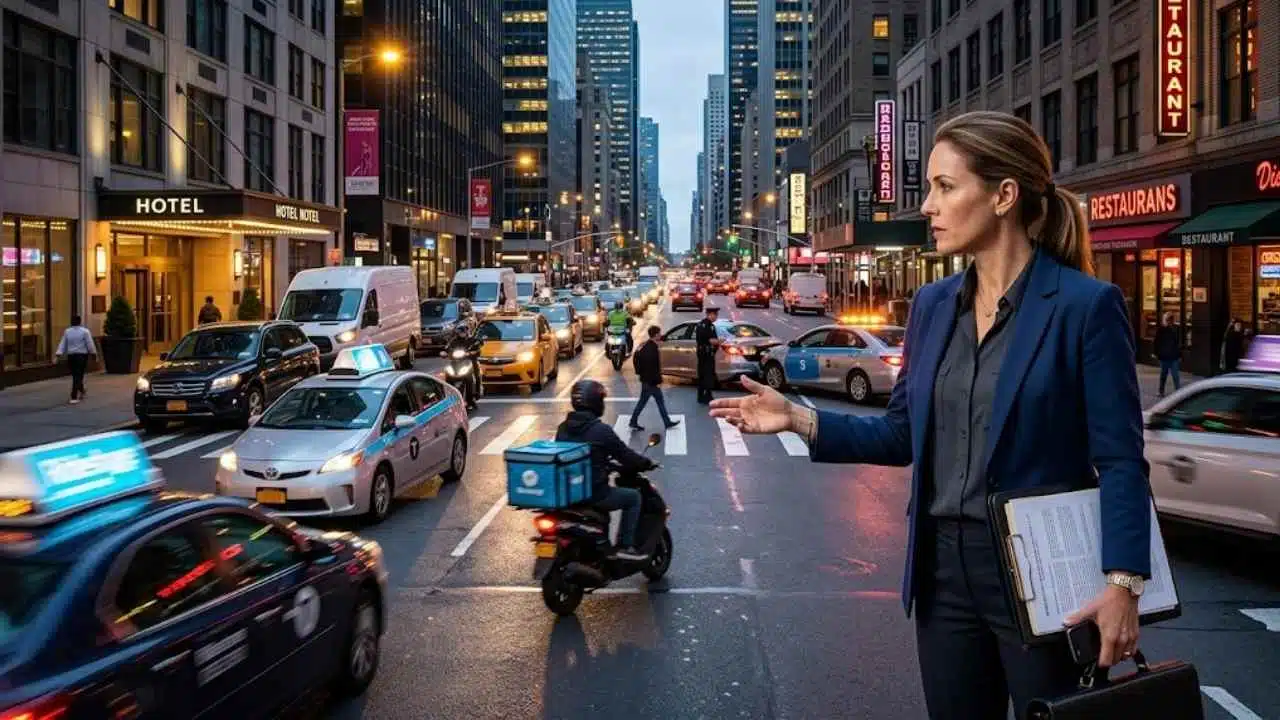
The rise of rideshare platforms and on-demand delivery services has transformed city life over the past decade. Companies like Uber and Lyft, along with a growing fleet of food and package delivery vehicles, have created a new ecosystem of mobility, convenience, and economic opportunity. But with this convenience comes complexity—especially in urban safety and liability. Cities are adapting to new traffic patterns, pedestrians are navigating busier streets, and legal professionals are increasingly involved in personal injury cases connected to these changes.
The Rideshare Revolution
Ridesharing has redefined how people navigate cities. For many urban dwellers, hailing a car with a smartphone app is faster and sometimes more affordable than owning a vehicle. Similarly, delivery apps have turned the logistics of everyday life upside down, putting thousands of drivers on city streets at all hours. While this shift has clear benefits—reducing the need for personal vehicles, lowering parking demand, and providing flexible income opportunities—it has also altered traffic dynamics in ways that urban planners and safety experts are still coming to terms with.
One noticeable trend is increased congestion in high-demand areas. Drop-off and pick-up zones often overlap with busy traffic lanes, creating bottlenecks. Delivery vehicles, in particular, frequently stop in mid-block to offload packages or food, sometimes blocking bike lanes or pedestrian crossings. This combination of factors raises the risk of collisions, not only between vehicles but also involving pedestrians and cyclists.
Accidents in the New Urban Landscape
Traffic accidents involving rideshare or delivery vehicles are on the rise, reflecting the growing density of these services. Minor fender-benders can quickly escalate into legal disputes, particularly when injuries are involved. These cases often raise questions about liability: Is the rideshare driver at fault, or is the parent company partially responsible? How does insurance coverage differ between a driver actively transporting passengers and one running personal errands or taking deliveries?
Accident reports show that areas near airports, downtown districts, and major entertainment hubs experience the highest incidence of rideshare-related incidents. For example, cities like Las Vegas, with its heavy tourism traffic, have seen numerous collisions at pick-up points outside hotels and casinos. When accidents occur, victims may face a confusing web of insurance policies, ranging from personal auto coverage to rideshare-specific liability plans.
Navigating Liability in Rideshare Incidents
Understanding liability in rideshare-related accidents requires both legal expertise and a grasp of how rideshare platforms operate. Drivers are typically considered independent contractors, not employees, which can complicate claims. Moreover, insurance policies often have layered coverage depending on whether the driver is waiting for a ride request, en route to pick up a passenger, or actively transporting one. These distinctions can determine whether a victim’s injuries are covered by personal insurance, a company policy, or third-party liability insurance.
Personal injury lawyers play a crucial role in navigating this complexity. They can help injured parties identify responsible parties, calculate damages, and negotiate settlements. In a city like Las Vegas, for example, someone injured in a collision involving a rideshare vehicle might work with a Las Vegas car accident lawyer to evaluate the case and determine whether the rideshare company bears any liability. Legal professionals ensure that victims are not left navigating this labyrinth alone, especially when multiple parties and insurance policies intersect.
The Rise of Delivery Vehicles and Urban Safety
Rideshare services are just one piece of the puzzle. The proliferation of delivery vehicles has added another layer of complexity. Companies like DoorDash, Postmates, and Amazon Flex have increased the number of cars, scooters, and bicycles sharing limited road space. Delivery drivers, often under pressure to meet tight deadlines, may be more prone to risky maneuvers such as abrupt lane changes, illegal parking, or running red lights. These behaviors contribute to a higher likelihood of accidents, particularly at intersections and in dense commercial zones.
Pedestrians are not immune. With more vehicles stopping unpredictably, city streets become less predictable for foot traffic. Even well-marked crosswalks cannot eliminate the risk when drivers prioritize speed over safety. Urban planners now have to consider these new variables, from redesigning drop-off zones to integrating dedicated lanes for rideshare and delivery traffic.
Technology, Accountability, and Future Solutions
Technology has both driven and complicated urban safety. GPS tracking, app-based navigation, and real-time traffic updates help drivers find efficient routes, but they can also encourage riskier driving behavior if the focus is on speed. Some rideshare companies have introduced safety features—automatic speed monitoring, in-app accident reporting, and background checks—but accidents still occur, highlighting that technology alone cannot prevent collisions.
Future solutions may involve a combination of regulation, infrastructure, and public awareness. Cities are experimenting with dedicated curbside zones, digital signage indicating high-risk areas, and stricter enforcement of delivery vehicle parking violations. Ride-hailing companies are also exploring partnerships with local governments to improve safety and minimize conflicts with pedestrians and cyclists.
Balancing Convenience and Responsibility
The rideshare and delivery revolution offers undeniable convenience, yet it also underscores a need for shared responsibility among drivers, companies, and city officials. While individuals may enjoy fast transportation or a quick meal delivery, they are also part of a larger system where safety and liability are interconnected. Personal injury lawyers and insurance professionals have become critical resources for those impacted by the unintended consequences of this urban shift.
Ultimately, the challenge lies in maintaining the benefits of rideshare culture while mitigating the risks. Cities must find ways to accommodate growing demand without compromising safety, and drivers must balance speed and efficiency with caution. Legal frameworks and insurance systems will continue to evolve, ensuring that when accidents occur, victims have a pathway to recovery.
Navigating Risk in Modern Urban Life
Rideshare platforms and delivery services are more than just conveniences—they are reshaping urban life, traffic patterns, and liability landscapes. As these services expand, so too do the challenges of maintaining safety in increasingly crowded streets. Accidents involving rideshare and delivery vehicles highlight the importance of legal oversight, clear insurance policies, and proactive urban planning. Navigating this new environment requires awareness, cooperation, and, when necessary, professional guidance from personal injury experts.
By understanding the complexities of rideshare and delivery-related accidents, city residents and commuters can make informed decisions, stay safer on the streets, and appreciate the intricate balance between convenience and responsibility that defines modern urban mobility.





















