


In the demanding world of elite athletics, particularly in combat sports, the spotlight almost invariably shines on the grueling hours spent in the gym – the relentless sparring, the intense conditioning, and the meticulous honing of technique. We celebrate the visible effort, the sweat, and the strategic brilliance displayed during waking hours.
Yet, beneath this tangible effort lies a silent, often underestimated, force that dictates true progress and long-term success: recovery. This crucial phase, especially during the deep hours of sleep, isn’t just about passive rest. It’s an active, dynamic period of profound physiological repair and adaptation that quietly transforms an athlete’s potential into peak performance. Optimal recovery while sleeping is the quiet power that truly unlocks a fighter’s capabilities, turning every taxing training session into tangible gains in strength, speed, and resilience.
The Nocturnal Symphony of Repair: What Happens While We Sleep
As a fighter slips into slumber, their body orchestrates a complex and vital symphony of repair, meticulously rebuilding and fortifying for the challenges ahead. During the deepest stages of sleep, the pituitary gland orchestrates a significant release of Growth Hormone (GH), a critical player in tissue repair, muscle protein synthesis, and even the efficient metabolism of fat.
This is the period when microscopic tears in muscle fibers, incurred during intense training, are actively mended, and depleted glycogen stores, the body’s primary fuel, are replenished. Simultaneously, the brain and lymphatic system work tirelessly to clear metabolic byproducts and cellular waste that accumulate during strenuous activity, essentially “cleaning house” to optimize function. Furthermore, sleep is a cornerstone of a robust immune system; insufficient rest leaves an athlete vulnerable to illness, disrupting consistent fighter training. Finally, neural restoration consolidates learned motor skills, refines coordination, and sharpens mental acuity, ensuring that the strategic lessons from the day’s training are cemented for future application.
Beyond Rest: Nutritional Strategies for Nighttime Restoration
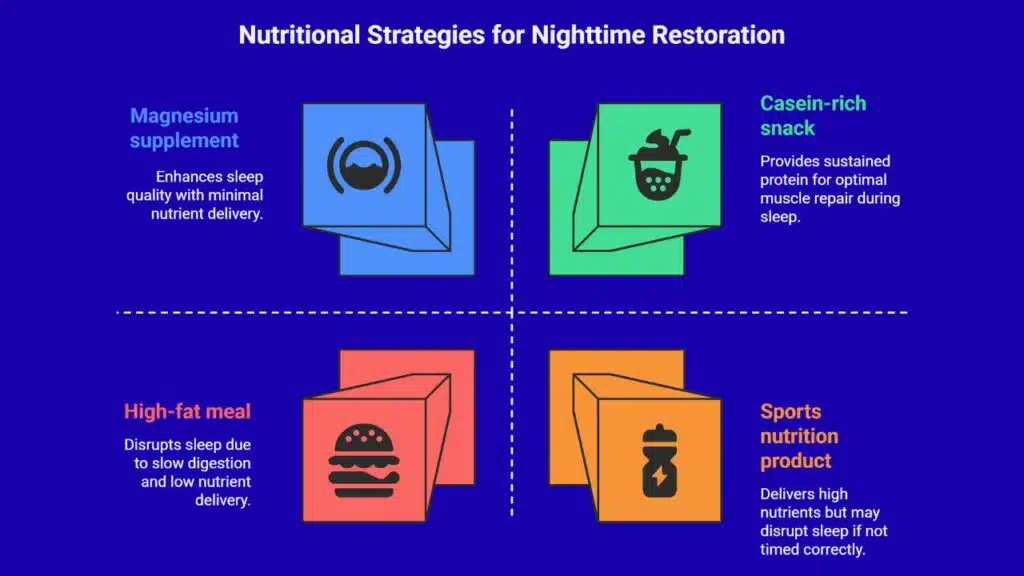
Optimal recovery isn’t solely about logging hours in bed; it’s also profoundly influenced by what a fighter consumes before sleep. The concept revolves around providing a sustained delivery of key nutrients throughout the night, precisely when the body is engaged in its most intensive repair processes. Slow-digesting proteins, such as casein (found in dairy products), are particularly valuable as a pre-sleep snack, offering a steady release of amino acids to fuel muscle repair and growth over several hours.
Beyond protein, specific micronutrients play an indispensable role: magnesium aids in muscle relaxation and sleep quality, while zinc supports hormone production vital for recovery. The timing and composition of this final intake are crucial; avoiding heavy, high-fat meals that can disrupt digestion, or stimulants like caffeine, ensures sleep architecture remains undisturbed. This strategic approach to fueling the body can be significantly bolstered by targeted sports nutrition products specifically formulated for evening consumption, offering a convenient and effective way to provide the precise building blocks needed for overnight repair and adaptation.
Tailoring Recovery for the Demands of Combat Sports
The unique crucible of fighter training places extraordinary demands on the human body, far exceeding the typical athletic endeavor. Combat athletes must recover from a unique combination of physical and neurological stressors, including:
- High-Impact and Repetitive Trauma: Constant strikes, grappling, and takedowns create significant micro-trauma in muscles, joints, and connective tissues.
- Extreme Cardiovascular Stress: Intense rounds push the heart and lungs to their absolute limits, requiring extensive recovery for the entire system.
- Neuromuscular Fatigue: Explosive movements and the need for rapid reactions heavily tax the central nervous system, which requires more recovery time than muscles alone.
- Cumulative Training Load: Many fighters engage in multiple sessions per day (e.g., striking, grappling, conditioning), leading to a compounded physical toll that requires diligent management.
This cumulative toll can rapidly lead to overtraining, burnout, and an increased risk of injury if recovery isn’t prioritized. In the arena, split-second reaction times, sharp decision-making under duress, and an elevated pain tolerance are paramount – all faculties directly compromised by insufficient sleep. Consequently, superior overnight recovery isn’t merely beneficial for these athletes; it represents a tangible competitive edge, allowing them to consistently perform at their peak, adapt more effectively to stressors, and enter each bout with optimal physical and mental readiness.
The Role of Specialized Supplements: Enhancing Sleep and Repair
While a foundational diet and disciplined sleep habits are indispensable, specialized formulations can act as powerful adjuncts in optimizing nocturnal recovery. Many athletes turn to a nighttime recovery supplement to bridge nutritional gaps and further facilitate the body’s restorative processes. Common ingredients often include ZMA (a blend of zinc, magnesium, and vitamin B6), which supports healthy hormone levels crucial for muscle repair and can improve sleep quality.
Tart cherry extract is another popular addition, valued for its natural anti-inflammatory properties that can help reduce muscle soreness after intense workouts. Compounds like GABA and L-Theanine are included for their ability to promote relaxation and deeper sleep, calming the nervous system after a day of high-octane training. Some formulations also incorporate collagen or specific amino acids to support connective tissue repair, vital for joint health in high-impact sports. It’s crucial to remember that these supplements are designed to enhance, not replace, consistent, high-quality sleep and a nutrient-rich diet. For any athlete, selecting reputable, third-party tested products is essential to ensure purity and efficacy.
The Discipline of Darkness: Cultivating Optimal Sleep Habits
Beyond the physiological processes and supplemental aids, the most profound impact on a fighter’s recovery during sleep stems from cultivating rigorous sleep hygiene. This involves a conscious, disciplined effort to optimize the sleep environment and schedule. For an athlete, this discipline is non-negotiable and can be broken down into several core practices:
- Maintain a Strict Schedule: Establish a consistent bedtime and wake-up time, even on rest days, to anchor the body’s natural circadian rhythm.
- Engineer the Sleep Sanctuary: The bedroom must be completely dark to stimulate melatonin production, cool (around 65°F / 18°C) to facilitate a lower core body temperature, and quiet to prevent disturbances.
- Implement a “Digital Sunset”: Cut off all exposure to blue light from screens—phones, tablets, and computers—for at least an hour before bed, as this light actively suppresses the hormones that induce sleep.
- Develop a Wind-Down Ritual: Incorporate 20-30 minutes of pre-sleep relaxation techniques, such as gentle stretching, deep breathing exercises, or meditation, to signal to the body that it’s time to shut down.
- Be Mindful of Consumption: Avoid stimulants like caffeine late in the day, as well as excessive fluid intake right before bed, to prevent sleep fragmentation and nighttime awakenings.
- Reserve the Bed for Sleep: Condition the brain to associate the bed strictly with rest by avoiding work, eating, or watching TV in it.
Takeaways
In the high-stakes world of athletic endeavor, particularly within the demanding realm of combat sports, recovery during sleep isn’t merely a passive pause; it’s an active, indispensable component of an athlete’s development. We’ve seen how the hours spent in slumber orchestrate a complex symphony of hormonal release, cellular regeneration, and neural restoration, quietly transforming grueling training efforts into tangible gains in strength, speed, and mental acuity. Dedicated sleep strategies, coupled with targeted nutritional approaches and the judicious use of supplements, actively fuel adaptation and prevent burnout, ultimately enhancing performance in the ring or on the mat.





















