

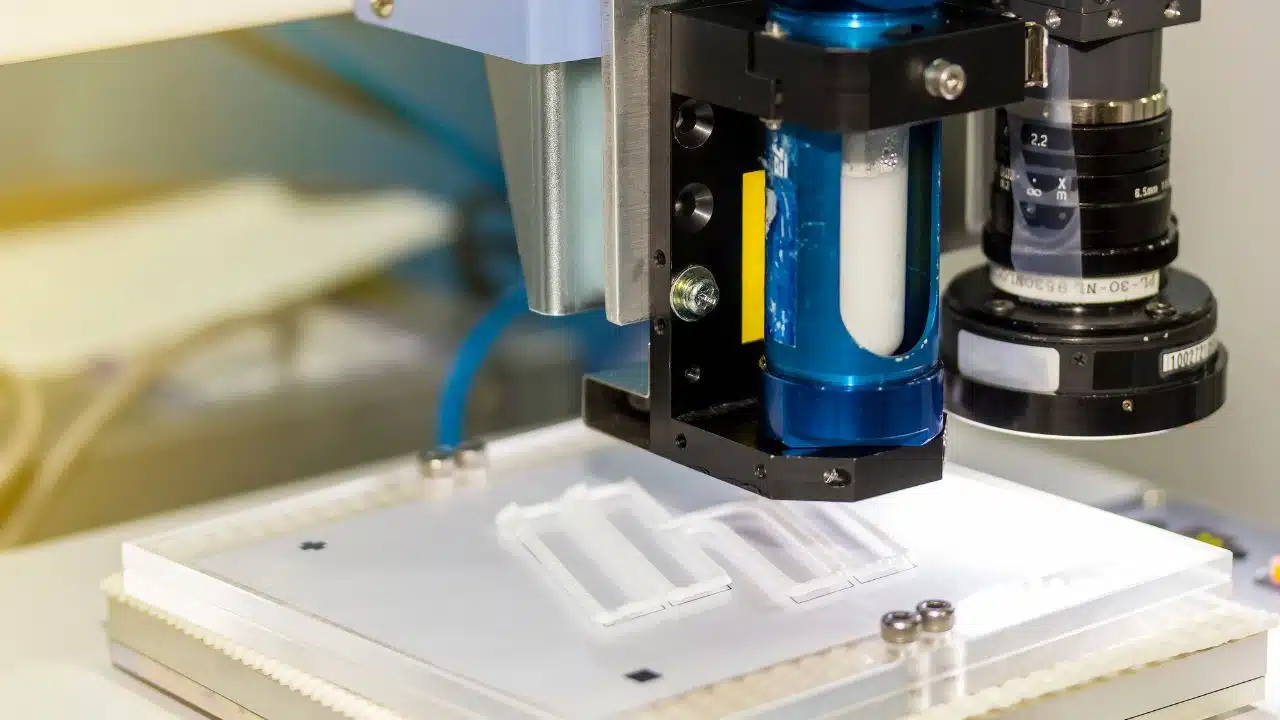
In optical technology, the precision with which components are aligned dictates the success and functionality of the entire system. Optical system alignment, a critical yet often underappreciated process, serves as the backbone for a multitude of technologies that influence daily lives and propel scientific advancements.
With that in mind, this guide will explore the fundamentals of optical alignment, providing insights into its definition, techniques, and applications that sustain optimal performance.
What Is Optical System Alignment?
Optical system alignment refers to the meticulous process of arranging and calibrating the components within an optical system—such as lenses, mirrors, and light sources—so that light travels through the system in the intended manner. This precise arrangement is crucial for optimizing the system’s performance, ensuring that light paths are correctly directed, and that images or outputs are sharp, accurate, and free of distortions.
Techniques In Optical Alignment
The employment of various techniques, complemented by instruments, such as OPG alignment tools, guarantees the precise positioning and orientation of all optical elements within a system, ensuring they operate at their best performance level. Here’s an overview of some fundamental and advanced techniques used in optical alignment:
Manual Alignment Techniques
- Visual Inspection And Adjustment: This basic method involves manually adjusting and aligning optical components while visually inspecting the alignment through either the naked eye or using simple aids like alignment telescopes. It requires a high degree of skill and experience but is often used for simple setups or initial rough alignment.
- Use Of Autocollimators: Autocollimators are precision instruments used to measure angular deviations. They are widely used for aligning optical components by reflecting a light beam into the instrument and analyzing the returned image. This method is beneficial for aligning mirrors and lenses with high precision.
- Laser Alignment Systems: Lasers provide a straight, narrow beam that can be used as a reference line for alignment. Laser alignment systems are used for aligning components over long distances or within complex systems, such as in the alignment of fiber optic networks or the components within large telescopes.
Automated Alignment Techniques
- Computer-Controlled Alignment: With advancements in technology, many optical systems are now aligned using computer-controlled mechanisms. Software algorithms can automatically adjust the position and orientation of optical components based on feedback from sensors, achieving precise alignment much faster than manual methods.
- Machine Vision And Image Processing: This technique involves using cameras and image processing software to analyze the alignment of optical components. The system can automatically adjust the components based on the analysis, ensuring optimal alignment. This method is especially useful in manufacturing and quality control processes.
- Adaptive Optics: Used primarily in astronomical telescopes, adaptive optics systems continuously adjust the alignment of optical elements in real-time to compensate for atmospheric distortion. This technique involves measuring the distortion using a reference star or a laser guide star and then adjusting the shape of a mirror to correct for the distortion, significantly improving image quality.
Practical Applications Of Optical System Alignment
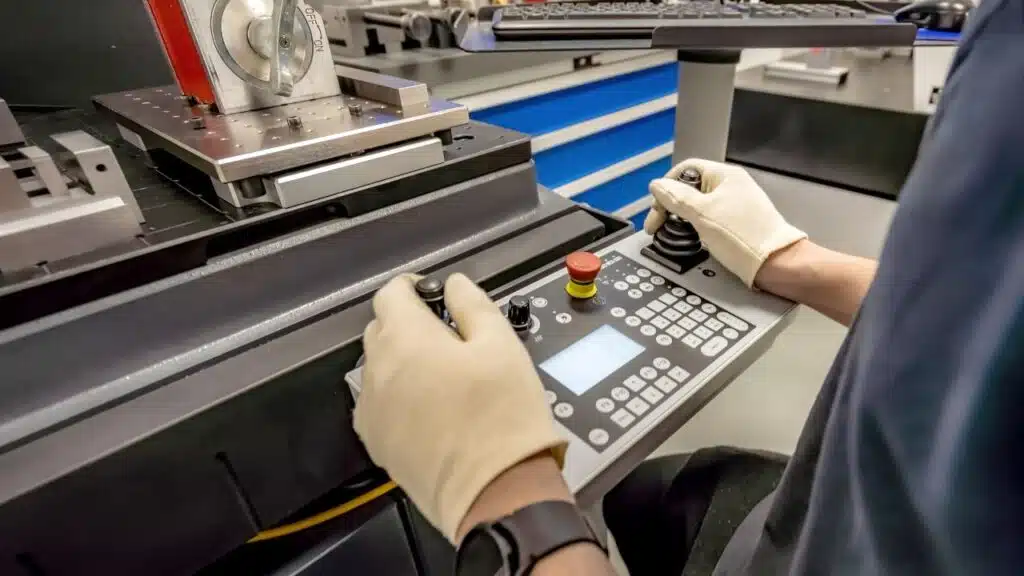
Optical system alignment plays a crucial role across a broad spectrum of industries, scientific research, and everyday technologies. Below are some of the practical applications of optical system alignment, illustrating its importance.
In Industry
-
Manufacturing And Quality Control
Precision alignment is essential in manufacturing processes that utilize lasers for cutting, welding, and engraving. Proper alignment offers accuracy, improves efficiency, and reduces waste by ensuring that laser beams are directed precisely at the intended targets. In quality control, meticulously aligned optical inspection systems allow for the detection of defects and deviations in products, maintaining high standards.
-
Semiconductor Fabrication
The production of semiconductor devices involves photolithography, a process that requires the precise alignment of masks and silicon wafers to pattern the circuits on microchips. Even the slightest misalignment can lead to defective chips, highlighting the critical role of optical alignment in the semiconductor industry.
In Science And Research
-
Telescopes
Astronomical research relies heavily on telescopes equipped with advanced optical systems. Proper alignment of mirrors, lenses, and detectors in these telescopes is crucial for capturing clear, accurate images of celestial bodies. Adaptive optics systems are used to continuously realign the optical elements to compensate for atmospheric distortion, enhancing image quality.
-
Microscopy
In biotechnology and materials science, microscopes are indispensable tools. The alignment of optical elements within microscopes determines the clarity, resolution, and magnification of the images obtained, which is vital for observing fine details of specimens, from cells to nanomaterials.
In Everyday Technology
-
Optical Devices In Consumer Electronics
Cameras, projectors, and optical sensors in smartphones and other devices rely on precisely aligned lenses and sensors to function correctly. Proper alignment affects focus, image quality, and the efficiency of these devices, directly impacting user experience.
-
Fiber Optic Communications
The backbone of modern telecommunications is fiber optic cables, which transmit data as light pulses. Aligning the fiber optic connectors and splices accurately is essential for minimizing signal loss and ensuring high-speed, reliable communication over long distances.
Advanced Applications
-
Laser Eye Surgery
In medical applications, such as laser eye surgery, precise alignment of laser beams is crucial for the accuracy and safety of the procedure. Misalignment can lead to incorrect modifications to the cornea, emphasizing the importance of alignment in medical optical systems.
-
Optical Coherence Tomography (OCT)
This non-invasive imaging technique, used in medical diagnostics, relies on the alignment of optical components to generate detailed cross-sectional images of tissues. It’s instrumental in ophthalmology for imaging the retina, requiring precise alignment for accurate diagnostics.
Conclusion
Optical system alignment, with its blend of science and technology, exemplifies the remarkable ability to manipulate light with precision, opening a world of possibilities for exploration, innovation, and discovery. As technology evolves, so will the techniques and tools for optical alignment, ensuring that this field remains at the forefront of scientific and technological advancement.
























