

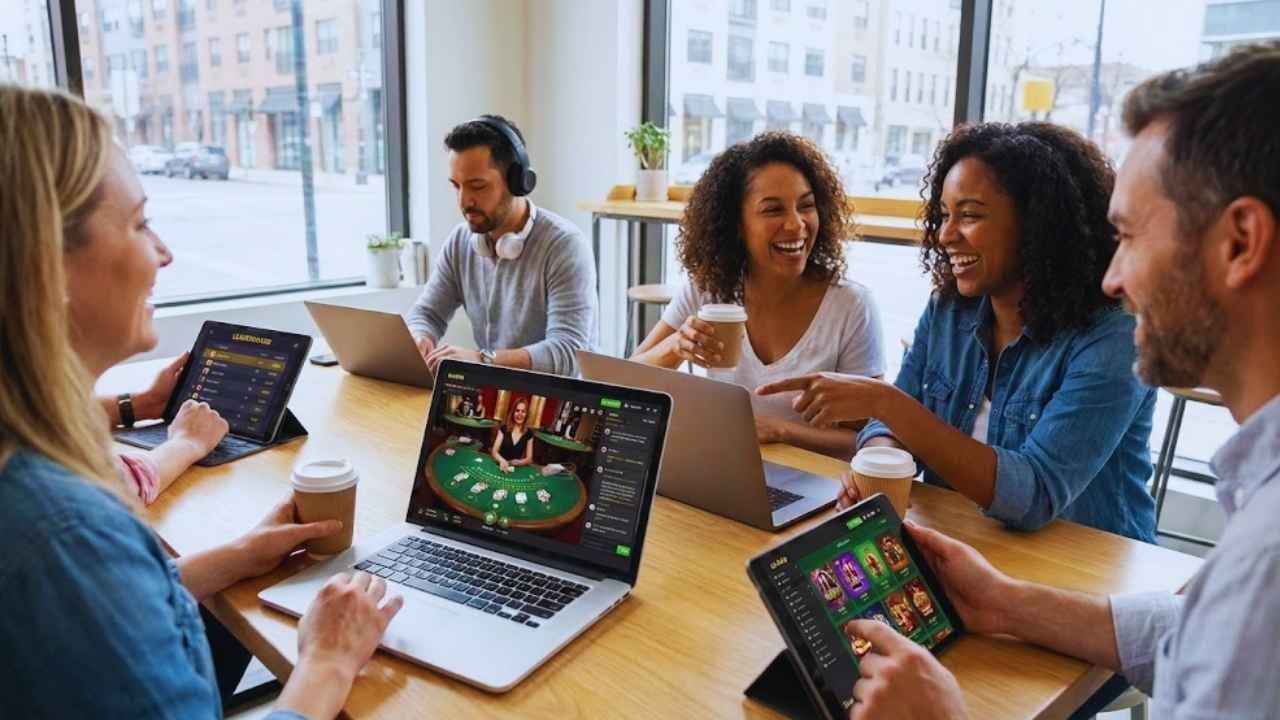
Online gambling is no longer a solo activity. As digital spaces evolve, platforms are transforming how people interact, compete, and connect. What was once a private pastime has steadily shifted into a shared, social phenomenon. This trend is gaining momentum across the globe, fueled by technology, community-building features, and the cultural normalization of online entertainment.
The Rise of Community Features in Gambling Platforms
Many modern online casinos and betting sites have evolved from static interfaces to interactive hubs. Today, users can join chat rooms, compete on leaderboards, and participate in real-time tournaments. These features aren’t just extras; they’re core to the experience. Players seek connection, whether it’s through cheering others on, competing against friends, or joining live dealer tables that mimic in-person environments.
These additions make the digital casino floor feel more alive. Interaction gives players a sense of presence, even when gambling alone at home. Especially during global lockdowns and periods of social isolation, these virtual spaces helped replace physical ones.
Live Dealers and Real-Time Interaction
The introduction of live dealers is a standout innovation in this space. Players can now interact with professional hosts in real time while enjoying traditional games like blackjack or roulette. This hybrid setup blends streaming technology with the familiar layout of online casino interfaces.
Unlike older formats, where outcomes were driven entirely by algorithms, live dealer experiences add a layer of trust and realism. The human element fosters a sense of camaraderie and makes each session feel unique.
Gamification and Group Engagement
Another key factor in online gambling’s social turn is gamification. Many platforms now include challenges, seasonal events, and achievement badges. These encourage longer participation and reward players not just for winning, but for interacting.
Leaderboards, loyalty programs, and team competitions turn solitary games into shared missions. Instead of playing quietly, users now check how they rank against friends or fellow members. It’s similar to fitness apps where stats, goals, and peer competition help keep users engaged.
Even bingo, once considered a simple game for casual users, has been revitalized online through lively chatrooms and themed events. Gambling platforms are learning from social networks, and in some ways, becoming them.
Cultural Shifts and Social Acceptance
Cultural attitudes toward gambling are shifting. What was once whispered about is now discussed more openly, especially among audiences familiar with online gaming, streaming, and influencer-led entertainment.
Popular streamers on platforms like Twitch or Kick have normalized gambling by broadcasting their gaming sessions to thousands of viewers. While this trend is not without its critics, it has helped redefine gambling from a vice to a spectacle.
When users see their favorite personalities playing poker or spinning slots live, it feels less taboo and more like another form of entertainment. As a result, many viewers join in, not just to bet, but to be part of the experience.
A Finnish Example: Popularity and Regulation
One country where this social aspect is particularly noticeable is Finland. Online gambling has long been regulated there, but the popularity of private, international platforms has grown rapidly. Finnish players are increasingly turning to independent sites for their rich features, quick transactions, and community elements.
A good example is the interest in pikakasinot, which are platforms that allow instant play without the usual registration steps. This simplified access appeals to tech-savvy users who value speed, privacy, and ease, but it also fits well with social behaviors. These platforms often offer live chats, multiplayer formats, and engaging UIs that contribute to a shared experience, despite their lean setup.
The rise of such platforms in Finland reflects a broader trend: people want gambling that feels interactive, immersive, and communal. That doesn’t mean everyone is talking or engaging constantly, but the option is there, and it’s being used.
Risks of the Social Layer
It’s important to acknowledge that the social side of online gambling isn’t without risks. Community features, peer comparisons, and real-time engagement can also intensify behaviors. The excitement of social gambling might blur the line between entertainment and excess for some users.
That’s why responsible gambling tools, like deposit limits, time trackers, and player support systems, must evolve alongside these social features. The same mechanisms that build engagement can also support balance if designed with user well-being in mind.
The Future: From Isolation to Connection
As technology continues to blur the lines between digital and real-world interaction, it’s likely that the social components of gambling will only grow. Virtual reality casinos, avatar-based lounges, and voice chat capabilities are just the beginning. We’re moving toward a future where gambling is less about solitude and more about shared experience.
Whether that’s a good or bad thing depends on how the industry and its users adapt. The tools are powerful, but so is the responsibility that comes with them.





















