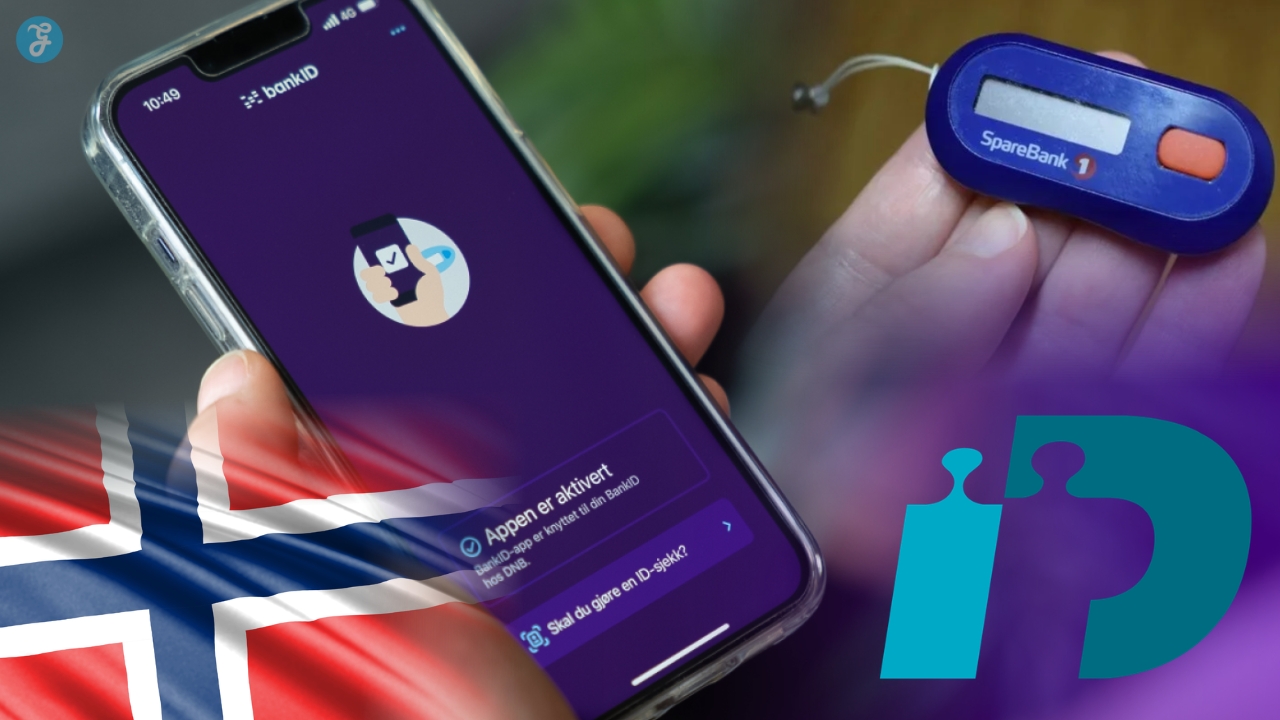
Norway’s digital landscape is defined by a level of integration that few other nations can match. At the heart of this ecosystem lies a single tool that has transformed from a simple banking login into the fundamental digital backbone of the country. While almost every resident interacts with the system daily, the technical and structural intricacies behind it often remain hidden from the average user.
How We Selected Our 10 Best Facts About Norway’s BankID System 2026
To identify the most significant yet obscure facts about the system in 2026, we analyzed recent corporate demergers and the latest technical shifts toward biometric liveness. Our selection focuses on facts that distinguish the Norwegian model from other European digital identities. We prioritized information that highlights the unique role this infrastructure plays in both the private and public sectors.
The following criteria were used to evaluate each technical and operational fact:
-
Regulatory Impact: We assessed how the system is viewed by international bodies under the EU eIDAS framework.
-
Technological Innovation: We looked for shifts in authentication methods like the move from SIM cards to biometric verification.
-
Social Utility: We analyzed use cases in daily Norwegian life that go beyond traditional banking.
-
Governance: We examined the specific corporate entities that control and maintain the national data.
The following list explores the technical and operational secrets of the infrastructure that processes nearly a billion transactions every year. These insights provide a clearer picture of how trust and security are maintained in a digital-first society.
1. The Strategic Shift to Stø AS Governance
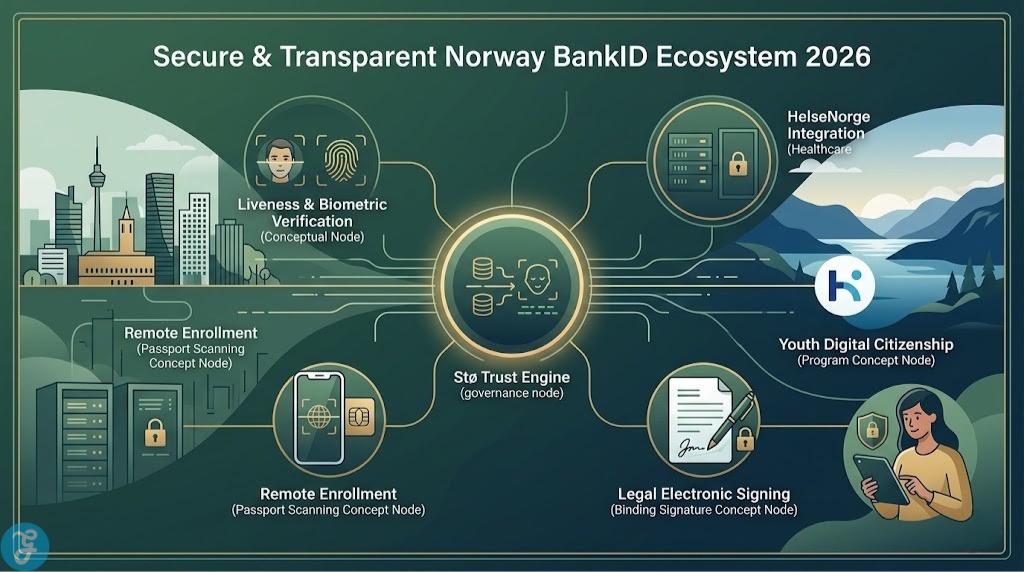
Many users still associate the system with the banks directly, but the governance has moved to a dedicated trust provider. As of 2025, the corporate entity managing the infrastructure was officially rebranded to Stø AS. This name change followed a major demerger and was designed to position the company as a broader security provider for the Nordic region.
Best Feature/For:
-
Professional governance and a clear focus on Trust as a Service (TaaS) for the Nordic market.
Why We Chose It:
-
It marks a significant transition in the identity of the organization managing sensitive national data.
-
The rebranding reflects a desire to move beyond banking into broader digital security infrastructure.
-
It clarifies who is legally responsible for the maintenance of the national identity backbone.
Things to consider:
-
While the company name is Stø AS, the consumer-facing product remains branded as BankID for continuity.
2. The Final Retirement of SIM-Based Mobil Authentication
For years, the SIM-based Mobil version was a popular choice for quick logins on the go. By 2026, this legacy technology has been almost entirely phased out in favor of the specialized app. This transition was driven by the inherent security limitations of SIM cards and the need for more complex authentication methods that mobile networks could not support.
Best Feature/For:
-
Enhanced security for modern users who require faster and more reliable login experiences.
Why We Chose It:
-
It represents a major technological pivot from legacy mobile infrastructure to modern app-based security.
-
The app allows for biometric integration that was impossible with the old SIM-based system.
-
It reduces the risk of SIM-swapping attacks which had become a concern for digital security experts.
Things to consider:
-
Users with older devices that do not support the app have had to upgrade to maintain access to essential services.
3. Implementation of Advanced Biometric Liveness Detection
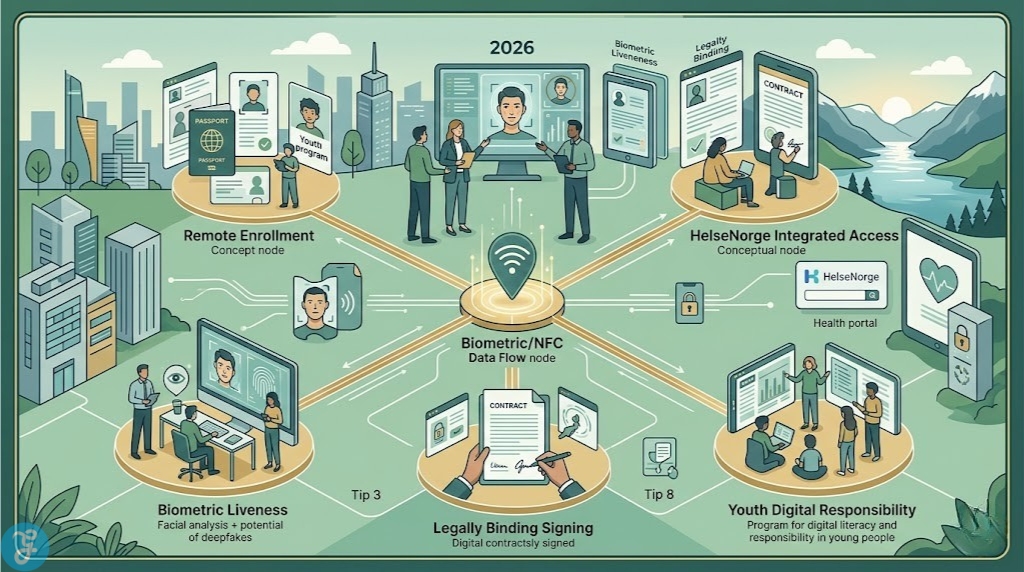
With the rise of generative AI and sophisticated deepfakes, the system has integrated high-level liveness verification. When you authenticate using the app camera, the system is not just looking at a static image of your face. It looks for subtle movements and light reflections that prove you are a physical person and not a high-resolution digital copy.
Best Feature/For:
-
Preventing identity theft and protecting users against sophisticated AI-driven fraud attempts.
Why We Chose It:
-
It is a direct response to the most modern threats in the digital identity landscape.
-
It utilizes world-leading technology to ensure that authentication is tied to a living human being.
-
The system can detect even high-quality deepfakes that would bypass older facial recognition tools.
Things to consider:
-
This requires users to grant the app camera permissions which some privacy-conscious individuals may find intrusive.
4. Achieving the Highest Level of Assurance Under eIDAS
The Norwegian system is officially recognized by the European Commission with a Level of Assurance known as High. This is the highest possible security rating within the EU regulatory framework. This status means that government portals in other European countries must technically accept the Norwegian credentials for certain cross-border services.
Best Feature/For:
-
Norwegians living abroad who need to access public services in other EU or EEA countries.
Why We Chose It:
-
It places the system on equal footing with government-issued electronic IDs across Europe.
-
It facilitates the legal passporting of digital identities for international business and law.
-
The High rating reflects the rigorous technical standards maintained by the Norwegian providers.
Things to consider:
-
While legally required, the technical implementation in some other countries can still lag behind Norwegian standards.
5. Remote Enrollment via NFC Passport Scanning
The process of getting a new digital ID has been revolutionized through the use of smartphone technology. By 2026, users can issue their own High-level credentials entirely through the app by using the NFC chip in their passport. By holding the phone to the document, the app verifies the chip authenticity and matches it with a liveness face scan.
Best Feature/For:
-
New residents and those renewing their IDs without the need to visit a physical bank branch.
Why We Chose It:
-
It effectively digitizes the face-to-face verification requirement of modern anti-money laundering laws.
-
It significantly speeds up the onboarding process for the millions of users in the system.
-
The method uses the same encrypted data that border control agencies use to verify travel documents.
Things to consider:
-
You must have a passport or national ID card with a working NFC chip for this feature to function.
6. Private Sector Infrastructure Acting as a Public Utility
Unlike many national identities that are run directly by the state, this system was developed by a collaboration of private banks. It remains a private-sector product owned by Stø AS, even though it is the de facto requirement for accessing all public services. This includes everything from the tax office to the national health portal.
Best Feature/For:
-
Understanding the unique Norwegian model of high-trust public-private partnership.
Why We Chose It:
-
It is a rare example of a private solution becoming so essential that it functions like a state document.
-
It highlights the high level of trust that the Norwegian public places in their financial institutions.
-
The system operates with banking-grade security while serving the entire civilian population.
Things to consider:
-
This can create a bottleneck for those who cannot easily get a bank account such as some temporary residents.
7. Legal Equivalence to a Physical Handwritten Signature
The system is not just for logging into accounts; its digital signature is legally equivalent to a physical signature on paper. In 2026, it is the standard method for executing major life events such as signing divorce settlements or property deeds. This has virtually eliminated the need for paper-based bureaucracy in Norwegian legal proceedings.
Best Feature/For:
-
Executing high-value transactions and legal contracts without the need for a physical notary.
Why We Chose It:
-
It showcases the extreme legal weight and trust given to this digital tool in Norway.
-
It allows for the instantaneous execution of complex contracts across different geographical locations.
-
The digital signature is much harder to forge than a traditional pen-and-paper signature.
Things to consider:
-
Because it is so powerful, the theft of these credentials is treated as a major crime with severe penalties.
8. Managing Family Health via HelseNorge Integration
The system provides parents with a secure way to manage the medical data of their children. Through the HelseNorge portal, parents use their login to view prescriptions and doctor’s notes for their children under the age of 12. This provides a level of transparency and ease of care that is rarely seen in other healthcare systems.
Best Feature/For:
-
Parents managing family health who need secure and immediate access to sensitive medical records.
Why We Chose It:
-
It demonstrates the deep integration between digital identity and the public health system.
-
It handles the complex task of delegated access where one person acts on behalf of another.
-
The system ensures that only authorized guardians can access these sensitive medical data streams.
Things to consider:
-
Access rights change automatically as the child reaches certain ages to protect the privacy of the minor.
9. The Dedicated Program for Youth Digital Citizenship
While the system is often associated with adults, there is a dedicated version for those aged between 12 and 17. It allows teenagers to have a limited version of the digital ID for school-related portals and personal banking. This introduces the next generation to digital citizenship early but keeps them within a safe and supervised environment.
Best Feature/For:
-
Teaching teenagers digital responsibility and preparing them for adult financial life.
Why We Chose It:
-
It is a core part of the Norwegian philosophy of educating citizens for a digital-first world.
-
It ensures that young people are fully onboarded into the national infrastructure before adulthood.
-
The youth version includes specific safeguards that are managed by the parents or guardians.
Things to consider:
-
Parents must provide explicit consent for the issuance of a youth ID and can monitor its usage.
10. Transaction Scalability and High Volume Reliability
Despite Norway having a relatively small population, the system is built for massive scale. In 2025, it processed over 900 million transactions which is an average of more than 160 uses per resident. This high frequency of use across every sector of society makes it one of the most active identity systems in the world.
Best Feature/For:
-
Visualizing the sheer scale and reliability of digital integration in a modern developed nation.
Why We Chose It:
-
The ratio of digital transactions to the total population is among the highest globally.
-
It proves that the system is a daily life utility rather than just an occasional banking tool.
-
The infrastructure has proven its ability to handle immense loads during peak periods like tax season.
Things to consider:
-
This high volume makes the system a constant target for fraud, which necessitates the continuous security updates.
An Overview Of 10 Norway’s BankID System 2026
The dominance of this system is best understood when comparing it to the other available authentication methods in the Norwegian ecosystem. While other government-run tools exist, this private sector solution remains the only one that provides the highest level of security required for every sensitive task.
The following data summarizes how the primary authentication tools in Norway differ in 2026.
| Feature | BankID (App/Code) | MinID | Buypass / Commfides |
| Security Level | High (Level 4) | Substantial (Level 3) | High (Level 4) |
| Issuer | Stø AS (Private) | Digdir (Government) | Private Companies |
| Legal Signing | Yes (Binding) | No | Yes |
| Primary Use | Universal Access | Public Services Only | Professional/Niche |
| User Base | ~4.7 Million | Broad Public | Specialized Sectors |
Our Top 3 Picks and Why?
While all ten facts are important, these three represent the core pillars that ensure the system remains the global leader in digital identity.
-
Biometric Liveness Detection: This technical update is the most critical defense against the modern threat of AI-generated deepfakes.
-
Legal Signing Equivalence: The ability to execute binding contracts digitally is what truly moves Norway away from paper-based bureaucracy.
-
The Stø AS Rebranding: This shift in governance signals that the system is ready to expand as a regional trust provider beyond Norwegian borders.
Securing the Future of Digital Trust in the Nordics
The success of the Norwegian model is built on a foundation of extreme technical rigor and a high level of social trust. By 2026, the system will have successfully navigated the challenges of AI-driven fraud and the retirement of legacy mobile technologies. As it continues to evolve under the leadership of Stø AS, it remains the gold standard for how a private-sector innovation can become a vital public utility. For the average resident, it is not just a way to log into a bank; it is the key to participating in a modern and efficient society.
Frequently Asked Questions (FAQs) About Norway’s BankID System 2026
Can foreigners get a BankID in Norway?
Answer: Yes, but you must first have a Norwegian national identity number and a verified bank account. Some banks may issue a limited version to those with a temporary D-number, though this depends on the specific bank policies.
What happens if I lose the phone that has my app?
Answer: You should immediately contact your bank to deactivate the app on that specific device. You can then reactivate the system on a new phone using your physical code-chip or the NFC passport scanning feature.
Is BankID the same thing as the Vipps app?
Answer: No. Vipps is a mobile payment application while the other is the identity system used to log into Vipps and verify your identity. The two entities were once the same company but they demerged in 2022.
Does the system work if I am traveling outside of Norway?
Answer: Yes, you can use the app anywhere in the world as long as you have a stable internet connection. Under the EU eIDAS regulation, it is also increasingly accepted by various European government portals.
Why was the old Mobil version based on SIM cards discontinued?
Answer: The legacy SIM technology was too slow and lacked the necessary support for modern biometric security. The app provides a much more secure and flexible platform that can adapt to new digital threats like deepfakes.