

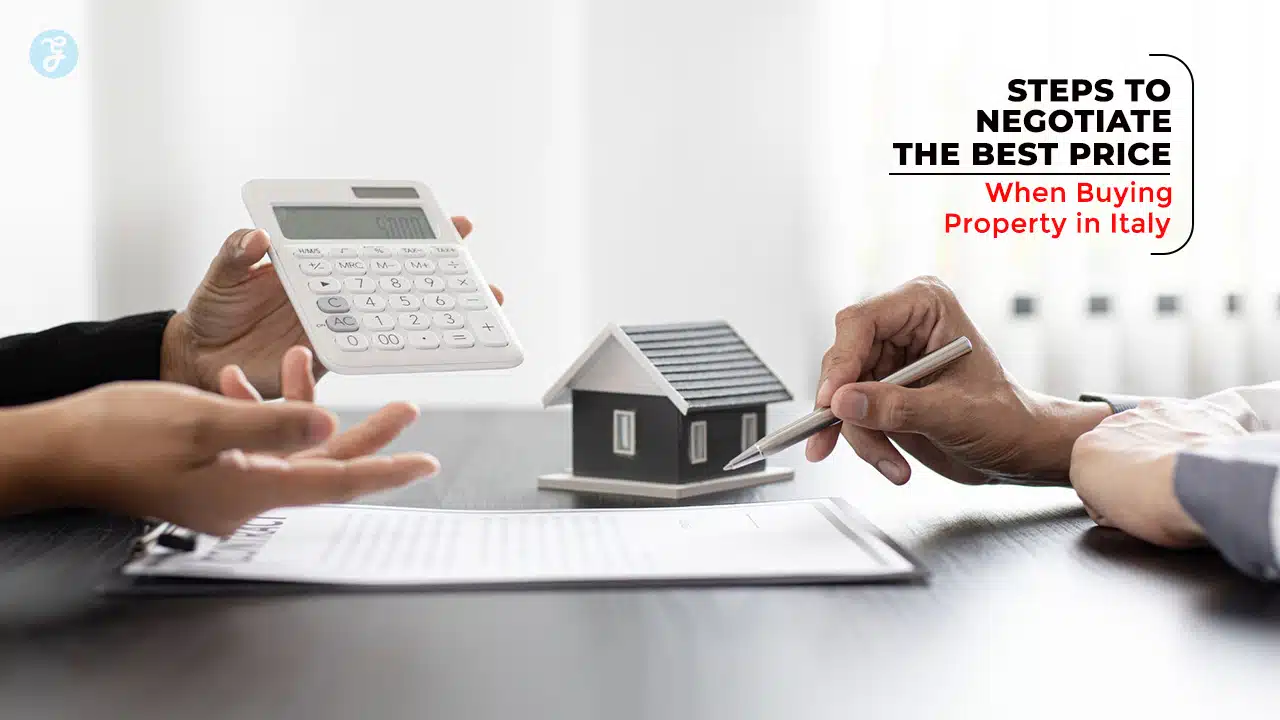
Property buyers can find a variety of properties in Italy, ranging from picturesque countryside villas to modern city apartments. However, buying property in Italy requires more than just finding the perfect home—it’s about negotiating the best price to ensure value for your investment.
With the Italian real estate market showing signs of stability and growth, as highlighted by recent trends, learning how to negotiate the best price when buying property in Italy can save you thousands of euros and make the process smoother.
In this article, we’ll walk you through 8 essential steps to negotiate the best price when buying property in Italy, helping you navigate the market with confidence and expertise.
How to Negotiate the Best Price When Buying Property in Italy
Negotiating effectively requires preparation, strategy, and understanding of the local market. By following these steps, you’ll be equipped to secure a fair deal on your dream Italian property.
1. Research the Italian Real Estate Market
Understanding the local real estate market is crucial before entering negotiations. Italy’s property prices vary significantly depending on location, property type, and market conditions. Knowing these details will give you a solid foundation for negotiation.
Key Market Insights:
- Regional Variations: Properties in cities like Milan and Rome are more expensive than those in rural areas like Calabria or Abruzzo.
- Market Trends: The Italian real estate market saw a 1.2% increase in transactions in Q2 2024, with smaller towns driving growth (+1.6%) compared to provincial capitals (+0.2%).
- Energy Efficiency Demand: Properties with high energy ratings are increasingly sought after due to European regulations.
| Region | Average Price per Square Meter | Key Features |
| Tuscany | €2,500–€4,000 | Popular for villas and countryside. |
| Sicily | €1,000–€2,500 | Affordable coastal properties. |
| Rome | €3,500–€6,000 | Urban properties with high demand. |
Knowing these trends will help you assess whether a property is fairly priced and where there’s room for negotiation.
2. Set a Realistic Budget
Setting a clear budget is essential for staying focused during negotiations. In addition to the property price, consider additional costs associated with buying property in Italy.
Additional Costs to Consider:
- Taxes: Registration tax (2%–9% of property value) or VAT.
- Legal Fees: Hiring a notary (mandatory in Italy) typically costs €2,000–€5,000.
- Agent Fees: Real estate agents charge 3%–5% of the purchase price plus VAT.
- Renovation Costs: Many older properties may require updates.
Example Table: Estimated Additional Costs
| Expense Type | Percentage/Amount |
| Registration Tax | 2%–9% of property value |
| Notary Fees | €2,000–€5,000 |
| Real Estate Agent Fees | 3%–5% of purchase price + VAT |
By factoring these expenses into your budget, you’ll be better prepared to negotiate confidently without exceeding your financial limits.
3. Work with a Local Real Estate Agent
Hiring a local real estate agent can provide invaluable insights into pricing trends and access to off-market listings. Agents can also help navigate language barriers and legal complexities unique to Italy.
Benefits of Working with an Agent:
- Access to exclusive properties not listed online.
- Expertise in local pricing trends and negotiation tactics.
- Assistance with legal processes and paperwork.
Tip: Choose agents registered with FIAIP (Italian Federation of Professional Real Estate Agents) for credibility and professionalism.
4. Understand Seller Motivation

Understanding why the seller is selling can give you an edge during negotiations. Motivated sellers are often more willing to lower their asking price.
How to Gauge Seller Motivation:
- Ask why they’re selling (e.g., financial reasons or relocation).
- Research how long the property has been on the market—longer listings often indicate flexibility on price.
For example: if a property has been listed for several months without offers, this could be an opportunity to negotiate the best price when buying property in Italy.
5. Conduct a Property Inspection
A thorough inspection is essential before making an offer. Identifying potential issues can justify a lower offer or lead to seller concessions.
Key Areas to Evaluate:
| Area | What to Check |
| Structure | Cracks in walls, foundation stability. |
| Utilities | Functional plumbing and electrical systems. |
| Renovation Needs | Roof condition, kitchen/bathroom updates. |
If significant repairs are needed, use this as leverage during negotiations by requesting discounts or asking the seller to cover renovation costs.
6. Start with a Reasonable Offer
Your initial offer sets the tone for negotiations. While it’s important to aim for savings, starting with an unreasonably low offer can alienate sellers.
Tips for Crafting Your Initial Offer:
- Base it on market research and property condition.
- Offer slightly below your maximum budget to leave room for negotiation.
- Justify your offer by pointing out necessary repairs or comparing similar properties.
For example: “Based on similar properties in this area and considering renovation work needed, I’d like to offer €250,000.”
7. Be Prepared to Walk Away
One of the most effective negotiation strategies is being willing to walk away if terms don’t align with your budget or expectations. Having alternative properties lined up gives you leverage and prevents emotional decision-making.
How to Maintain Flexibility:
- Identify multiple properties that meet your criteria.
- Set a maximum price limit and stick to it.
Being prepared to walk away shows confidence and may prompt sellers to reconsider their stance.
8. Finalize with Legal Assistance
Navigating Italy’s legal system can be complex for foreign buyers. Hiring an Italian lawyer (avvocato) ensures that all contracts are reviewed thoroughly and comply with local laws.
Key Responsibilities of Your Lawyer:
| Task | Why It’s Important |
| Contract Review | Prevents unfavorable terms or hidden costs. |
| Title Verification | Ensures seller has legal ownership of the property. |
| Compliance Check | Confirms adherence to Italian property laws. |
A lawyer will also verify that there are no outstanding debts or liens on the property before finalizing the purchase agreement.
Takeaway
Buying property in Italy is an exciting journey that requires careful planning and effective negotiation skills. By following these eight steps, you’ll be well-prepared to navigate the real estate market confidently and secure your dream home at a fair price.
By mastering these strategies, you’ll be able to confidently negotiate the best price when buying property in Italy while avoiding common pitfalls along the way!

























