Dealing with an insurance company after an accident can feel overwhelming. You might have medical bills piling up, lost wages hurting your wallet, and questions about how to settle things fairly.
Hiring a personal injury attorney sounds helpful, but legal fees may not fit into your budget.
The good news is you don’t always need a lawyer to handle a settlement. Many people successfully negotiate on their own by following smart steps. This blog will guide you through the process—from gathering evidence to writing a solid demand letter—all while saving time and money.
Stay tuned!
Key Takeaways
- Gather evidence like photos, police reports, medical bills, and witness statements. These prove your claim and help during negotiation.
- Calculate damages carefully, including medical costs, lost wages, property damage, and pain and suffering. Use proof to support amounts.
- Write a clear demand letter with details about the accident, injuries, treatment costs, and requested compensation. Stay organized with headings and bullet points.
- Be patient during negotiations; don’t accept low first offers from insurance companies. Stand firm using facts like documents or receipts to back your case.
- Before signing any settlement agreement, review all terms carefully to ensure fair coverage for damages like future expenses or pain and suffering claims.
When to Consider Self-Representation
Think about handling the case yourself if your injuries are minor or straightforward. Make sure you understand who was at fault before moving forward.
Assessing the Severity of Your Injuries
Minor injuries, like small cuts or bruises, may not need much legal action. Serious injuries, such as broken bones or permanent disability, often require a higher settlement. Pain and suffering also play a big role in personal injury claims.
Look at your medical treatment records and bills. If future medical expenses are likely, include those too. Physical therapy costs can add up fast after major accidents like a car accident.
Determine whether the injury limits your ability to work or enjoy life fully.
Determining Fault in the Case
Fault decides who pays. In Indiana, modified comparative negligence laws apply (Indiana Civil Law and Procedure § 34-51-2-6). You can’t recover damages if you’re 50% or more at fault.
If you share less fault, your payout drops by the percentage of blame.
Clear proof helps a lot. Use police reports and witness statements to show who caused the accident. They strengthen claims against insurance companies or an at-fault party. Disputed faults make cases harder but not impossible with strong evidence.
Important Steps Before Negotiation

Preparation is key before you start talks. Strong evidence and clear numbers can set the stage for a better outcome.
Gather Evidence and Necessary Documentation
To get a fair settlement, good evidence is key. Collect everything that supports your claim.
- Take photos of injuries and damaged property right away. Use clear angles, so nothing gets missed.
- Ask for a police report. This helps prove what happened and who is at fault.
- Save medical bills and treatment records. These show the cost of your recovery.
- Write down names and contact details of witnesses. Their statements can support your case.
- Keep receipts for expenses like physical therapy or repairs. These prove extra costs caused by the accident.
- Record lost wages if you couldn’t work because of your injury. Include pay stubs or employer letters as proof.
- Gather communication with the insurance company in one file. This keeps things organized during talks.
- Make copies of every document before sharing them with anyone, just in case something gets lost.
Every bit counts when proving your claim!
Calculate Your Damages Accurately
It’s vital to know the full value of your claim. Nail down every cost tied to your injury and situation.
- Add up medical bills, including past and future treatment costs. Factor in hospital stays, physical therapy, prescriptions, and any required surgeries.
- Count lost wages from days you couldn’t work. If your injury affects future earnings, estimate loss of earning capacity too.
- Assess property damage if it applies. Use repair receipts or estimates to include damages like fixing a car after an accident.
- Figure out non-economic damages such as pain, suffering, and emotional distress. These are harder to measure but essential.
- Use the multiplier method for non-economic damages if needed. Multiply economic losses by 1.5 to 5 based on severity.
- Don’t skip special damages like childcare costs or transportation expenses directly caused by your injury.
- Check everything against the statute of limitations in your area to make sure you don’t run out of time for a claim.
- Keep records tidy: police reports, witness statements, photos, and receipts all help support claims for money owed.
- Consider general damages like loss of enjoyment if injuries harm hobbies or daily activities you loved before.
Writing and Sending a Demand Letter
Start with a clear demand letter that explains your case. Be sure to include all critical details, like costs for medical care and property repairs.
Structuring Your Demand Letter
Start with your contact info at the top. Include your name, address, phone number, and email. Below that, add the insurance adjuster’s details and their company’s name.
Write a clear subject line like “Personal Injury Claim for [Accident Date].” Open with a short summary of the accident. Explain who was at fault. Describe your injuries and medical treatment briefly but firmly.
Separate each section with headings so it’s easy to read. Use bullet points for costs like lost wages or medical bills to keep things clear and sharp.
Key Information to Include
List the at-fault party’s responsibility clearly. Explain how their actions caused harm. Outline your injuries and all medical treatment you received, including physical therapy or future medical expenses.
Show economic damages like lost wages, property damage, and medical bills. Include non-economic damages such as pain and suffering or emotional distress. Demand a reasonable amount with proof to support it, like police reports or witness statements.
Negotiation Strategies
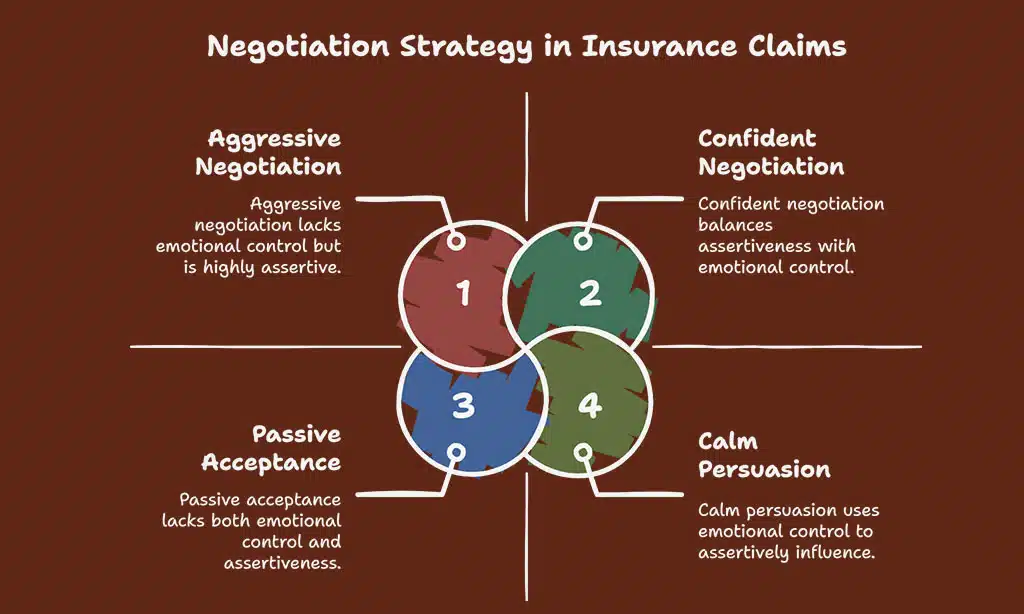
Stay calm, but don’t let the other side push you around. Know your worth and stand firm on what’s fair.
Responding to Counteroffers
Counteroffers from an insurance company often start low. Do not accept the first offer right away. Politely explain why it doesn’t cover your damages, like medical bills or lost wages.
Use facts to back up your reasoning, such as witness statements or police reports.
If their counteroffer is too low, stick to your demand with confidence. Be firm but polite during discussions with the insurance adjuster. Show them how you calculated pain and suffering or future medical expenses.
Keep emotions out of the negotiation and focus on fair compensation for your personal injury claim.
Staying Patient and Firm
Do not rush into accepting the first settlement offer. Insurance companies often start with low figures that do not cover all damages. Push back politely but stand firm on your evidence-based demands.
Provide clear proof, like medical bills, police reports, and witness statements.
Patience pays off in settlement negotiation. Stay calm during multiple rounds of offers and counteroffers. If an insurance adjuster delays or pressures you, stick to facts about economic and non-economic damages like lost wages or pain and suffering.
Persistence can lead to a fair car accident claim payout.
Finalizing the Settlement
Read every detail in the settlement carefully, like you’re solving a puzzle. Keep copies of all signed documents for your records.
Reviewing the Terms of the Agreement
Check every word in the settlement agreement. Confirm all damages, like medical bills and lost wages, are covered. Make sure it includes compensation for pain and suffering or property damage.
Be cautious of hidden clauses that limit future claims.
Read the release form carefully before signing. Signing it means you cannot sue later about this case. Verify every agreed-upon term is listed clearly. Do not rush; take your time to review everything thoroughly!
Ensuring Proper Documentation
Keep copies of all medical records, police reports, and emails with the insurance company. Include signed release forms in your paperwork. These allow parties to exchange needed information.
Write down every expense you’ve had. Medical bills, lost wages, property damage, and even pain and suffering count as damages. Make sure all evidence matches what’s listed in your claim.
Save proof that you received the settlement amount agreed upon. Use it for future reference if disputes arise. Double-check everything before signing any final documents!
Takeaways
Settling without a lawyer takes effort, patience, and planning. Gather proof, know your rights, and stand firm but polite. A strong demand letter can change the game. If things feel overwhelming or stakes are high, hiring a personal injury attorney might be worth it.
Always protect what’s fair!
FAQs
1. What should I do before negotiating a settlement without a lawyer?
Start by gathering important documents like the police report, medical bills, and witness statements. These will strengthen your case when dealing with the insurance company or at-fault party.
2. How can I calculate fair compensation for my personal injury claim?
Use methods like adding up economic damages (medical expenses, lost wages) and estimating non-economic damages such as pain and suffering or emotional distress. The multiplier method is often helpful in these cases.
3. Can I negotiate directly with an insurance adjuster?
Yes, you can talk to the insurance adjuster yourself. Be polite but firm when discussing property damage, future medical expenses, or other losses tied to your car accident claim.
4. What happens if the statute of limitations runs out?
If legal deadlines expire, you lose your right to file a personal injury lawsuit or seek monetary damages from the liable party.
5. Should I accept the first settlement offer from an insurance company?
No! Insurance companies often start low to save money. Review their offer carefully and compare it against your total losses, including serious injuries or loss of enjoyment of life.
6. Do I need legal advice if I’m settling out of court?
While you don’t need a lawyer for every case, seeking free consultations from a personal injury attorney can help clarify complex issues like permanent disability claims or workers’ compensation disputes before signing any agreement with insurers.