

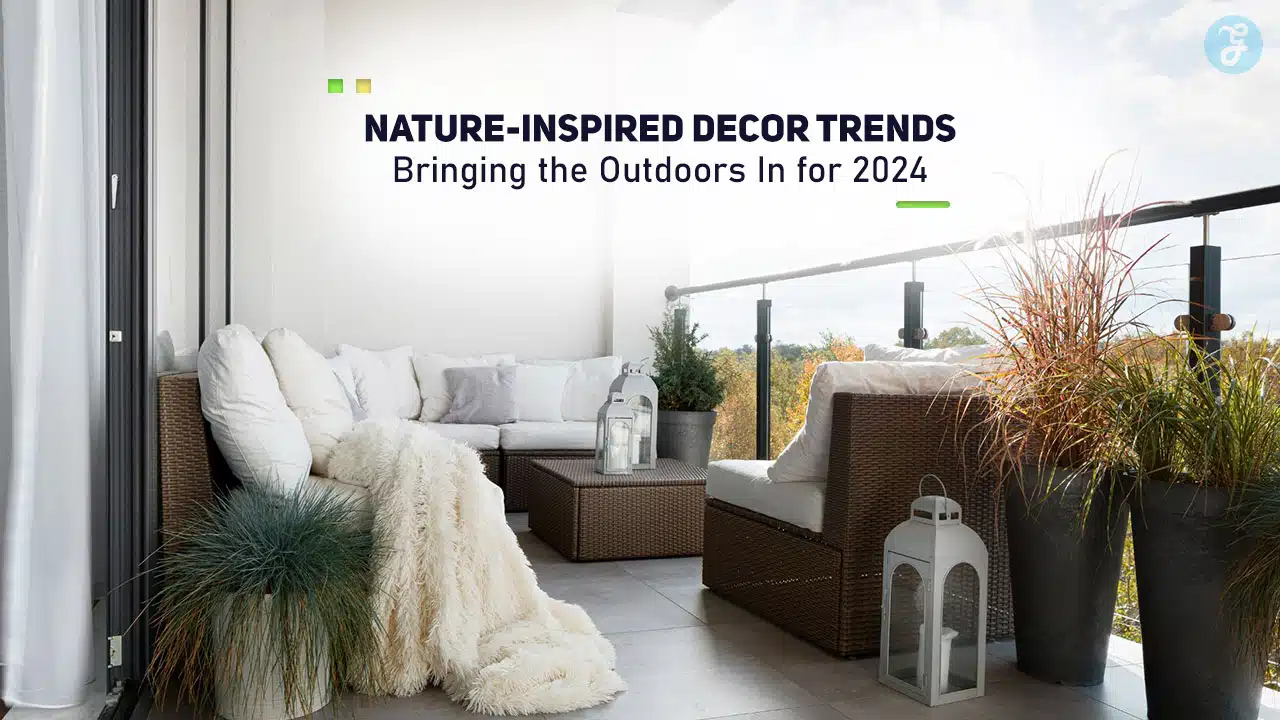
In an era where people are increasingly mindful of their impact on the environment, nature-inspired decor trends are thriving. These trends not only encourage eco-friendliness but also create a calming, grounding atmosphere in the home. As we move into 2025, interior design is shifting towards elements that bring the essence of nature indoors, emphasizing organic materials, earthy colors, and designs that echo the beauty of the outdoors.
This article will explore 10 nature-inspired decor trends that are set to define interiors in 2025, offering a way to transform your home into a serene, nature-infused sanctuary.
Why Nature-Inspired Decor Is So Popular?
Nature-inspired decor trends bring warmth, tranquility, and a sense of balance to our living spaces. In a fast-paced world, incorporating elements from the natural world into our homes allows us to feel grounded and more connected to the environment. From organic textures and natural colors to sustainable materials, these decor choices reflect a growing desire to create mindful, eco-friendly spaces.
Here are 10 ways to bring the outdoors in with the latest nature-inspired decor trends for 2025.
1. Earthy Color Palettes
Earthy tones like warm browns, muted greens, and sandy beiges evoke the natural world, creating a peaceful and inviting atmosphere in any room. These colors bring a sense of warmth, grounding energy, and timelessness, making them an ideal foundation for nature-inspired decor.
Ways to Incorporate Earthy Color Palettes
- Natural Hues on Walls: Paint walls in shades like terracotta, sage green, or soft taupe to create a cozy, natural backdrop.
- Neutral Furnishings: Opt for furniture in earth tones such as caramel leather, wooden finishes, or stone-inspired grays.
- Accents and Textiles: Bring in pillows, throws, and rugs in colors that echo nature, like burnt orange, moss green, and clay.
This palette not only offers a relaxing ambiance but also works harmoniously with a wide range of other nature-inspired decor elements.
2. Biophilic Design
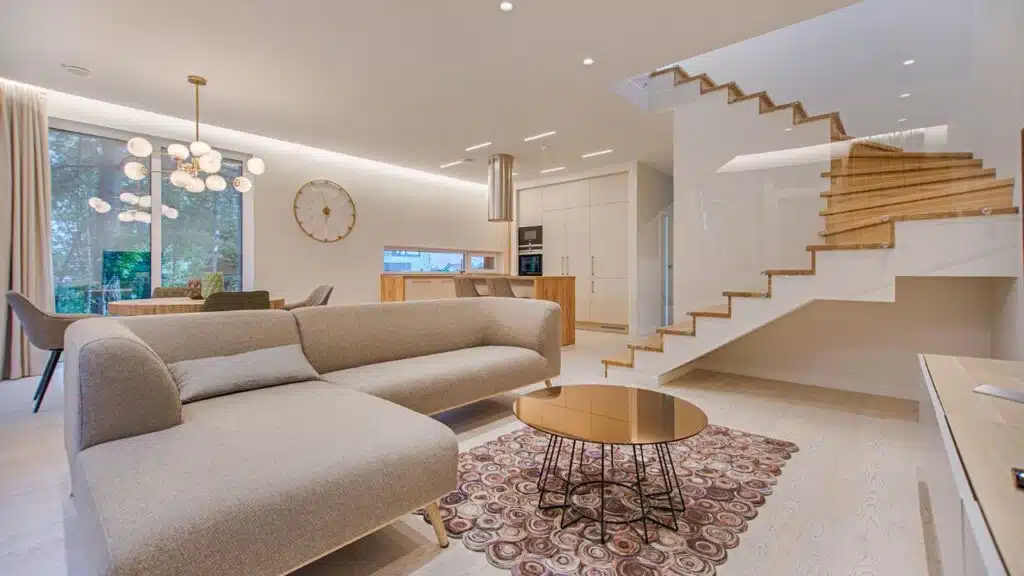
Biophilic design is all about enhancing our connection to nature within built environments. This approach integrates natural elements such as plants, sunlight, and water features to improve well-being, productivity, and creativity.
Ways to Incorporate Biophilic Design
- Indoor Greenery: Use potted plants, hanging vines, or even vertical garden walls to create lush green spaces indoors.
- Natural Light: Maximize sunlight by opting for open windows, sheer curtains, or skylights where possible.
- Water Features: Introduce a small indoor fountain or fish tank for a calming effect.
Biophilic design creates a living, breathing environment indoors, promoting relaxation and a healthier lifestyle.
3. Reclaimed Wood and Sustainable Materials
Sustainable decor has become essential in modern design, reflecting a commitment to eco-friendly living. Reclaimed wood, bamboo, and recycled materials are popular choices that reduce environmental impact while adding natural charm to interiors.
Ways to Incorporate Sustainable Materials
- Reclaimed Wood Furniture: Opt for tables, shelves, and cabinets made from reclaimed or upcycled wood, which often has unique, weathered textures.
- Bamboo and Cork Accents: Use sustainable materials like bamboo for blinds or cork for wall panels, adding warmth and texture.
- Eco-Friendly Fabrics: Choose organic cotton, hemp, or linen for upholstery and textiles, which have a lower environmental footprint.
Using sustainable materials promotes eco-conscious living and adds a unique, natural beauty to home decor.
4. Organic Textures and Natural Fibers
Natural fibers like jute, wool, rattan, and wicker add a tactile quality to interiors, creating warmth and depth. These organic textures also bring a rustic charm, adding layers of interest that make spaces feel cozy and lived-in.
Ways to Incorporate Organic Textures
- Rattan and Wicker Furniture: Opt for rattan or wicker chairs, side tables, or planters for an earthy, relaxed vibe.
- Textured Rugs: Use jute or sisal rugs, which add texture underfoot and enhance the room’s natural appeal.
- Layered Textiles: Incorporate wool throws, cotton blankets, and linen pillows to add soft, comforting layers.
By layering organic textures, you create an inviting and warm atmosphere that feels authentically connected to nature.
5. Large Indoor Plants and Statement Greenery
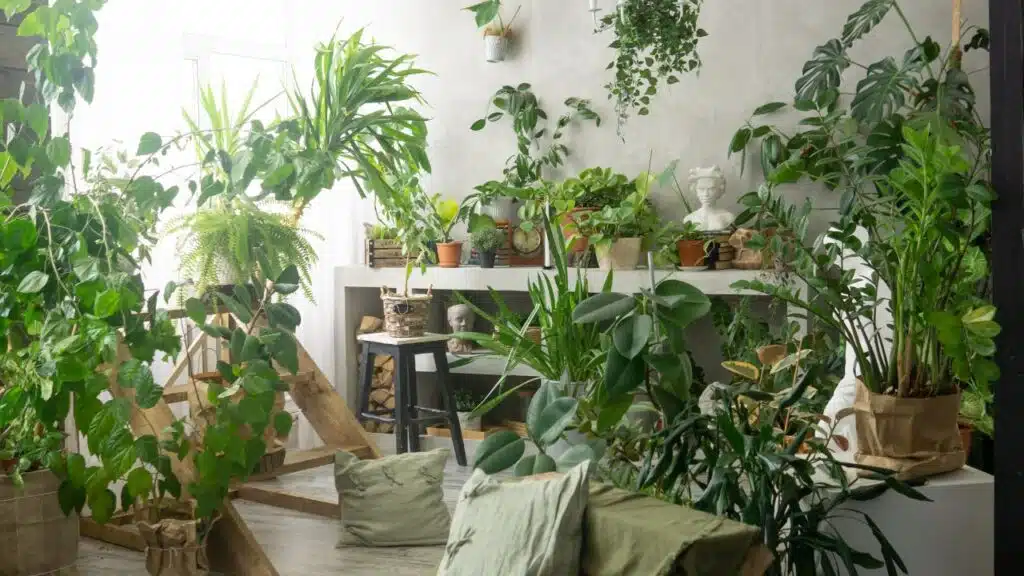
Nothing says “nature-inspired” like lush indoor plants. Large statement plants, such as monstera, fiddle-leaf figs, and palms, not only improve air quality but also add a striking visual element to your decor.
Ways to Use Large Indoor Plants
- Statement Corners: Place a large plant in a corner to fill empty space and create a focal point.
- Grouping Plants: Arrange smaller plants in groups on tables, shelves, or window sills to create a mini indoor garden.
- Decorative Pots: Choose decorative planters made from natural materials like terracotta or ceramic to complement the plants.
Plants bring a refreshing natural element indoors, fostering a lively, oxygen-rich environment.
6. Stone Accents and Natural Mineral Surfaces
Stone and minerals bring a raw, earthy elegance that complements nature-inspired decor. From granite countertops to marble coffee tables, these elements add sophistication and durability.
Ways to Incorporate Stone Accents
- Stone Tables and Countertops: Use stone surfaces for coffee tables, countertops, or side tables to add a natural, elegant touch.
- Stone Wall Cladding: Incorporate stone veneers on walls or fireplaces for a dramatic focal point.
- Decorative Stone Objects: Opt for marble trays, stone coasters, or agate bookends as accent pieces.
Stone and mineral surfaces give interiors an upscale yet grounded feel, enhancing the connection to natural elements.
7. Botanical Prints and Patterns
Botanical prints are a classic yet versatile way to bring the outdoors in. They add color, life, and an organic feel to any space, from wallpaper to framed art and textiles.
Ways to Use Botanical Prints
- Wall Art: Choose framed botanical illustrations or paintings to create a nature-inspired gallery wall.
- Wallpaper: Use botanical-themed wallpaper in a bedroom or hallway for a bold statement.
- Textiles: Look for botanical prints on pillows, curtains, or bedding to add subtle nature-inspired details.
Botanical prints instantly enliven a room, bringing in the beauty of flowers, leaves, and other natural elements.
8. Natural Light and Open Spaces
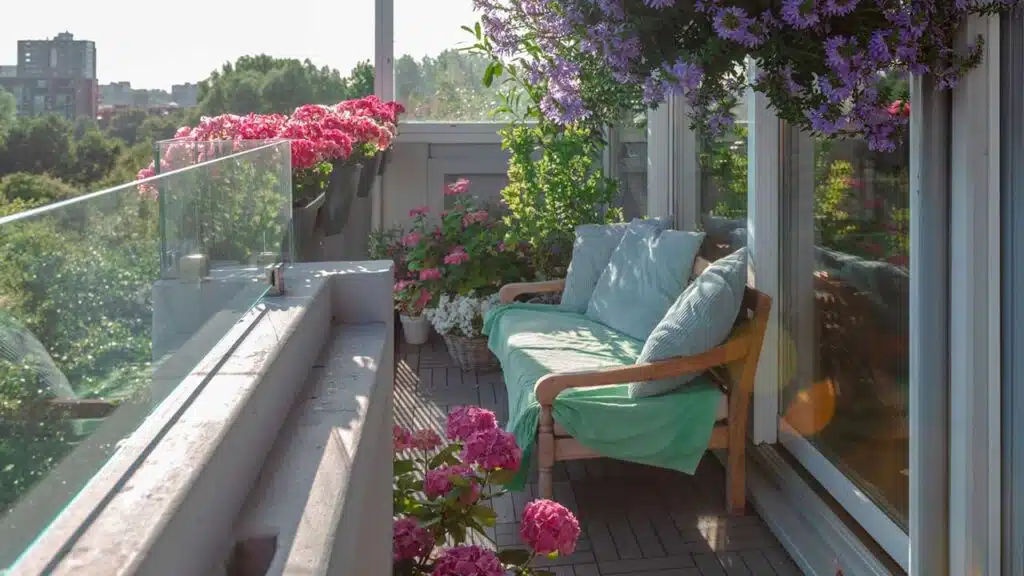
Natural light makes interiors feel fresh, open, and connected to the outdoors. Large windows, skylights, and open layouts allow more light to flood in, illuminating natural textures and colors.
Ways to Emphasize Natural Light
- Maximize Window Space: Avoid heavy drapes and use sheer curtains to let in as much sunlight as possible.
- Mirrors: Place mirrors strategically to reflect natural light and create a more open, airy feel.
- Open Floor Plans: Consider an open layout to allow light to flow through multiple areas, making your space feel connected and expansive.
Natural light brightens your home and highlights the organic elements in your decor, creating a warm and inviting atmosphere.
9. Earthy Scents and Aromatherapy
Scent is a powerful way to evoke the feeling of being outdoors. Earthy scents like cedarwood, eucalyptus, and lavender create an atmosphere that feels natural and calming.
Ways to Incorporate Earthy Scents
- Essential Oil Diffusers: Use diffusers with oils like pine, sandalwood, or rosemary to bring fresh, earthy aromas into your home.
- Natural Candles: Choose candles made with soy or beeswax in scents that remind you of forests, flowers, or fresh herbs.
- Dried Herbs and Flowers: Display dried lavender or eucalyptus in vases for both visual and aromatic appeal.
Incorporating natural scents helps set the mood for a nature-inspired home, enhancing relaxation and well-being.
10. Minimalism and Mindful Spaces
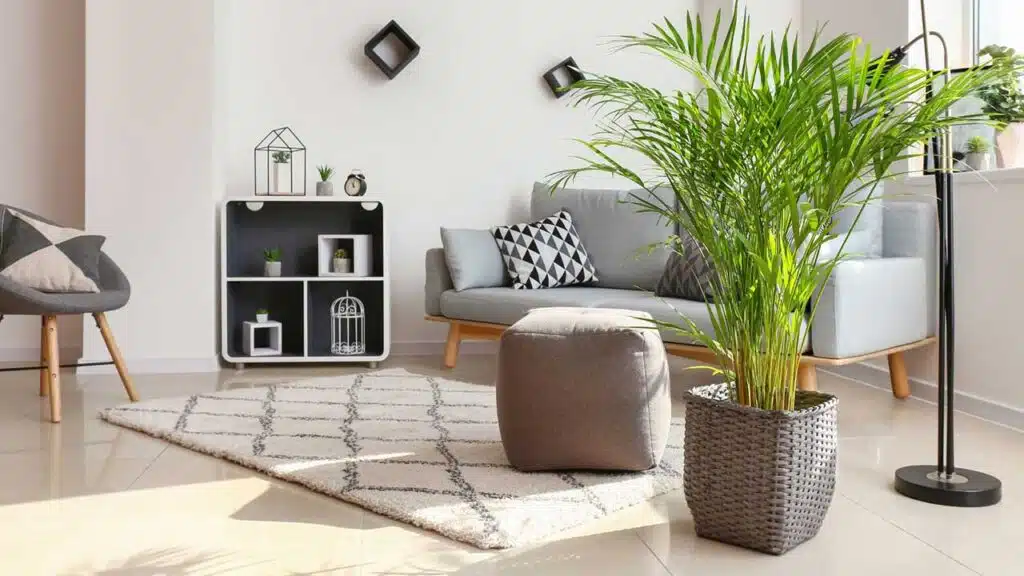
Minimalism emphasizes simplicity, space, and functionality, qualities that resonate with nature-inspired decor. By focusing on essential pieces and open spaces, minimalism allows natural materials and textures to stand out.
Ways to Embrace Minimalism
- Declutter: Keep only the essentials, reducing clutter to create a calm, focused space.
- Select Quality Over Quantity: Choose a few well-made, natural pieces rather than filling a room with unnecessary decor.
- Functional Design: Opt for multi-functional furniture that promotes a clean and open layout.
Minimalism enhances the natural beauty of each piece in your space, creating a harmonious and serene environment that feels closer to nature.
Conclusion
As we step into 2025, nature-inspired decor trends are set to transform homes into calm, inviting sanctuaries.
From earthy colors and organic textures to sustainable materials and indoor greenery, these elements bring the tranquility and beauty of the outdoors into our living spaces. Each trend offers a way to connect with nature while creating a stylish, mindful home.
Whether you’re revamping a single room or your entire home, these 10 nature-inspired decor trends provide inspiration for cultivating a peaceful, eco-friendly atmosphere. Embrace these ideas to create a space that reflects the beauty of nature and fosters a sense of balance and well-being.





















