

In today’s job market, employers conduct various screening processes to ensure they hire the best candidates.
One critical aspect of this hiring process is the national criminal history check. Also known as a police check, this background screening helps businesses mitigate risks, maintain workplace safety, and ensure compliance with industry regulations.
But why exactly do employers require this check, and how does it benefit both businesses and employees? Let’s explore the key reasons.
Workplace Safety and Security
A primary reason employers conduct criminal history checks is to maintain a safe working environment. Whether it’s a small business or a large corporation, ensuring that employees pose no risk to colleagues, customers, or stakeholders is essential. This is particularly crucial in sectors like healthcare, education, finance, and law enforcement, where employees often handle sensitive data or interact with vulnerable individuals.
For instance, in schools and childcare centers, staff members work closely with children, making it imperative that they have no history of violent or sexual offenses. Similarly, in industries such as security or aged care, a police check helps confirm that an individual is trustworthy and capable of performing their duties responsibly.
Protection of Company Assets and Reputation
Every business, regardless of size, has valuable assets—whether physical, financial, or intellectual. Employers need to ensure that their staff members can be trusted with these resources. Hiring individuals with a criminal background related to fraud, theft, or embezzlement can pose a significant risk to a company’s financial security and reputation.
For example, financial institutions conducting background checks can help prevent hiring individuals with a history of fraud, thus reducing the likelihood of internal theft or misconduct. Similarly, businesses dealing with confidential client data, such as IT firms, law firms, and healthcare providers, must ensure employees are reliable and uphold the highest ethical standards.
Legal and Regulatory Compliance
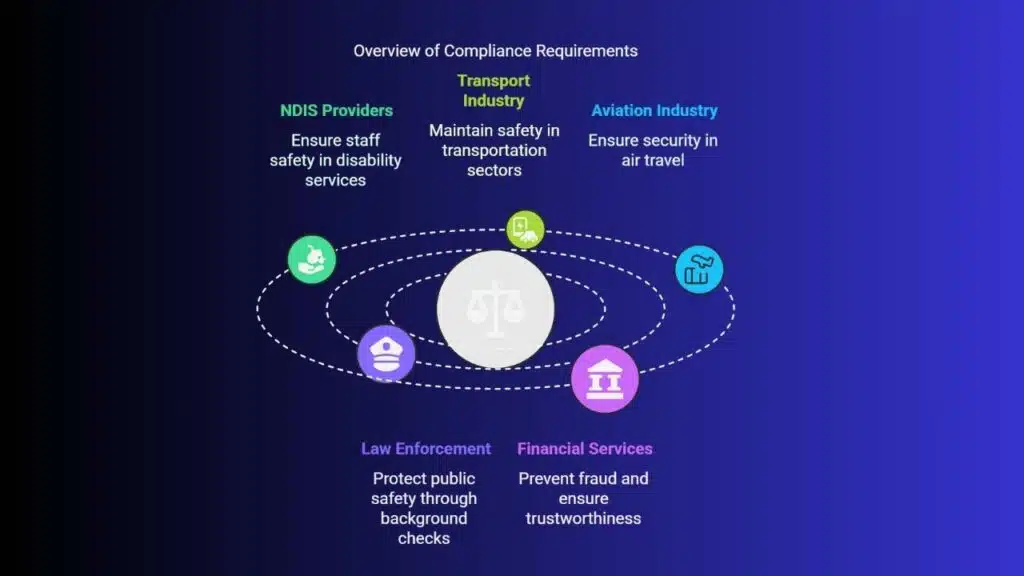
Certain industries are legally required to conduct background checks before hiring employees. For example, NDIS (National Disability Insurance Scheme) providers in Australia must ensure that their staff members have no prior criminal history that could endanger vulnerable individuals.
Other industries, such as transport, aviation, law enforcement, and financial services, also have strict regulatory requirements. Failing to conduct a National Criminal History Check can lead to non-compliance with these laws, resulting in hefty fines or legal consequences. By ensuring all employees meet industry standards, businesses can operate smoothly and avoid unnecessary legal trouble.
Building Customer and Client Trust
Many businesses interact directly with clients and customers, and trust is a significant factor in maintaining good relationships. When a company can confidently say that its employees have undergone a thorough background check, it reassures customers that they are dealing with reliable and ethical professionals.
For example, customers hiring a home service provider, such as a cleaner, electrician, or plumber, feel safer knowing that the company has vetted its staff. Similarly, in financial and legal sectors, where trust is paramount, background checks can give clients peace of mind that they are in good hands.
Preventing Workplace Misconduct
Hiring someone with a history of violence, harassment, or dishonesty can lead to workplace conflicts, discrimination, or even legal disputes. Conducting criminal history checks before hiring helps employers identify potential red flags and make informed decisions.
Preventing workplace misconduct is especially vital in high-stress environments where employees interact closely with colleagues and customers. A history of violence or fraud could indicate a higher likelihood of workplace disputes, which could harm productivity and morale.
Fair and Informed Hiring Decisions
A National Criminal History Check does not automatically disqualify a candidate from employment. Instead, it allows employers to assess an applicant’s past in context and determine whether their history is relevant to the job role.
For example, a minor offense committed many years ago may not be relevant to a candidate applying for an IT role, but a history of fraud may be crucial for a position in banking. Employers use discretion when reviewing criminal history reports to ensure fair and reasonable hiring practices.
Reducing Liability Risks
Employers have a duty of care to provide a safe working environment for all employees. Failing to conduct background checks can result in hiring individuals with a history of criminal behavior, increasing the risk of workplace incidents. If an employee with a known criminal history causes harm at work, the employer could face lawsuits, reputational damage, and financial losses.
By conducting National Criminal History Checks, companies can demonstrate that they have taken reasonable steps to ensure the safety of their employees and clients, reducing their liability risks.
Final Thoughts
A National Criminal History Check is a vital tool for employers looking to build a trustworthy, safe, and legally compliant workforce. It protects businesses from financial losses, safeguards workplace integrity, and ensures compliance with industry regulations. While the process may seem rigorous, it ultimately benefits both employers and employees by fostering a secure and ethical work environment.
If you’re a job seeker, it’s essential to understand why these checks are conducted and be prepared for the process. Likewise, employers should integrate thorough yet fair screening procedures to maintain a high standard of hiring. In the long run, investing in pre-employment background checks helps create a safer, more reliable, and more successful workplace.






















