


Every parent wants their child to thrive academically, and one of the best ways to set them up for success is by creating a study space that fosters focus, creativity, and productivity. A well-organized and comfortable environment can make a significant difference in how a child approaches learning. The right kids’ furniture not only provides the necessary functionality but also enhances motivation and concentration. In this article, we’ll explore the must-have pieces for an inspiring study space, with a special focus on selecting the perfect kids desk to serve as the foundation of a productive learning area.
The Importance of a Dedicated Study Space
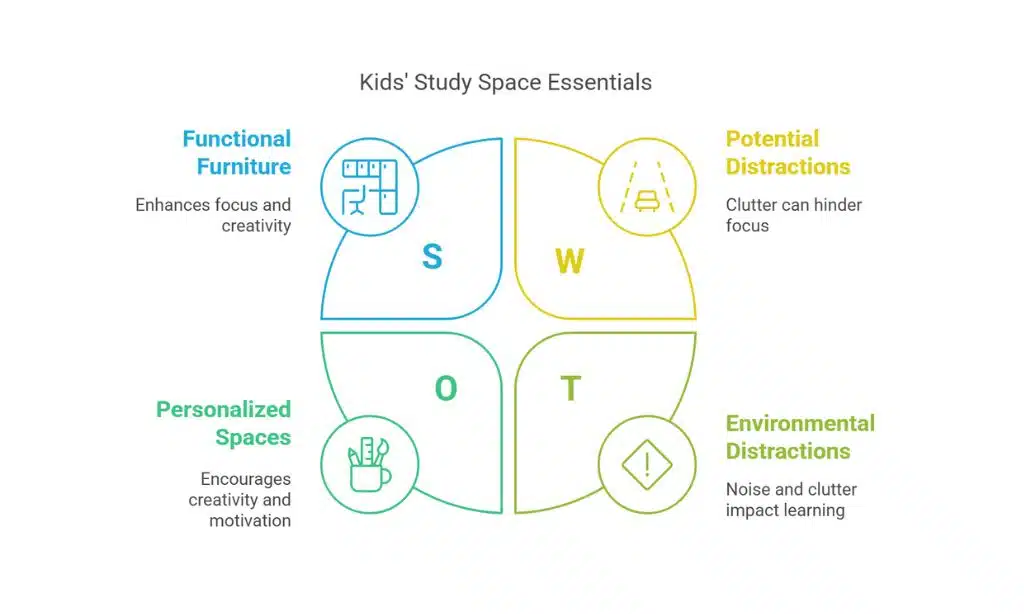
A designated study space gives children a sense of structure and discipline. It helps them differentiate between relaxation and study time, allowing them to develop strong study habits. Without a proper setup, children may struggle with distractions, poor posture, and disorganization, all of which can negatively impact their learning experience. Investing in the right furniture transforms their study area into a space where they can focus and thrive.
Choosing the Right Kids Desk
A kids desk is the centerpiece of any study space, serving as a dedicated area for learning, creativity, and organization. Choosing the right desk involves more than just selecting a piece of furniture; it’s about creating an environment where your child can focus, stay motivated, and develop productive study habits.
One of the most important factors to consider is size and ergonomics. A desk that is too high or too low can cause discomfort and lead to poor posture. Look for adjustable desks that can grow with your child, ensuring they always have a comfortable and supportive workspace. The desk should provide enough surface area to accommodate books, stationery, and a computer or tablet if needed, without feeling cramped.
Storage solutions are another key feature of a well-designed kids desk. Built-in drawers, shelves, or cubbies help keep school supplies organized and within reach. A clutter-free desk promotes better focus and efficiency, reducing distractions that can interfere with studying.
Durability is crucial when selecting a kids desk. Since children often use their furniture for various activities beyond studying—such as drawing, crafting, and playing—it’s important to choose a sturdy, high-quality desk made from durable materials. Look for options with scratch-resistant surfaces and rounded edges for added safety.
Style and functionality should also be taken into account. A kids desk that complements the overall design of the study space while offering practical features will make learning more enjoyable. Whether opting for a minimalist design, a colorful and playful look, or a desk with fun built-in elements, the goal is to create an inspiring space that encourages learning and creativity.

The Role of a Comfortable Chair
A comfortable chair is just as essential as a kids desk when designing a study space that fosters productivity and focus. The right chair ensures proper posture, supports spinal alignment, and reduces discomfort during long study sessions, helping children stay engaged and motivated.
When choosing a kids chair, ergonomics should be the top priority. A chair with adjustable height allows it to grow with your child, ensuring their feet can rest flat on the floor while their arms comfortably reach the kids desk. A chair with proper lumbar support helps maintain a healthy posture, preventing slouching and back strain over time.
1. Smart Storage Solutions
Keeping a study area tidy is crucial for maintaining focus. Storage options such as bookshelves, rolling carts, and wall-mounted organizers can help keep school materials in order. Labeling bins or drawers simplifies organization and encourages children to take responsibility for their space.
2. Lighting: An Essential Study Aid
Good lighting enhances concentration and reduces eye strain. Positioning the kids desk near a window provides natural light, which can boost mood and energy levels. An adjustable desk lamp with warm lighting ensures clear visibility, especially for evening study sessions.
3. Personalizing the Study Space
A study area should be a place where children feel comfortable and inspired. Adding personal touches like motivational posters, a vision board, or colorful stationery can make the space inviting. A small corkboard or whiteboard near the desk allows kids to pin important notes, reminders, and achievements.
4. Encouraging Movement and Flexibility
Sitting for long periods can be tiring, so incorporating movement-friendly elements can improve focus and energy. Consider a standing desk converter or a wobble chair that allows active sitting. A cozy reading nook with a bean bag or floor cushions provides a relaxing break area.
5. Technology Integration
If your child uses a laptop or tablet for schoolwork, ensure their kids desk has enough surface space and built-in cable management for a clutter-free setup. Noise-canceling headphones can also help minimize distractions in a shared environment.
6. Maintaining an Organized Study Space
A clean and clutter-free environment supports better focus and productivity. Encourage children to develop a habit of tidying up their study space daily. Implementing a simple organization system will make it easier for them to find what they need and stay on top of their schoolwork.
Final Thoughts: Setting Your Child Up for Success
A well-designed study space is more than just a place to do homework—it’s a foundation for lifelong learning. The right kids’ furniture can shape focus, creativity, and productivity, ensuring your child has everything they need to thrive academically and beyond.
A kids desk is the centerpiece of any effective study area. Choosing one that’s ergonomic, appropriately sized, and equipped with smart storage can make all the difference. Paired with a comfortable, supportive chair, a well-chosen desk encourages good posture and extended periods of focused learning.
Storage solutions like bookshelves, rolling carts, and under-desk drawers help keep clutter at bay, making it easier for your child to stay organized. Lighting also plays a crucial role—positioning the desk near natural light or using an adjustable lamp reduces eye strain and enhances concentration.
Beyond functionality, a study space should be inviting. Personal touches like colorful wall art, inspiring quotes, and a cozy reading nook make it a place where your child wants to spend time. When children feel comfortable and motivated in their study area, they’re more likely to develop strong learning habits. Invest in the right furniture today and set your child up for success!





















