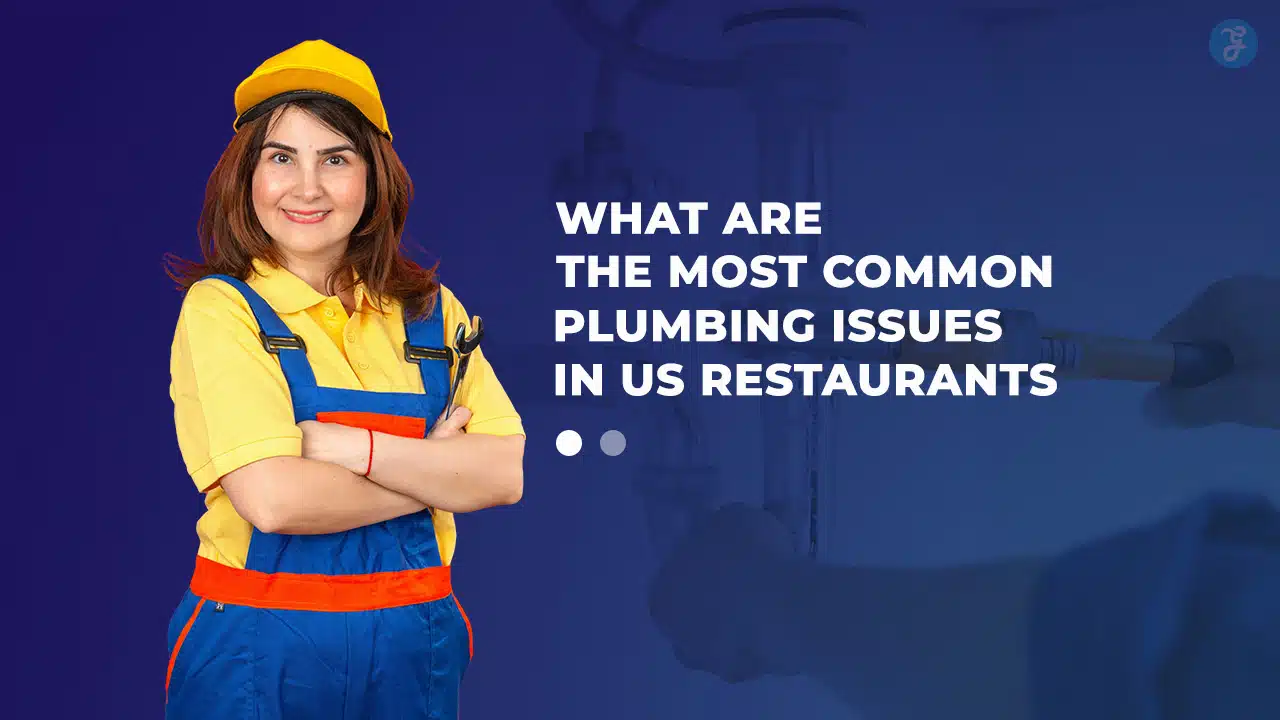
Running a restaurant is hard work. Plumbing problems can make it even harder. From clogged drains to leaky faucets, these issues can disrupt your day and hurt your business.
Did you know grease buildup is one of the top causes of clogs in restaurant kitchens? Food scraps and grease often get stuck in pipes, slowing water flow or blocking it completely.
Fixing these problems fast is key to keeping your restaurant running smoothly.
This blog will show you the most common plumbing issues restaurants face. You’ll learn how to spot them early and prevent costly repairs. Stay with us!
Clogged Drains and Grease Traps
Fat, oil, and food scraps love to stick around in pipes. Over time, this sticky mess can choke your drains, causing chaos in a busy kitchen.
Common causes of clogs
Food bits, grease, and soap scum often block drains in restaurants. Dishwashers push food scraps into pipes, causing bad clogs fast. Grease traps can overflow if not cleaned regularly.
This leads to slow drainage or a complete stoppage.
Paper towels flushed down toilets also cause trouble. They do not break down like toilet paper does, so they stick in pipes. Floor drains collect dirt and grease from kitchen floors and dishwashing stations, adding more clog risks.
Grease buildup is the number one enemy of restaurant plumbing systems, says a professional plumber.
Preventing grease buildup
Grease buildup is a major problem in restaurant kitchens. It clogs grease traps, drains, and pipes, causing costly damage.
- Scrape food scraps into trash cans before rinsing dishes. This stops grease and debris from going down drains.
- Install grease traps near sinks to catch oil and fat before they enter pipes. These need emptying regularly to work well.
- Use degreasers to clean kitchen surfaces often. Grease left behind can easily flow into floor drains.
- Avoid pouring cooking oil or fats down any drain. Collect them in containers for proper disposal instead.
- Schedule routine plumbing inspections with professional plumbers to check for early signs of grease buildup.
- Train staff on how to dispose of waste properly and keep pipes clear.
- Place strainers over sink drains at dishwashing stations to filter out solid particles that lead to clogs.
- Clean floor drains weekly since grease can pool there unnoticed.
Proper habits go a long way in preventing backups caused by grease or food debris!
Leaky Faucets and Pipes
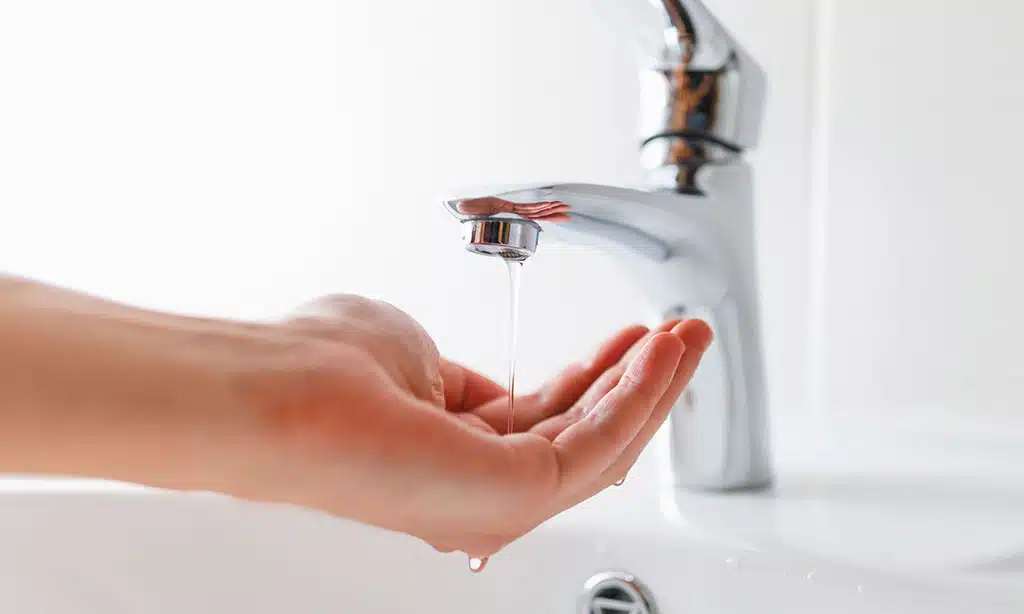
Dripping taps waste water and money fast. Leaky pipes, if ignored, can cause major water damage in no time.
Signs of leaks
Puddles near faucets or under sinks signal trouble. Wet spots on walls, ceilings, or floors can mean pipe leaks. A sudden spike in the water meter reading points to hidden plumbing issues.
Listen for dripping sounds even when taps are off—that’s a clue.
Leaking pipes never just fix themselves—act fast.
Low water pressure in dishwashing stations, restrooms, or commercial kitchens might also hint at leaks. Look out for musty smells too; they often come with hidden water damage.
Repairing and maintaining fixtures
Fixing and keeping plumbing fixtures in top shape is key for restaurants. Leaky faucets and pipes can waste water and lead to bigger problems.
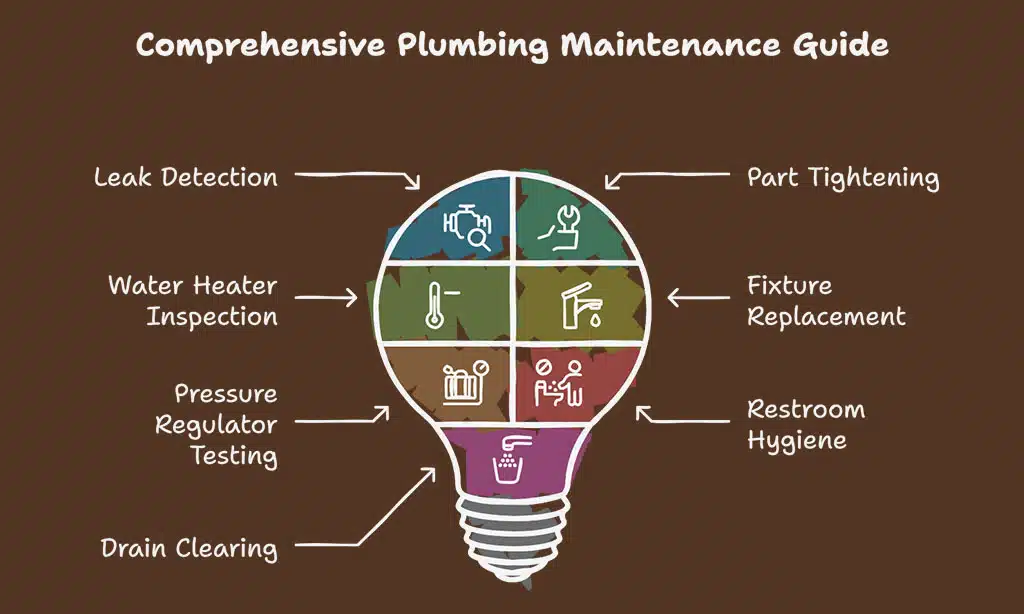
- Check for drips under sinks or from faucets often. Even small leaks can signal pipe damage.
- Tighten loose parts like washers or seals right away. Ignoring them can make leaks worse.
- Inspect water heaters yearly for rust, sediment buildup, or odd noises. Hot water is vital for kitchens and restrooms.
- Replace outdated fixtures with energy-efficient ones. They save water and reduce bills over time.
- Test pressure regulators if faucets have weak flow or sprays unevenly. Low water pressure might mean clogged aerators or pipe issues.
- Clean urinals and hand dryers regularly in public restrooms. This avoids clogs and keeps areas hygienic.
- Clear out dishwashing station drains weekly to stop food debris from building up.
Frequently Clogged Toilets
Toilet clogs can cause chaos during busy hours, frustrating both staff and guests. Ignoring small issues may lead to costly repairs or a big mess down the line.
Causes of toilet blockages
Paper towels often clog toilets in restaurants. Customers sometimes flush items like napkins, wrappers, or hygiene products. These do not break down like toilet paper and lead to blockages.
Food debris can also cause problems. People may dump leftovers or grease into the restroom plumbing. This buildup narrows pipes over time, making clogging more likely.
Preventing recurring clogs
Clogged drains are a big problem in restaurants. Food scraps and grease can block pipes quickly. Preventing this can save time and money.
- Scrape food off plates before washing dishes to stop debris from going down the drain.
- Use mesh drain covers in sinks to catch small food pieces.
- Train kitchen staff to never pour grease or oil down any drain. Grease solidifies and causes blockages.
- Schedule regular grease trap cleaning to avoid overflow problems. Busy kitchens should check grease traps weekly.
- Flush drains with hot water daily to help break up buildup like fat and oil residue.
- Avoid using chemical drain cleaners, as they can damage pipes over time.
- Work with professional plumbers for routine plumbing inspections of floor drains, sinks, and dishwashing stations.
- Install high-quality garbage disposals where needed for better food waste management.
- Place clear signage near restrooms asking customers not to flush items like hand towels or wipes that can clog toilets.
- Check dishwashers often for sediment buildup, which may cause clogs in connected pipes.
Preventing clogs keeps your restaurant running smoothly, benefiting both staff and guests alike!
Low Water Pressure
Low water pressure can slow down work in a busy restaurant. It might even make washing dishes or using faucets feel like a chore.
Diagnosing water pressure issues
Low pressure in restaurant plumbing can disrupt operations fast. Faulty fixtures, pipe leaks, or sediment buildup often cause the issue. Grease and food debris clogging pipes may also cut water flow.
Old or damaged sewer lines might lead to problems too.
Check dishwashing stations and floor drains for blockages first. Inspect faucets for lime deposits, which might restrict flow. Municipal water supply issues could be at play as well.
A professional plumber with specific plumbing tools like a sewer camera can pinpoint the exact cause quickly.
Fixing low pressure problems
Low water pressure can slow down work in a restaurant. It makes tasks like washing dishes or filling pots frustrating.
- Check the faucet aerators for buildup. Sediment and debris in these small screens can block water flow. Clean or replace them to restore pressure.
- Inspect pipes for clogs or leaks. Grease buildup or damage may restrict water flow, leading to low pressure.
- Look at the shut-off valves under sinks. If not fully open, they can reduce water output.
- Test the main water line connection. A kinked or damaged pipe outside the building might affect pressure inside.
- Examine old appliances tied to water lines, like dishwashing stations or coffee machines, as outdated equipment may impact performance.
- Call professional plumbers if issues persist after basic steps fail to fix pressure problems.
Sewer Line Backups
Sewer line backups can shut down your entire kitchen fast, causing chaos during busy hours. Odd smells or slow drains might be red flags screaming for a plumber’s help.
Warning signs of sewer issues
Slow drains in kitchen sinks or floor drains often hint at sewer line backups. Gurgling sounds from toilets can also signal trouble in the sewage system. Strong smells near restrooms or dishwashing stations point to sewer gas leaks.
Frequent clogs, especially in hand dryers’ areas, might mean deeper issues with sewer pipes. Overflowing grease traps add strain on sewer systems and cause blockages. Regular plumbing inspections help catch these warning signs early.
Preventive maintenance for sewer lines
Sewer line backups can cause big problems in restaurants. Regular upkeep helps avoid costly repairs and shutdowns.
- Schedule regular plumbing inspections to catch early signs of damage or clogs. Professional plumbers use tools like cameras to check deep inside pipes.
- Clean grease traps often to prevent grease buildup from blocking sewer lines. Overflowing grease traps are a common cause of backups.
- Avoid using chemical cleaners that may harm the pipes over time. These can weaken sewer lines, leading to cracks or leaks.
- Train staff not to pour grease, oil, or food debris down drains. Even small scraps can lead to clogged drains and sewer issues later on.
- Inspect floor drains near dishwashing stations and prep areas weekly for buildup or slow drainage issues caused by food scraps and sediment buildup.
- Install strainers in sink drains throughout the kitchen to catch food bits before they enter the system.
- Maintain proper water pressure by addressing pipe leaks quickly, as low pressure might signal an underlying issue with the sewage system.
- Keep outdoor drain caps secure and clear of dirt or leaves that could block water flow into sewer lines during heavy rain.
Professional plumbers help keep restaurant plumbing working well, boosting operational efficiency while reducing risks of downtime from major plumbing disasters!
Takeaways
Plumbing issues in restaurants can cause big headaches, but they’re fixable. Clogged drains from grease and food scraps are common problems. Leaky pipes waste water and money if not handled fast.
Low water pressure can slow everything down, especially in busy kitchens. Regular inspections and cleaning make a huge difference in avoiding these troubles. Call a professional plumber for tricky fixes or ongoing checks.
A little care keeps your plumbing flowing smoothly!
FAQs
1. What are the most common plumbing issues in US restaurants?
Common problems include clogged drains, leaky faucets, grease buildup in grease traps, low water pressure, and pipe leaks. These can disrupt daily operations if not addressed quickly.
2. Why do restaurant drains clog so often?
Drains often clog because of food debris, grease buildup, and improper use of floor drains or dishwashing stations. Regular drain cleaning helps prevent these issues.
3. How does grease affect restaurant plumbing systems?
Grease collects in pipes and traps over time, causing blockages or backups in sewer lines. Proper maintenance of grease traps is critical for smooth operations.
4. Should restaurants schedule regular plumbing inspections?
Yes! Routine inspections by professional plumbers help spot early signs of sediment buildup, gas leaks from ovens or gas lines, and other hidden problems before they worsen.
5. How can low water pressure impact a restaurant’s workstations?
Low water pressure slows down tasks at dishwashing stations and restrooms while affecting bar plumbing reliability too—this creates delays during busy hours.
6. When should a restaurant call a plumber for help?
Call a plumber when you notice persistent drain clogs, sewer line backups, leaking pipes under sinks or near hand dryers—or if your HVAC system shows related issues like moisture buildup nearby!