Among the business models focused on food delivery, ghost kitchens have become some of the most prominent, gaining increasing traction in the global food industry
In the United States, ghost kitchens have expanded in line with the global trend of growing consumer preference for delivery. This model, which operates exclusively through delivery, eliminates the need for a physical space to serve customers.
With technological advancements enhancing service quality and replicating the experience of traditional restaurants, delivery services have been attracting more customers. In the United States, more than half of consumers say they would place an order even if they knew the food was prepared in a ghost kitchen.
This shift is emerging in a context where delivery-focused business models are expanding, offering consumers more options and directly impacting traditional restaurants.
What Are Ghost Kitchens and How Do They Work?
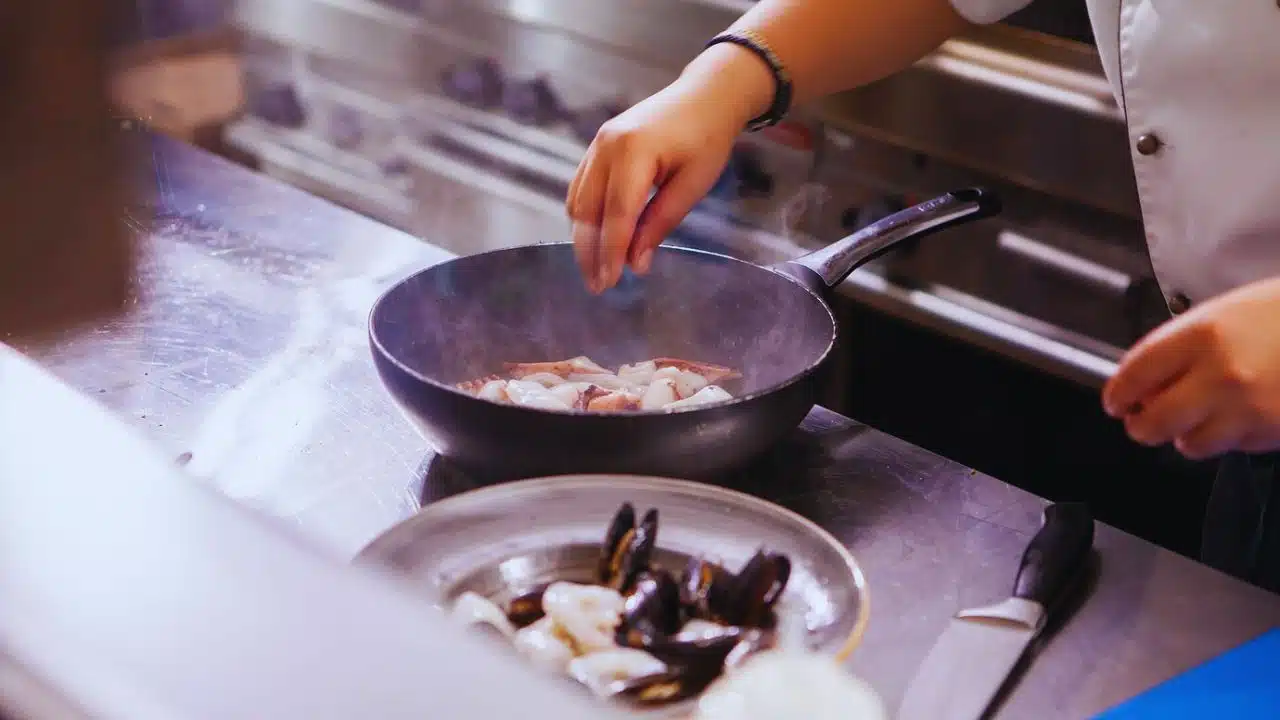
Ghost kitchens are establishments designed to operate solely via delivery, without accommodating in-person customers.
This model gained strength during the pandemic due to social distancing restrictions. However, its advantages, such as lower costs and increased efficiency, have solidified it as a sustainable business model.
With digitalization, ghost kitchens have found it easier to attract customers, whether through third-party platforms or their own proprietary systems. This enables large-scale production while making the model more accessible to entrepreneurs.
How Do Ghost Kitchens Impact Traditional Restaurants?
Traditional restaurants still hold a significant place in the food industry, but the rise of ghost kitchens has necessitated adaptations to keep up with emerging trends.
During the pandemic, for example, many established restaurant chains adopted this model to sustain their operations. The growing demand for delivery also led businesses in the sector to implement hybrid formats, combining in-person dining with remote services.
Major chains, such as Wendy’s and Outback, have already invested in creating virtual brands that operate exclusively through ghost kitchens.
Given this shift, new restaurants are increasingly turning to this model, while traditional establishments are expanding their operations to serve both in-person and digital audiences.
What Are the Benefits of Ghost Kitchens for New Restaurants?
Ghost kitchens offer operational flexibility and financial advantages, attracting a growing number of entrepreneurs. Some key benefits include:
-
Cost reduction: since they operate solely through delivery, initial investments are lower, allowing for more strategic budget allocation.
-
Operational efficiency: the flexible structure facilitates expansion and adjustments without significant financial outlays.
-
Menu innovation: greater operational freedom enables businesses to test new menus and culinary concepts with minimal financial risk.
Are Ghost Kitchens a Sustainable Trend?
The ghost kitchen model has already established itself in the market, with projections indicating it could account for half of all delivery services by 2030, according to data from Statista.
Digitalization and evolving consumer habits have fueled this growth, as customers increasingly seek convenience in their daily routines.
Platforms like Uber Eats continue to expand their customer base and diversify delivery options. Additionally, new business models have emerged to capitalize on this demand. One example is Trypicnic, which has developed a delivery system tailored for corporate meal services.
How Can Traditional Restaurants Adapt to the Ghost Kitchen Model?
With an expected annual growth rate of 62%, the ghost kitchen market is projected to surge from $3.54 billion to $104 billion between 2023 and 2030, highlighting its potential.
For traditional restaurants, integrating delivery services has become essential for expanding their customer base. Many large chains have implemented ghost kitchen networks or formed partnerships with specialized kitchens to optimize their operations.
Conducting market research can help restaurants identify promising niches and make more informed decisions. Overall, the number of ghost kitchens is expected to continue growing both in the United States and worldwide.
Future Perspectives
Ghost kitchens are poised for continued evolution and global expansion, driven by the rising demand for delivery. Moreover, economic challenges in various regions reinforce the potential of this model, which benefits from lower operational costs.
New technologies, such as artificial intelligence, are being integrated to automate processes and personalize services based on consumer profiles using data and algorithms.
The delivery market is also evolving to meet this demand. While traditional restaurants remain relevant, they will likely need to increasingly share space with ghost kitchens in the future.