

After years of back-and-forth debates and legislative roadblocks, Missouri voters have approved Amendment 2, officially legalizing sports betting across the state. This landmark decision took place on Election Night, with the narrow vote signaling a historic shift toward a new era of regulated sports wagering within Missouri. With approximately 2.9 million ballots cast, the measure passed by a razor-thin margin of just 0.3%, or fewer than 7,500 votes, according to unofficial results from the Missouri Secretary of State’s Office.
This hard-fought victory marks the end of a tumultuous journey for sports betting advocates, who have seen their efforts stall repeatedly in recent years due to opposition within the legislature. Missouri now joins 38 other states in legalizing sports betting, placing it alongside its neighboring state Kansas, which introduced sports wagering in September 2022. This change offers Missouri the chance to recapture millions in revenue lost to neighboring states as residents previously crossed state lines to legally place their bets.
Economic Projections and Potential State Revenue
With legalized sports betting on the horizon, analysts and lawmakers alike are closely examining the economic impact this could have on the Show-Me State. A fiscal note attached to the proposal estimates that sports betting could generate up to $28.9 million in annual tax revenue for the state. However, independent studies, such as one conducted by Eilers & Krejcik Gaming, offer even more ambitious projections, suggesting that annual sports betting revenue in Missouri could eventually reach as much as $560 million.
These revenue streams have important implications for Missouri’s public sector. According to the terms of Amendment 2, the state has committed to using a substantial portion of the new tax revenue for education funding, including financial support for K-12 schools, higher education institutions, and initiatives focused on educational growth. Over the next five years, experts estimate that legal sports betting could contribute around $105 million to public education across Missouri, marking a significant investment in the state’s future generations.
Timeline for Implementation and Launch
Amendment 2 stipulates that new amendments become law 30 days after a general election, meaning that the countdown has already begun for sports betting to officially take effect in Missouri. The Missouri Gaming Commission has been tasked with implementing the new law, including overseeing the licensing process and creating regulatory guidelines. Officials anticipate that sports betting will be fully operational in the state by December 1, 2025, though there may be an extensive period of preparation before the industry is entirely ready for launch.
This timeline means Missouri residents likely won’t be able to place legal bets on the Super Bowl, one of the largest betting events of the year, in the short term. Nevertheless, the extended timeline is expected to provide ample opportunity for stakeholders to ensure that the regulations and safeguards surrounding sports betting meet the state’s standards.
Licensing and Market Structure
Under Amendment 2, Missouri will have a well-defined licensing structure for the sports betting market, allowing up to 22 digital sports betting licenses to be issued. Each of Missouri’s 13 casinos will automatically qualify for a license, as will the state’s seven professional sports franchises, which include well-known teams like the Kansas City Chiefs, the St. Louis Cardinals, and the St. Louis Blues. The allocation of these licenses means that Missouri’s sports betting landscape will have a healthy mix of both physical sportsbooks within casino venues and online platforms, providing residents with various ways to engage in sports betting.
The state is also expected to see a boost in one-time license fees from operators entering the market. Initial projections estimate that Missouri could earn $11.75 million from these license fees alone. Once sports betting is up and running, Missouri’s law allows for a 10% tax on sports betting revenue, providing a steady stream of funds for state programs and services.
Industry Giants Expected to Compete for Licenses
The legalization of sports betting in Missouri has attracted interest from major players in the sports betting industry, most notably FanDuel and DraftKings. These companies, already dominant forces in the U.S. sports betting market, each contributed a substantial $20.1 million to “Winning for Missouri Education,” a political action committee that played a pivotal role in supporting the passage of Amendment 2. The involvement of these industry heavyweights underscores the strong potential that the Missouri sports betting market holds, both in terms of revenue generation and market share for leading brands.
FanDuel and DraftKings, along with other prominent sportsbooks like BetMGM and Caesars Sportsbook, are expected to enter the licensing process soon. A study commissioned by Winning for Missouri Education estimates that the state could see up to $21.8 billion wagered over the first five years of legal sports betting, underscoring the sizable appetite for sports betting among Missouri’s residents.
Revenue Allocation and Deduction Provisions
The revenue generated from sports betting will be directed toward several key state funds. Education funding will receive the largest share, supporting both public schools and higher education initiatives across Missouri. Additionally, a portion of the tax revenue will be allocated to the Compulsive Gambling Prevention Fund. This fund will finance research, prevention, and treatment programs focused on problem gambling, ensuring that the state addresses the potential social impacts of increased gambling activity.
The amendment also includes a provision that allows sports betting operators to deduct a portion of the taxes they owe against certain promotional expenses. This deduction, which applies to “free play” or other marketing initiatives, is seen as a valuable incentive for operators, allowing them to reinvest more resources into their services and promotional offers. In some high-tax states, such as New York, sportsbooks have found it challenging to maintain competitive promotional budgets, but Missouri’s tax structure aims to create a more favorable business environment for operators.
Support and Future Prospects for Missouri Sports Betting
The decision to legalize sports betting received widespread support from Missouri’s professional sports franchises, as well as bipartisan backing from both gubernatorial candidates in the recent election. Missouri’s Lt. Governor Mike Kehoe, now the governor-elect, expressed his support for sports betting, citing its potential to generate much-needed revenue for the state. With Kehoe’s backing, the sports betting industry in Missouri is expected to move forward with minimal political resistance.
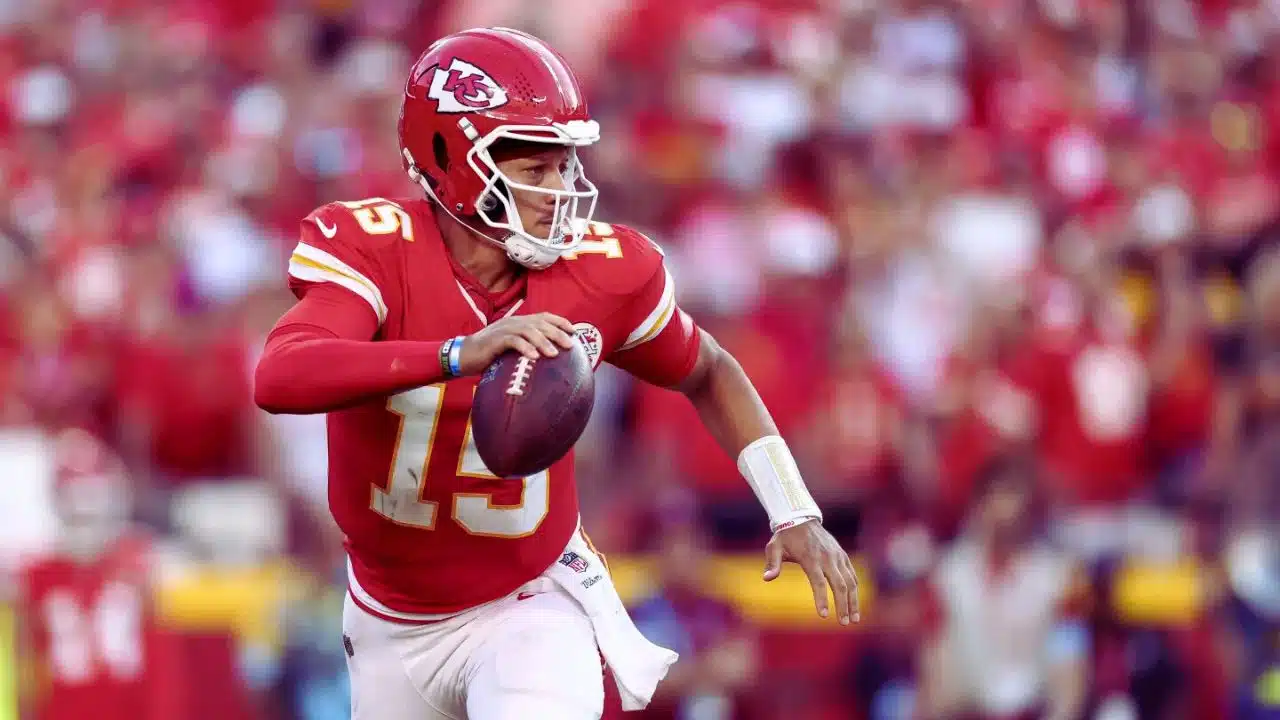
One noteworthy outcome of the amendment is that Missouri’s professional sports teams will now have the option to open retail sportsbooks near their stadiums and arenas. This provision could potentially add a new dimension to the state’s sports landscape, creating a more immersive experience for fans attending games in person. The Kansas City Chiefs, who have been exploring options for a new stadium, may benefit from the increased revenue generated through sports betting. While Chiefs President Mark Donovan has downplayed the role of sports betting in stadium planning, the team is positioned to benefit from the increased fan engagement and revenue potential that retail sportsbooks could bring.
Anticipated Spending and Market Projections
According to analysts, the average spend per adult on sports betting in Missouri is expected to align closely with national averages. As the state’s sports betting market matures, JMP Securities analyst Jordan Bender projects that Missouri could generate around $580 million annually in online gaming revenue. With Missouri’s rich sports culture and dedicated fan base, sports betting advocates are optimistic that the market will flourish, contributing to both the state’s economy and its educational infrastructure.
Addressing Problem Gambling Concerns
While sports betting legalization promises significant financial gains for Missouri, some lawmakers have expressed concerns regarding problem gambling. Missouri State Senator Denny Hoskins, a Republican, has highlighted the comparatively low tax rate as a potential issue, arguing that it may not provide sufficient funding for the state’s Compulsive Gambling Prevention Fund. Hoskins and other advocates for responsible gambling have called for more resources to be dedicated to preventing and treating problem gambling, particularly given the potential increase in gambling activity.
In response, Amendment 2 includes provisions to fund research on problem gambling, as well as expanded treatment programs and support services. However, some believe that additional measures may be needed in the future to fully address the potential social impacts of a larger sports betting industry in Missouri.
Missouri’s Sports Betting Landscape
As Missouri prepares for the rollout of legalized sports betting, the state’s gaming industry is optimistic about the opportunities ahead. With a comprehensive regulatory framework in place and substantial support from the public, sports franchises, and industry leaders, Missouri is set to become a key player in the U.S. sports betting market. The coming months will see the Missouri Gaming Commission working closely with operators to finalize the licensing process, establish regulatory guidelines, and ensure that the industry operates in a way that benefits both the state and its residents.
For Missouri’s sports fans, the legalization of sports betting represents a new way to engage with their favorite teams and players. The prospect of placing a legal wager on the Kansas City Chiefs or the St. Louis Cardinals brings an added level of excitement to the state’s already passionate sports culture. While there are still hurdles to overcome, the passage of Amendment 2 marks a significant milestone, and many Missourians are eagerly awaiting the arrival of legal sports betting in 2025.
The Information is Collected from AOL and Yahoo.





















