

Investing has long been perceived as an exclusive activity for those with significant financial resources, but fintech has revolutionized this landscape. With the emergence of micro-investing apps, college students no longer need large sums of money or advanced financial knowledge to start growing their wealth. These platforms allow small, frequent investments—sometimes as little as $1—into diversified portfolios, making investing accessible and low-risk.
For students juggling tuition fees, rent, and daily expenses, the idea of investing might seem impractical. However, modern fintech solutions have made it easier than ever to set aside spare change for the future. Whether through automated round-up features, fractional share investing, or robo-advisors, students can start building their financial foundation early. In the same way that students look for ways to write essays for money as a side hustle, micro-investing offers a simple and effective method to generate passive income over time.
What is Micro-Investing?
Micro-investing is a fintech-driven approach that enables individuals to invest small amounts of money into stocks, ETFs, or other assets. Instead of requiring thousands of dollars upfront, these platforms allow users to invest spare change or as little as $5 per month.
The key appeal of micro-investing for students is its low entry barrier. Unlike traditional brokerage accounts that often have high minimum balances and transaction fees, micro-investing apps cater to beginners with minimal starting capital. Most platforms offer automated investing, making it easy for students to build wealth without actively managing their portfolios.
Top Micro-Investing Apps for Students
Fintech startups have developed numerous apps that simplify the investment process for young and inexperienced investors. Below are some of the best micro-investing apps suited for college students:
1. Acorns
- How It Works: Acorns rounds up every purchase made with a linked debit or credit card to the nearest dollar and invests the spare change in a diversified portfolio.
- Why Students Love It: The round-up feature allows effortless investing without requiring active contributions. Acorns also offers a student-friendly pricing model.
2. Stash
- How It Works: Stash allows users to invest small amounts in stocks and ETFs, offering curated investment options based on personal interests [e.g., tech, green energy].
- Why Students Love It: Fractional share investing means students can own portions of high-value stocks like Tesla or Amazon with just a few dollars.
3. Robinhood
- How It Works: Robinhood provides commission-free trading for stocks, ETFs, and cryptocurrencies.
- Why Students Love It: There are no account minimums, making it accessible to students who want to experiment with investing.
4. Betterment
- How It Works: Betterment is a robo-advisor that automates investing based on personalized financial goals.
- Why Students Love It: Ideal for students who prefer a hands-off approach, as the app manages their portfolio based on risk tolerance.
5. SoFi Invest
- How It Works: SoFi offers commission-free stock trading and an automated investing service with no account minimums.
- Why Students Love It: Free financial education resources make it a great learning tool for beginner investors.
Why Students Should Start Investing Early
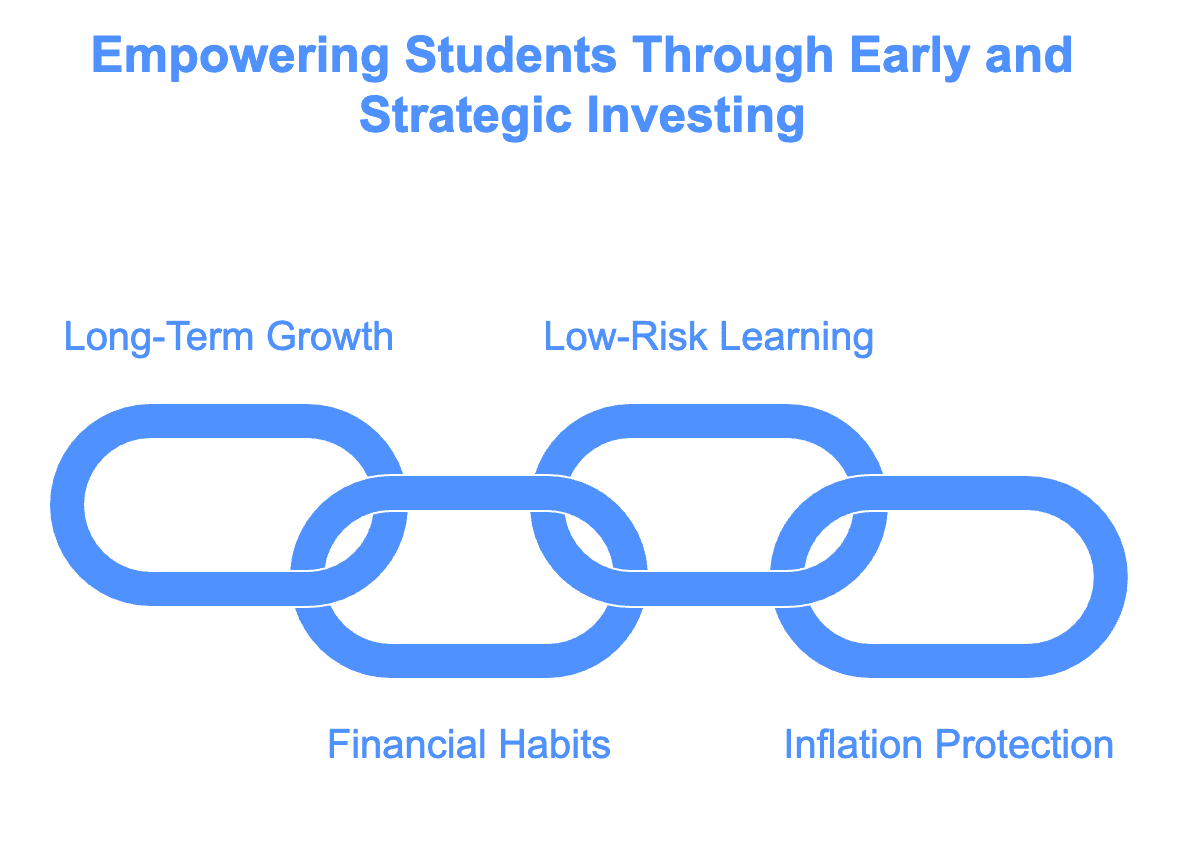
Many students hesitate to invest because they believe they don’t have enough money, but even small contributions can yield significant returns over time due to compound interest. Here’s why students should consider micro-investing early:
- Long-Term Growth Potential: Even modest investments can grow exponentially over decades. A student who invests just $10 per week could accumulate thousands by the time they reach their 30s.
- Building Good Financial Habits: Investing early fosters discipline in saving and financial planning.
- Learning Without High Risks: Micro-investing allows students to gain hands-on investing experience with minimal risk.
- Beating Inflation: Keeping money in a savings account alone means it loses value over time due to inflation. Investing helps maintain and grow wealth.
How to Get Started with Micro-Investing as a Student
If you’re new to investing, follow these simple steps to start your journey with micro-investing apps:
Step 1: Choose the Right Micro-Investing App
Each app has different features, so pick one based on your needs. If you prefer automatic investments, Acorns or Betterment might be the best fit. If you want more control over your portfolio, Robinhood or Stash could be better options.
Step 2: Set an Investment Budget
Start with a comfortable amount, even if it’s just $5 per week. The goal is to develop a habit rather than make large investments.
Step 3: Enable Automatic Investments
Most micro-investing apps offer automated investment options to ensure consistency. Round-up features and recurring deposits are excellent ways to build wealth passively.
Step 4: Diversify Your Portfolio
Investing in multiple assets [stocks, ETFs, bonds] reduces risk. Most micro-investing apps automatically diversify your investments, but it’s essential to understand where your money is going.
Step 5: Monitor and Adjust Over Time
While micro-investing is largely automated, it’s good practice to check your portfolio regularly. As your financial knowledge grows, you may want to explore new investment opportunities.
Common Concerns About Micro-Investing
1. Is Micro-Investing Really Worth It?
Yes! While micro-investing won’t make you rich overnight, it builds long-term financial stability. Small contributions accumulate over time, leading to substantial gains.
2. What if I Lose Money?
All investments carry some risk, but micro-investing platforms use diversified portfolios to minimize potential losses. As a student, it’s wise to invest only what you can afford to lose.
3. Are These Apps Safe?
Most fintech investment apps are regulated and offer security measures like encryption and fraud protection. Always check an app’s credentials before investing.
Conclusion: Small Steps, Big Future
Micro-investing is a game-changer for students who want to build wealth with minimal effort. Thanks to fintech innovations, investing is no longer limited to Wall Street professionals—it’s accessible to anyone with a smartphone. By leveraging spare change, automated investing, and fractional shares, students can start their journey toward financial independence without disrupting their daily budget.
The earlier you begin, the more you stand to gain. Whether you’re looking to save for future expenses, gain investing experience, or build financial security, micro-investing apps provide the perfect stepping stone. So, why wait? Start investing today, and watch your wealth grow—one dollar at a time.