
One critical challenge in a dynamic healthcare environment is ensuring seamless access to medicine for physicians and patients. This indispensable facet of the healthcare system truly warrants full attention.
As it is central to achieving optimal health outcomes, patients and physicians who struggle with the accessibility and uncontaminated distribution of life-saving substances become frustrated. For some, it may even decrease their quality of life and life expectancy.
Improving the flow and dispensation of drugs is thus crucial for more than one reason. Therefore, delve into the practical ways to make medicine accessible to everyone who needs it here:
The Issue of Medicine Accessibility
Before delving into solutions, it’s crucial to understand the gravity of the situation. Currently, half of the world’s population takes medication daily. Unfortunately, it’s possible that the other half may also need to take medication, but they have poor access, preventing them from receiving the drugs they need.
Today, countless people worldwide struggle with obtaining essential medications due to one or more of the following reasons:
- Prohibitive costs
- Supply chain disruptions
- Inadequate healthcare infrastructure
Because of these reasons, physicians grapple with the complexities listed below:
- Prescribing medicines
- Monitoring medication adherence
- Staying abreast of the latest pharmaceutical updates
The challenges of medication access are significant, with many people worldwide facing barriers. Also, these very same challenges create complexities for physicians. Therefore, finding solutions for them is crucial for improving medication access and healthcare outcomes for all.
Improving Pharmacies
Everyone deserves to have access to the medicines they need to stay healthy. However, getting the medicines they need can be challenging for some people, especially the ones with rare or chronic conditions or who need medications that are not available commercially. So, improving pharmacies to produce highly inaccessible drugs can greatly help patients.
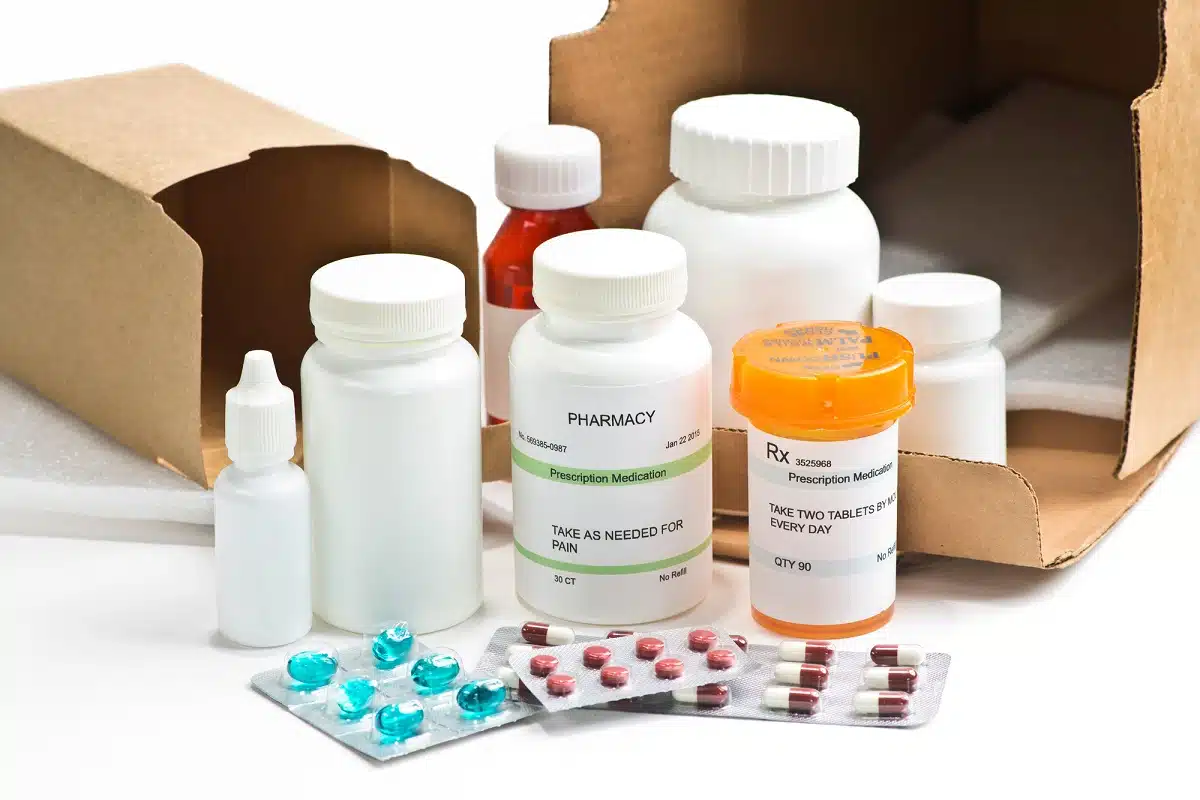
This can be done through sterile compounding. It’s the process of preparing medications in a pharmacy under strict sterile conditions. Pharmacies capable of doing this can make medications that are unavailable commercially, adjust the dose or strength of a medication, or make a medication that is more suitable for a patient’s needs.
However, this process has become uncommon because of the following factors:
- Compounding medicine is a highly specialized skill requiring training and certifications, which can be time-consuming and expensive to acquire.
- Compound medicine comes with risks. A sterile environment is necessary to reduce contamination but can also be costly.
Because of these factors, not all pharmacies can produce their medicines. Improving pharmacies and the process should be done to make more medicine more accessible, particularly the highly-inaccessible ones.
Streamlining Medicine Supply Chain

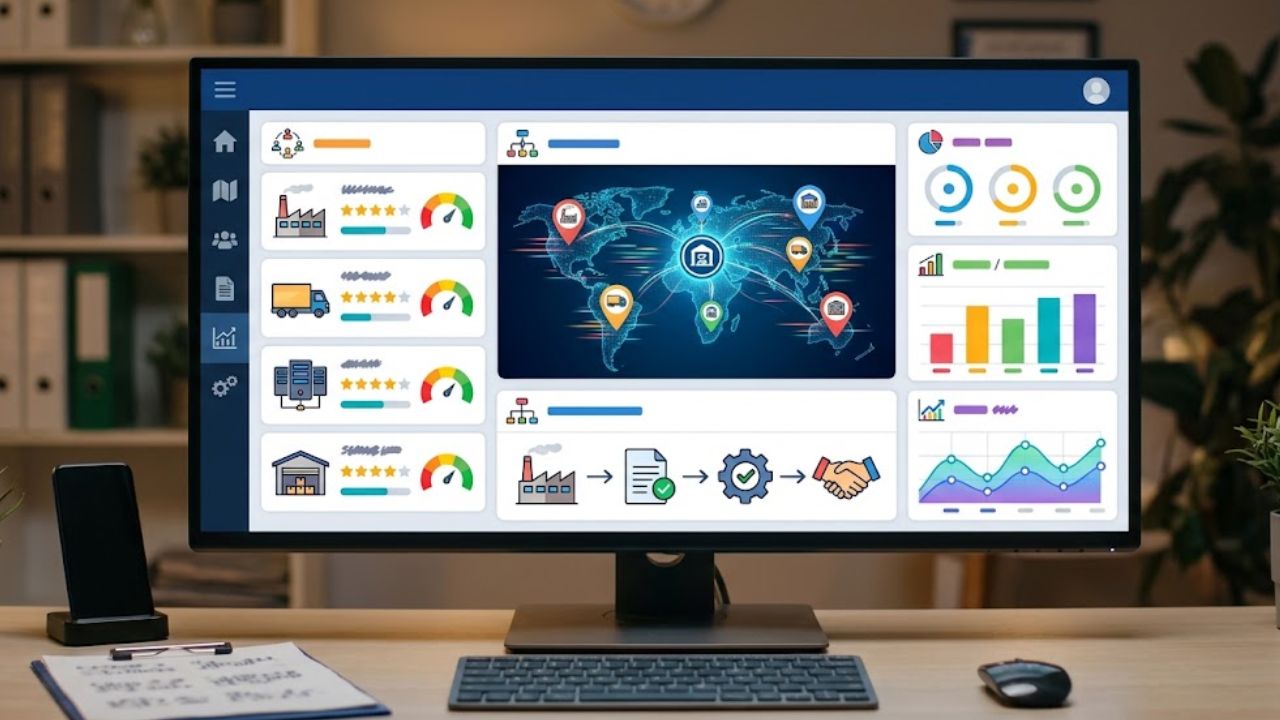
At the heart of improving medicine accessibility is refining the supply chain. For this reason, pharmaceutical companies, wholesalers, and pharmacies must collaborate to guarantee consistent drug delivery to the market.
One possible solution is to leverage modern technologies such as machine learning, automation, and artificial intelligence (AI). Experts speculate that it can enhance the transparency of supply chain processes, mitigate risks of drug counterfeiting, and assure timely distribution. Also, with it, secure and automated controlled substance provisioning in medical facilities can be feasible to prevent the misuse and theft of highly-controlled medications.
Revamping Healthcare Policies
The importance of equitable healthcare policies is often understated. Policymakers could strive to advocate more for regulations that support fair pricing of medicines and generic drug development.
Government programs that promote the following could be suitable solutions for many issues concerning medicine accessibility:
- Drug affordability: Tiered pricing options could give patients more choices to access cost-effective treatments for their health conditions.
- Patient assistance programs: In impoverished areas, these programs could allow patients to receive medication at zero cost or at a significantly reduced rate.
By championing these initiatives, healthcare policies could become more inclusive, leading to better health and well-being in communities worldwide.
Enhancing Pharmaceutical Literacy
For physicians, staying informed about new medications, their uses, and potential side effects is paramount. A viable option to support physicians with more insight is regular training sessions and webinars. Doing so can ensure they remain knowledgeable and confident in prescribing medicines.
Meanwhile, patients must understand their medications to ensure adherence to treatment regimens. Consequently, creating user-friendly, comprehensive patient education materials and leveraging digital tools to disseminate this information can play a vital role here.
Promoting Telemedicine
Telemedicine has emerged as a boon for ensuring medicine accessibility – particularly for rural and remote populations. Online consultations can also bridge geographical barriers, allowing patients to consult with physicians and receive prescriptions without leaving their homes.
Other benefits of telemedicine for medication accessibility could include the following:
- Improvement in turnaround time means patients don’t have to wait long before receiving their prescribed substances after consulting a physician.
- Save money on travel costs which patients can use to acquire medications.
- Access to various medications previously unavailable in the patient’s area.
Moreover, digital pharmacies can deliver medication directly to the patient’s doorstep, ensuring no one goes without their prescriptions due to location constraints. Delivery services are convenient for patients and doctors, who benefit from timely, accurate deliveries.
Implementing AI and Machine Learning
As mentioned a while ago, AI and machine learning hold vast potential in improving medicine accessibility. Predictive analytics can forecast drug demand, enabling timely production and distribution. Furthermore, it can aid physicians with hurdles in patient care like:
- Prescribe personalized treatment recommendations suggested by AI technology.
- Tracking patient adherence to ensure patients stay focused on their treatments.
Although these technological advances are still in their infancy, advancements happen daily at lightning speed. It may mean better applications geared specifically toward healthcare and medication distribution in the future.
Conclusion
Medicine accessibility is a multi-faceted issue, requiring concerted efforts from all stakeholders in the healthcare ecosystem. After all, every step toward enhancing medicine accessibility brings patients and physicians closer to a healthier, more equitable world.