

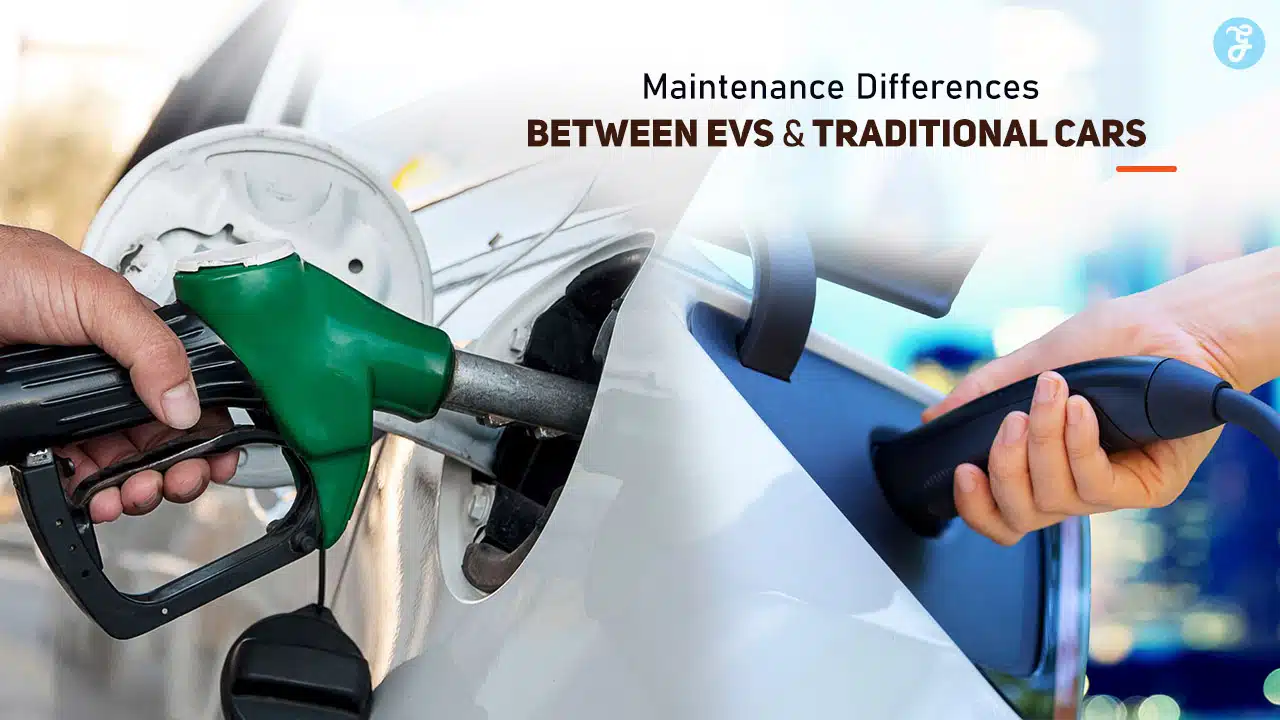
Electric vehicles (EVs) are revolutionizing the automotive industry, offering a cleaner and more efficient alternative to traditional gasoline-powered cars.
While EVs and traditional cars may look similar on the outside, their internal mechanics differ significantly, leading to unique maintenance requirements.
Understanding these differences is essential for drivers considering the switch to an EV or those looking to compare costs and upkeep between the two types of vehicles. In this article, we’ll explore 12 key maintenance differences between EVs and traditional cars, shedding light on how EVs can save time, money, and effort in the long run.
1. Oil Changes: Not Needed for EVs
Traditional cars rely on internal combustion engines (ICEs) that require regular oil changes to lubricate moving parts and prevent engine wear. EVs, on the other hand, operate on electric motors that don’t need oil, eliminating this recurring maintenance task.
Traditional Cars:
- Oil changes are typically required every 3,000–5,000 miles.
- Neglecting oil changes can lead to engine damage and reduced performance.
EVs:
- No oil changes are required, reducing maintenance costs and environmental waste.
Why It Matters:
Eliminating oil changes not only saves money but also contributes to a greener, more sustainable maintenance routine.
2. Brake Wear: Reduced in EVs
Brakes are a critical component o f any vehicle, but EVs benefit from regenerative braking systems that reduce wear on traditional brake pads.
Traditional Cars:
- Brake pads need regular replacement, often every 25,000–70,000 miles depending on usage.
- Frequent stop-and-go driving accelerates wear.
EVs:
- Regenerative braking captures energy during deceleration, reducing reliance on brake pads.
- Brake pads in EVs last significantly longer, often exceeding 100,000 miles.
Why It Matters:
Reduced brake wear in EVs translates to fewer replacements, lower maintenance costs, and improved efficiency.
3. Engine Maintenance: Simplified in EVs
Internal combustion engines are complex machines with numerous moving parts that require ongoing care. EVs rely on electric motors, which are far simpler and more reliable.
Traditional Cars:
- Require regular engine tune-ups, including spark plug replacements, timing belt adjustments, and fuel filter changes.
- Engine components are prone to wear and tear over time.
EVs:
- Electric motors have fewer moving parts, requiring minimal maintenance.
- No spark plugs, timing belts, or fuel filters to replace.
Why It Matters:
The simplicity of EV motors reduces the likelihood of mechanical failures and lowers long-term maintenance costs.
4. Transmission Maintenance: Easier for EVs
Traditional cars typically have multi-speed transmissions that require regular servicing, while most EVs use single-speed transmissions, simplifying maintenance.
Traditional Cars:
- Require transmission fluid changes and potential repairs due to wear and tear.
- Complex transmissions are prone to failure, leading to costly repairs.
EVs:
- Single-speed transmissions are simpler, reducing the need for frequent servicing.
- Transmission-related issues are rare in EVs.
Why It Matters:
Simplified transmissions in EVs minimize maintenance headaches and repair expenses.
5. Battery Maintenance: A Key Focus for EVs
The heart of an EV is its battery, which requires specific care to maintain performance and longevity. In contrast, traditional cars rely on smaller, less demanding 12-volt batteries.
Traditional Cars:
- 12-volt batteries need periodic replacement, typically every 3–5 years.
- Limited battery-related maintenance beyond replacement.
EVs:
- High-voltage lithium-ion batteries require monitoring for efficiency and degradation.
- Software updates and occasional cooling system checks may be necessary.
Why It Matters:
While EV batteries are durable, maintaining them properly is essential for maximizing range and lifespan.
6. Fuel System Maintenance: Eliminated in EVs
Traditional cars rely on complex fuel systems to deliver gasoline or diesel to the engine, while EVs have no fuel system at all.
Traditional Cars:
- Require maintenance of fuel pumps, injectors, and filters.
- Fuel system issues can lead to expensive repairs.
EVs:
- No fuel system eliminates the need for related maintenance or repairs.
Why It Matters:
EVs remove the potential for fuel system problems, simplifying upkeep and saving money.
7. Cooling System Maintenance: Different for EVs
Both EVs and traditional cars use cooling systems, but their requirements differ significantly.
Traditional Cars:
- Use coolant to prevent engine overheating.
- Require periodic coolant flushes and leak repairs.
EVs:
- Cooling systems manage battery temperature, ensuring optimal performance.
- Require less frequent maintenance compared to traditional cars.
Why It Matters:
The simpler cooling systems in EVs reduce the frequency and cost of maintenance.
8. Exhaust System: Nonexistent in EVs
Traditional cars rely on exhaust systems to manage emissions, while EVs produce zero emissions, eliminating this component altogether.
Traditional Cars:
- Require maintenance of mufflers, catalytic converters, and exhaust pipes.
- Exhaust leaks can be hazardous and require immediate repairs.
EVs:
- No exhaust system means no maintenance or emissions testing.
Why It Matters:
The absence of an exhaust system simplifies EV maintenance and contributes to their eco-friendliness.
9. Software Updates: More Common in EVs
EVs rely heavily on software for performance and features, requiring regular updates to stay optimized.
Traditional Cars:
- Software updates are rare and typically performed during dealer visits.
EVs:
- Updates are often delivered over-the-air (OTA), improving functionality and addressing potential issues.
Why It Matters:
Frequent software updates keep EVs running smoothly and often introduce new features without a trip to the service center.
10. Tire Wear: Similar but Enhanced Monitoring for EVs
Tires are crucial for both EVs and traditional cars, but EVs require closer monitoring due to their weight and torque.
Traditional Cars:
- Require regular rotations, alignments, and replacements based on mileage.
EVs:
- Heavier weight and instant torque can lead to faster tire wear.
- Special EV-specific tires are designed to handle the increased load.
Why It Matters:
Proper tire maintenance is essential for safety and efficiency, especially in EVs.
11. Regenerative Braking Maintenance: Unique to EVs
Regenerative braking in EVs not only saves energy but also reduces wear on traditional braking systems.
Traditional Cars:
- Brake pads and rotors require regular maintenance and replacement.
EVs:
- Regenerative braking decreases the need for traditional brake maintenance.
Why It Matters:
This feature extends the life of brake components, lowering maintenance costs for EV owners.
12. Cost of Routine Maintenance: Lower for EVs
Overall, EVs have fewer moving parts, resulting in significantly lower routine maintenance costs compared to traditional cars.
Traditional Cars:
- Require frequent maintenance, including oil changes, brake servicing, and engine tune-ups.
- Higher likelihood of mechanical issues over time.
EVs:
- Simplified systems lead to fewer service visits and lower overall costs.
Why It Matters:
The cost savings from reduced maintenance make EVs an appealing choice for long-term ownership.
Conclusion
The differences in maintenance between EVs and traditional cars highlight the innovative simplicity of electric vehicles.
While EVs eliminate many common maintenance tasks like oil changes and exhaust repairs, they introduce new considerations such as battery care and software updates.
For drivers seeking a lower-maintenance, eco-friendly option, EVs are a clear winner.
Understanding these 12 maintenance differences can help you make an informed decision about which type of vehicle best suits your lifestyle and budget.






















