

Many e-commerce sellers struggle with slow parcel delivery and complex freight forwarding across Europe. Germany hosts leading logistics companies known for strong supply chain management and real-time tracking.
In this post, we profile the top 10 logistics companies in Germany and explain how they use warehousing solutions, IoT sensors, automated guided vehicles, and AI tools to speed up transit.
Stay tuned.
Key Takeaways
- DHL Group leads the top ten. It logged €63.3 bn in turnover for 2019. It employs 74,078 people in Germany and 547,000 globally. It uses AI, IoT sensors, AGVs, cloud systems, and RPA to speed freight forwarding and warehousing.
- DB Schenker, based in Essen, posted €17.1 bn in 2019 revenue. It moves goods by truck, train, ship, and plane. It runs an ERP platform, IoT sensors, and predictive analytics for real-time tracking.
- Kuehne + Nagel, headquartered in Bremen, earned 25.3 bn Swiss francs in 2019. It offers sea, air, and overland transport plus contract logistics. It taps sensor networks, automation bots, and a cloud platform to manage shipments.
- German firms power green logistics. They install solar panels on warehouses, use hybrid and electric trucks, and adopt green packaging. They cut CO2 to meet EU emission rules and boost sustainability.
- Logistics teams deploy self-driving carts, automated cranes, and RPA in warehouses. They pull data from IoT sensors and run AI route planning. These tools sort orders in minutes and speed parcel delivery across Europe.
DHL Group
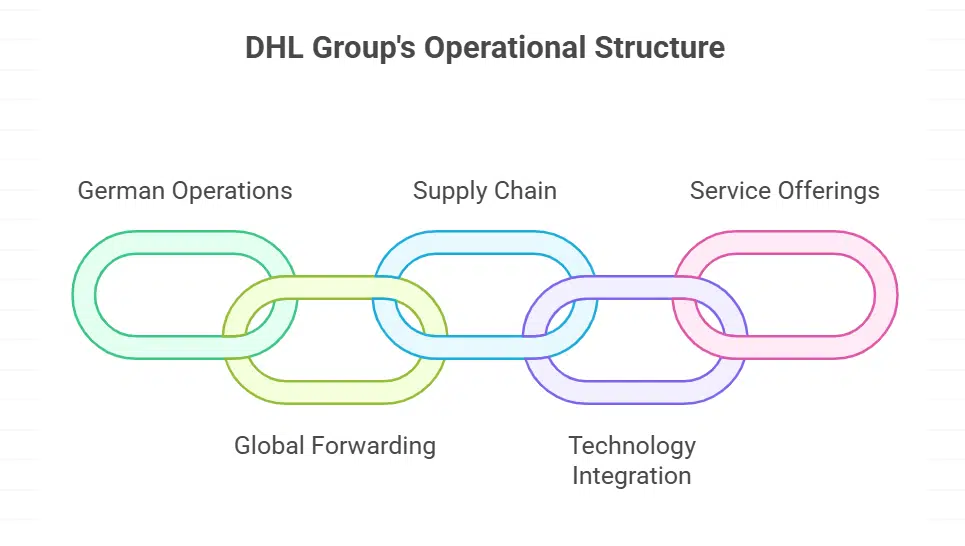
DHL Group set up its base in Bonn, North Rhine-Westphalia, Germany, back in 1969. It posts revenue between $500 million and $1 billion in its local market. It logs about €63.3 billion in turnover from 2019.
The German arm uses 74,078 staff to run logistics services at home. The global team hires 547,000 people for freight forwarding and contract logistics. The group spans 41,000 people in Global Forwarding/Freight and 146,000 in Supply Chain.
Leaders tap real-time tracking and Internet of Things devices on cargo. They link freight forwarding services to contract logistics in key hubs worldwide. Teams use AI, cloud-based systems, AGVs and robotic process automation to speed order flows.
They offer warehousing solutions, retail logistics and e-commerce logistics in major centers. They handle sea freight, last-mile delivery and supply chain management across borders.
DB Schenker
DB Schenker runs its head office in Essen, Germany. It posted a 2019 turnover of 17.1 billion euros. The business employs over 76,000 people worldwide, including 17,000 in Germany.
It moves goods by trucks, trains, ships and planes across Europe. Its offerings span land transport, sea and air freight, and contract logistics.
The logistics provider boosts supply chain management with an ERP platform and IoT sensors for real-time tracking. It leads freight forwarding services that tap predictive analytics and robotic process automation.
The group runs warehousing solutions and e-commerce logistics for online retailers. This service provider handles cargo boxes at port facilities and manages global supply chains smoothly.
Kuehne + Nagel
Headquartered in Bremen, Germany, Kuehne + Nagel leads in freight forwarding. It posted 25.3 billion Swiss francs in turnover in 2019. The firm employs about 15,000 people in Germany.
It fills its offerings with sea and air freight plus overland transportation. Contract logistics drives its warehousing solutions.
Clients tap sensor networks for real-time tracking. Automation bots speed up loading and sorting. Teams use a cloud platform to run transportation management. Experts shape supply chain management across Europe.
Dachser
Dachser sits in Kempten, Bavaria, Germany. The group launched in 1930. The firm employs 9,601 in Germany and about 31,000 around the world. It earned between $500 million and $1 billion in revenue and logged €5.7 billion turnover in 2019.
Dachser handles freight forwarding, supply chain management, and warehousing solutions for retail logistics and e-commerce logistics.
Real-time tracking uses Internet of Things sensors. The team runs cloud-based ERP systems to boost operational efficiency. Advanced AI models and robotic process automation speed up routes.
This tech lowers carbon emissions and boosts green logistics. Clients gain tighter inventory management and better freight forwarding services. Dachser blends transportation management tools with smart solutions.
Rhenus Group
Rhenus Group ranks among Germany’s top ten logistics companies. It offers contract logistics, warehousing solutions, and freight forwarding services. This logistics provider moves goods across Europe with speed and accuracy.
Its work boosts European trade every day. Customers get supply chain management tools plus real time tracking for each shipment.
Leaders at Rhenus tap IoT and AI to cut costs and speed delivery. Smart sensors provide real time data on temperature and location. Clients get customized dashboard views for each shipment.
The firm installs solar panels at select warehouses to lower its carbon emissions. This green logistics model supports environmental sustainability across all sites.
Hellmann Worldwide Logistics
Hellmann Worldwide Logistics runs air and sea freight, road and rail transport, and contract logistics from a family base. The team handles global supply chain tasks, from freight forwarding services to warehousing solutions.
IoT, AI, and machine learning boost real-time tracking and speed cargo handling. Workers use electric forklifts and cloud software in hubs across Europe.
The firm taps free trade agreements to slash tariffs and open new lanes. It uses hybrid vehicles, wind energy, and solar panels to cut emissions. Leaders call it a green logistics pioneer in sustainable logistics.
UPS
UPS leads parcel delivery across Germany and beyond. It ranks among logistics companies in Germany that top ten lists praise. It runs like a well-oiled machine, moving parcels as fast as lightning.
It uses cloud-based real-time tracking and robotic process automation to speed supply chain management. It links warehousing solutions with freight forwarding services to serve clients.
The firm cuts carbon emissions with electric and hybrid vehicles. It uses AI, machine learning for route optimization. The company pairs with global logistics partners under free trade agreements, boosting cross-border shipping.
It helped German logistics hit about 279 billion euros in turnover in 2019, sparking regional growth.
DSV
DSV is a Danish freight forwarder that ranks among the top 10 logistics companies in Germany. The firm offers freight forwarding services, warehousing solutions, and contract logistics across Europe.
It uses online hubs and a sensor network for real-time tracking of every shipment. The team speeds up supply chain management and transportation management with clear data. DSV serves e-commerce logistics and retail clients, and it supports the global supply chain with road, rail, air, and sea options.
The company installs green technologies in its terminals and trucks to cut carbon emissions for more sustainable logistics. Its staff runs lean operations using machine learning and robotic process automation.
Leadership drives trade in Europe through digital platforms that link shippers and carriers. Teams handle container shipping and pallet delivery with visible freight data. DSV stays ahead with a focus on logistics innovation and eco-friendly services.
Hapag-Lloyd AG
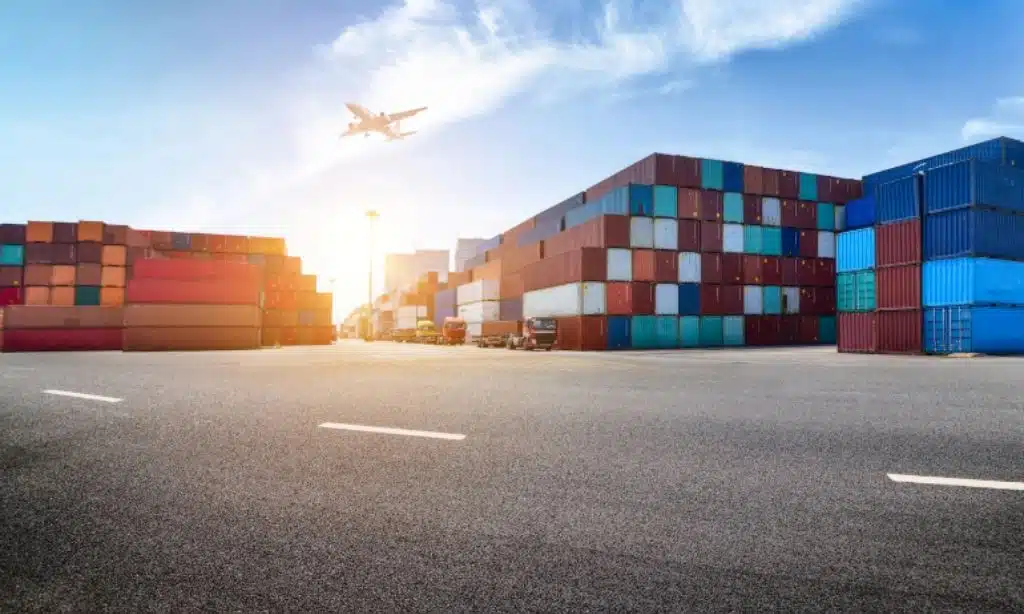
Hapag-Lloyd AG runs container ships. It loads cargo crates at container ports. The company moves millions of twenty-foot equivalent units each year. Smart sensors feed live tracking updates.
Headquarters in Hamburg seat the coordination hub. The team holds 9,846 experts in transport, internet services, and administrative services. Freight forwarding services speed cargo across oceans.
Real-time tracking and cloudbased tools drive logistics innovation. Revenue tops $1 billion annually.
Green logistics efforts cut the environmental footprint. Renewable energy sources power key terminals. Waste reduction and reuse drive sustainable logistics. E-commerce logistics teams handle online retail orders.
Automated workflows use artificial intelligence and robotics for faster freight handling. Contract logistics spans warehousing solutions and lift vehicles at yards. The network links container ports with global supply chain partners.
Hapag-Lloyd AG ranks among top logistics service providers in Germany.
HHLA (Hamburger Hafen und Logistik AG)
Hamburg hosts the port operations of HHLA. The company began in 1885 and now employs 449 workers. It pulls in over $1 billion in revenue each year.
Staff use real-time tracking, IoT, and RPA across terminals. They move shipping containers with forklift trucks and automated cranes. Their efforts boost freight forwarding, warehousing solutions, and contract logistics.
The Role of Technology in German Logistics
German logistics firms run self-driving carts in large warehouses. These carts zip down aisles, picking crates and pallets. It feels like a mini robot parade in these halls. Staff watch each move on screens.
They use robotic process automation to sort orders in minutes. They pull data from connected sensors to find each box. This mix shapes modern warehousing solutions and cuts wait times.
Companies such as DHL Group and DB Schenker tap this tech for faster freight forwarding and parcel delivery. These feats boost supply chain management across Europe.
Machine learning tools scan data from Internet of Things sensors in real time. They spot peaks in order flow and adjust schedules. AI software picks routes that cut miles and shave hours.
This smart planning lowers fuel use and lifts delivery speed. Solar panels on rooftops and wind turbines beside loading docks power the gear and trim carbon emissions. This green logistics push fights climate change and saves on fossil fuels, a win for sustainable logistics and global supply chains.
Sustainability Initiatives in the Logistics Sector
Logistics teams cut carbon with energy-efficient warehouses. Businesses adopt green packaging to shrink waste in every box. Smart route optimization software picks lean paths and avoids traffic jams.
Hybrid and electric trucks slash emissions on highways. Real-time tracking with RFID readers speeds freight forwarding and lifts service. This blend of green logistics, supply chain management, and warehousing solutions powers e-commerce logistics without guilt.
Analysts tap connected sensors to track pallets and gauge temperature in real time. Machine learning spots delivery snags before they grow into big delays. Automation scripts handle repetitive tasks, they free staff for the fun work, not the boring stuff.
These tools tie into transportation management platforms and cut fuel use. Leading logistics companies in Germany embrace these advances to boost green logistics.
Challenges Facing Germany’s Logistics Industry
Tight emission rules push firms to cut CO2 fast, digital operation laws add more red tape. Many carriers scramble to meet new EU standards and comply with digital compliance rules in 2024.
Smart tools like sensor nodes and robotic process automation speed warehouse moves, but some providers face steep tech costs. Supply chain management teams tap artificial intelligence and real-time tracking tools to follow parcels and trucks, but that also stresses IT skills.
An aging crew leaves open spots for freight forwarding and e-commerce logistics roles. Firms struggle to hire tech savvy staff for contract logistics and warehousing solutions. Rising online orders force more trucks, more pick packs and more software tweaks.
Some logistics leaders install green logistics gear from Linde Material Handling or Kion Group AG to shrink fuel use, others sign on with digital firms for cloud warehousing. This demand adds strain on training budgets and speeds need for scalable technologies.
Takeaways
Logistics firms keep goods moving, and these ten giants lead the charge in supply chain management. They deploy real-time tracking, AI, IoT and robotic process automation to speed up freight forwarding.
They cut carbon output with green logistics and recycled packaging. Their contract logistics solutions drive e-commerce growth from Berlin to Barcelona. Readers can use Surfe App data to connect with top logistics providers.
They hit the ground running and keep the wheels turning across Europe.
FAQs on Logistics Companies in Germany
1. What makes logistics providers in Germany key to European trade?
They link suppliers to stores, like clockwork. They manage freight forwarding, warehousing solutions, and transport. They use IoT, real-time tracking, AI, and RPA to cut waste, and boost green logistics.
2. Who are top freight forwarders in Germany?
The freight forwarder DB Schenker and shipping line Hapag-Lloyd AG lead the list. Deutsche Post and Geopost as parcel couriers join them. They offer freight forwarding services, retail logistics, e-commerce logistics, and contract logistics.
3. How do warehouse operators boost retail and e-commerce logistics?
A warehouse operator like BLG Logistics sets up smart storage. They work with forklift maker Linde Material Handling to move goods. They use maintenance plans and push for recycled packing to help sustainable logistics.
4. How does a parcel courier power parcel delivery across Europe?
A parcel courier zips packages from door to door. It uses real-time tracking, AI, and IoT. It cuts waste generation and helps fight climate change.
5. How do IoT and AI drive logistics innovation?
IoT sensors track loads on ships, trucks, and in warehouses. AI and RPA sort data fast, plan the best routes, and foretell delays. They also cut plastics use and lower landfill risks.
6. How do these companies support the global supply chain?
They apply strong supply chain management and transportation management. They link land, sea, and air. They match the right goods to the right market with speed and care.





















