

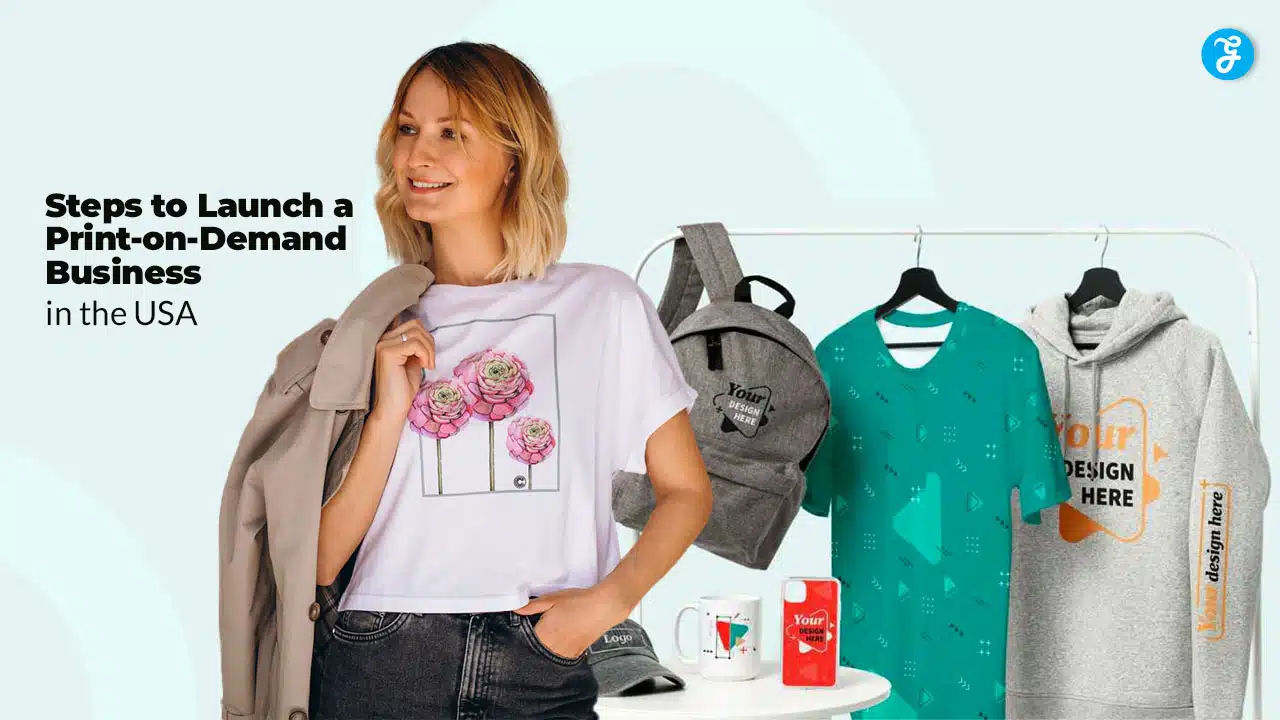
Starting a print-on-demand (POD) business in the USA is an exciting and scalable way to enter the e-commerce world.
With low upfront costs and the ability to create custom designs, POD businesses are perfect for entrepreneurs who want to sell unique products without the hassle of managing inventory.
This step-by-step guide will walk you through the process of launching your POD business, from choosing a niche to setting up your store and marketing your products effectively.
How to Launch a Print-on-Demand Business in the USA?
Here are the step by step guide to start print-on-demand business in the USA:
Step 1: Choose a Profitable Niche
The first step in launching a successful POD business is to identify a niche. A niche allows you to target a specific audience, making it easier to design products that cater to their preferences.
Tips for Finding a Niche:
- Research Trends: Use tools like Google Trends or Trendhunter to find popular niches.
- Assess Demand: Check marketplaces like Etsy or Amazon to see what’s trending.
- Evaluate Competition: Ensure the niche isn’t overly saturated.
- Choose Something You’re Passionate About: This will keep you motivated.
Examples of Popular Niches:
| Niche | Target Audience |
| Eco-Friendly Products | Environmentally conscious consumers |
| Pet Lovers | Cat or dog owners |
| Motivational Apparel | Entrepreneurs and fitness enthusiasts |
| Pop Culture Themes | Fans of TV shows, movies, or memes |
Step 2: Decide What Products to Sell
Once you’ve chosen your niche, select the products you want to offer. Print-on-demand services can customize a wide range of items.
Popular POD Products:
- T-shirts, hoodies, and tank tops.
- Mugs, water bottles, and tumblers.
- Tote bags, backpacks, and fanny packs.
- Phone cases, stickers, and posters.
Tips for Product Selection:
- Choose products that align with your niche.
- Start small and expand as demand grows.
- Test samples to ensure quality.
Table of Product Costs:
| Product | Base Price (Approx.) | Average Retail Price |
| T-shirt | $7-$12 | $20-$30 |
| Mug | $5-$8 | $15-$20 |
| Tote Bag | $8-$12 | $20-$25 |
Step 3: Create Custom Designs
Unique and high-quality designs are the heart of a successful POD business. Your designs should resonate with your target audience and fit your chosen niche.
Design Tips:
- Use Free or Paid Tools: Platforms like Canva, Adobe Illustrator, or Procreate can help create designs.
- Hire Designers: Use websites like Fiverr or Upwork if you lack design skills.
- Follow Trends: Incorporate seasonal themes, memes, or cultural trends to attract attention.
- Avoid Copyright Issues: Always use original artwork or purchase commercial-use licenses for images and fonts.
Additional Resources:
- Creative Market: A platform for purchasing design assets such as fonts and templates.
- Dribbble and Behance: Ideal for finding freelance designers for custom projects.
- Merch Informer: A research tool tailored for POD sellers to identify trending designs.
Step 4: Choose a Print-on-Demand Platform
POD platforms handle the printing, packaging, and shipping of your products. The right platform will depend on your needs and budget.
Popular POD Platforms in the USA:
| Platform | Key Features | Fees |
| Printful | Wide product range, integration with major e-commerce platforms | Pay per product |
| Printify | Multiple printing partners, competitive pricing | Pay per product |
| Teespring | Built-in marketplace | No upfront fees |
| Redbubble | Large built-in audience | Revenue share model |
How to Choose:
- Look for integration with your preferred e-commerce platform.
- Compare product quality and shipping times.
- Assess profit margins by calculating base costs and retail prices.
Pro Tip: Create sample products using multiple platforms to compare quality, shipping speed, and customer service before committing.
Step 5: Set Up Your Online Store
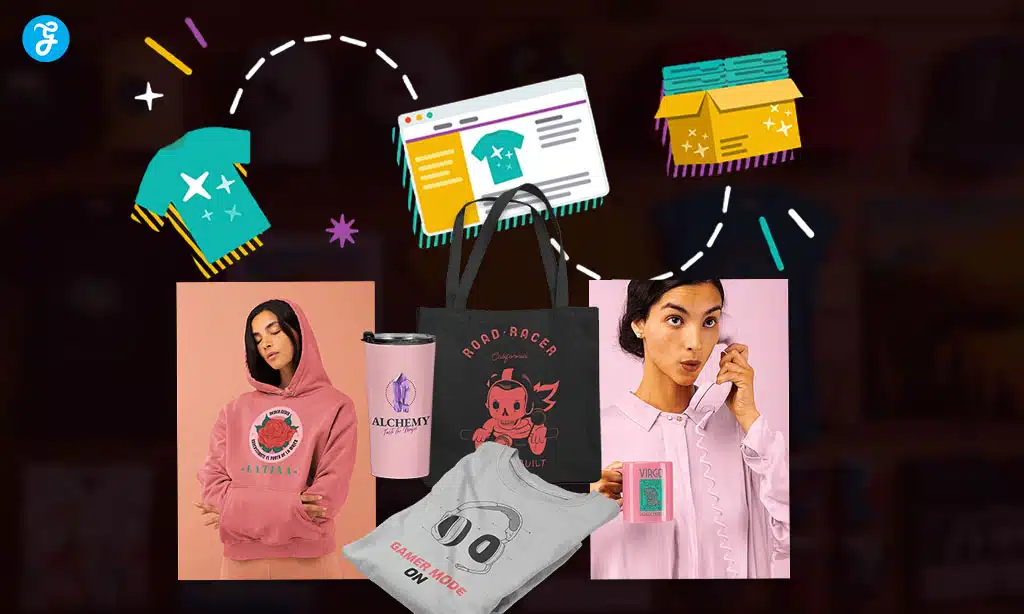
Your online store is the face of your business. You can use platforms like Shopify, Etsy, or WooCommerce to create your store.
Steps to Set Up Your Store:
- Choose a Domain Name: Use a unique and memorable name that reflects your niche.
- Design Your Storefront: Use templates or themes to create an attractive website.
- Add Products: Upload high-quality product images, write engaging descriptions, and set competitive prices.
- Set Up Payment Methods: Enable options like PayPal, credit cards, and Apple Pay.
| Platform | Pros | Cons |
| Shopify | Easy to use, great for beginners | Monthly subscription fees |
| Etsy | Access to a large customer base | High transaction fees |
| WooCommerce | Fully customizable, open-source | Requires hosting setup |
Store Design Tips:
- Include customer reviews to build trust.
- Add a FAQ section addressing common questions about shipping, returns, and customization.
- Optimize your store for mobile devices to enhance user experience.
Step 6: Set Your Pricing Strategy
Pricing your products correctly is crucial to maintaining profitability. Factor in the cost of production, shipping, and platform fees.
Pricing Formula: Retail Price = (Production Cost + Shipping Cost) × Markup (2-3x) + Platform Fees
Example:
| Product | Production Cost | Shipping | Markup | Retail Price |
| T-shirt | $10 | $5 | 2.5x | $37.50 |
Additional Pricing Strategies:
- Offer discounts for bulk orders or first-time customers.
- Use tiered pricing for product bundles to increase average order value.
- Monitor competitors’ prices to stay competitive without sacrificing profit margins.
Step 7: Launch Your Store and Promote It
Once your store is set up, it’s time to launch and attract customers. Effective marketing is key to driving traffic and sales.
Marketing Strategies:
- Social Media: Use Instagram, Facebook, and Pinterest to showcase your products.
- Influencer Collaborations: Partner with influencers in your niche to increase visibility.
- Content Marketing: Write blog posts or create videos that highlight your products.
- Paid Advertising: Run ads on platforms like Facebook and Google to reach a wider audience.
| Platform | Best Use | Cost Range |
| Instagram Ads | Visual product promotion | $5-$50/day |
| Google Ads | Search engine visibility | $10-$100/day |
| Facebook Ads | Targeted audience engagement | $5-$100/day |
Pro Tips for Promotion:
- Use social media scheduling tools like Hootsuite or Buffer to maintain consistent posting.
- Create engaging content, such as behind-the-scenes videos or customer testimonials, to build trust.
- Leverage email marketing to announce new products, sales, or promotions.
Step 8: Offer Excellent Customer Service
Providing exceptional customer service is crucial for building trust and ensuring repeat business.
Tips for Great Customer Service:
- Respond promptly to inquiries and complaints.
- Provide clear information about shipping and returns.
- Use chatbots or automated responses for common queries.
- Gather feedback and continuously improve.
Customer Service Tools:
| Tool | Purpose | Cost |
| Zendesk | Customer support management | $19+/month |
| Tidio | Live chat and chatbot features | Free or $18+/month |
| Freshdesk | Ticketing and automation | Free or $15+/month |
Step 9: Analyze Performance and Optimize
Regularly review your business performance to identify areas for improvement.
Key Metrics to Track:
- Sales Data: Analyze top-selling products and overall revenue.
- Website Traffic: Use tools like Google Analytics to monitor traffic and user behavior.
- Customer Feedback: Adjust product designs or policies based on reviews.
Optimization Tips:
- A/B test different product descriptions, prices, and advertisements.
- Identify and replicate successful marketing strategies.
- Use heatmaps (via tools like Hotjar) to see how customers interact with your website.
Step 10: Scale Your Business
Once you’ve established a successful POD business, consider scaling it to increase profits.
Ways to Scale:
- Introduce new product lines or expand into related niches.
- Sell on additional platforms like Amazon or eBay.
- Invest in advanced marketing strategies like retargeting ads.
- Automate processes to save time and focus on growth.
Tools for Scaling:
| Tool | Purpose | Cost |
| Oberlo | Automates product sourcing | $29.90+/month |
| Klaviyo | Advanced email marketing | Free or $20+/month |
| AdRoll | Retargeting ads | $25+/month |
Final Words
Starting a print-on-demand business in the USA can be both rewarding and profitable if done right.
By following these 10 steps—from niche selection to scaling—you’ll set yourself up for success in the competitive world of e-commerce.
Remember, consistency and creativity are key to building a POD brand that stands out. Take the leap and start your entrepreneurial journey today!





















