

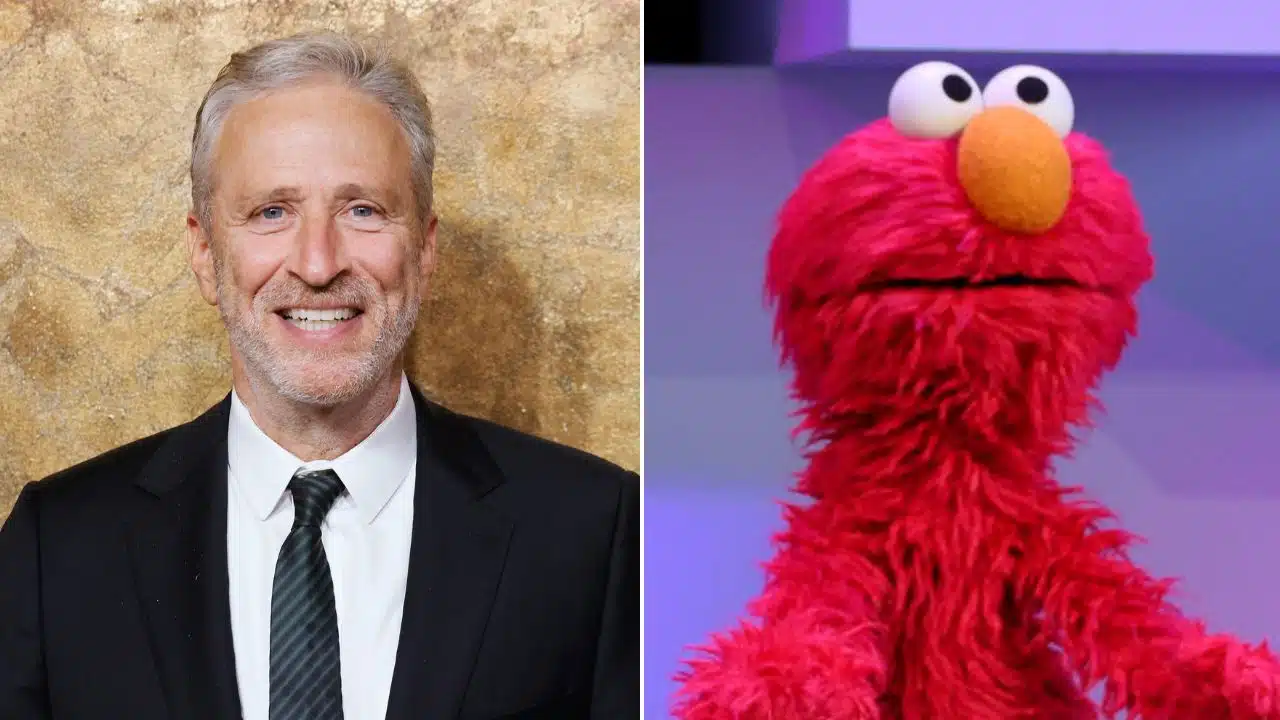
A surprising and unsettling incident unfolded on social media recently when the official X account (formerly Twitter) of Elmo, the iconic red puppet from Sesame Street, was hacked. The account, usually known for cheerful and educational messages aimed at children and families, became a platform for hateful and offensive content over the weekend. In response, comedian Jon Stewart used his platform on The Daily Show to turn the incident into a satirical moment, delivering a sharp commentary on the risks of online radicalization, political manipulation, and the absurdity of internet culture.
Elmo’s Hacked Account Shocked Fans and Families Worldwide
The hacking incident took place on Sunday when Elmo’s verified X account began sharing messages that contained antisemitic, racist, and extremist views. These posts, which are in direct conflict with the values of the Sesame Street brand and its creators, quickly caught the attention of the public and sparked outrage across the internet.
Many fans were stunned to see the beloved children’s character associated with language and ideologies completely opposite to what the Muppet represents. Elmo, who has been a symbol of kindness, learning, and innocence for decades, suddenly became linked to hateful ideologies due to the actions of unknown bad actors.
Sesame Workshop Confirms Breach and Condemns Content
Following the unexpected posts, Sesame Street’s parent organization, Sesame Workshop, released a formal statement through Elmo’s Instagram account. They confirmed that the X account had been compromised by an external party. While they emphasized that appropriate security measures had been in place, the hack still occurred.
The organization expressed strong disapproval of the offensive content posted during the breach. They clarified that the messages did not represent their values and made it clear that no one affiliated with Sesame Workshop was involved in the incident. The account was promptly secured, and the inappropriate posts were removed.
Sesame Workshop has long stood for values such as diversity, inclusion, tolerance, and education. The organization’s programming and outreach have served children globally for more than 50 years, making the incident particularly troubling for educators and parents who rely on Sesame Street as a trusted source of content.
Jon Stewart Uses Satire to Address the Hack on The Daily Show
In the aftermath of the hacking controversy, comedian and political commentator Jon Stewart decided to address the bizarre situation on The Daily Show. Known for his sharp wit and ability to turn current events into teachable moments, Stewart used a puppet resembling Elmo to deliver a comedic yet thought-provoking skit.
The segment began with Stewart acknowledging that he had previously collaborated with Elmo on several occasions and that he, like many others, was stunned by what had happened. He then brought out a puppet that looked like Elmo and launched into a parody interview with it.
Using the puppet, Stewart humorously explained that the hacker had exploited a weak password, poking fun at common cybersecurity mistakes. But then the skit took a darker turn, with the puppet version of Elmo admitting that it had not been hacked at all—instead, it had supposedly been “radicalized” by spending too much time in certain toxic corners of the internet.
The character described how an innocent internet search had led him down a rabbit hole of misinformation and extremist views, a situation that mirrors how real-life users, especially young and vulnerable individuals, can be drawn into online echo chambers and radicalized by algorithms.
The Skit Explores Broader Social and Political Issues
As the segment continued, Stewart used satire to raise important questions about online influence, political extremism, and the role of public broadcasting. Through the voice of the puppet, he touched on how some individuals become isolated and begin searching for meaning in online communities that push harmful ideologies.
The puppet then launched into a parody of right-wing talking points, mocking the language often used in culture wars, online forums, and conspiracy communities. Stewart played the straight man, trying to bring the character back to reality, while the puppet doubled down, adding absurd justifications for why it had adopted such views.
At one point, the sketch made a reference to the ongoing political debate around public broadcasting funding in the United States. This was a direct nod to previous efforts by former President Donald Trump and some members of Congress to eliminate federal support for the Corporation for Public Broadcasting, which supports PBS—Sesame Street’s original home. These cuts were justified by claims that PBS programming has a liberal bias, even though it primarily focuses on educational content for children.
The puppet, pretending to be desperate for survival, said it had pretended to join the alt-right just to protect funding for children’s education, underscoring how political satire can be used to reflect real-world anxieties in exaggerated but impactful ways.
Parody Meets Reality: Stewart Balances Humor with Critique
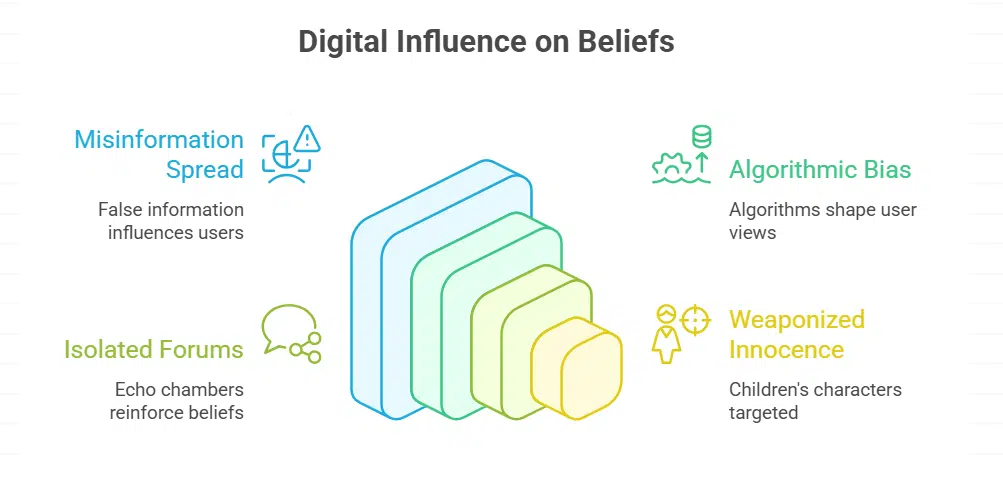
Despite the skit’s comedic delivery, Stewart’s performance offered an insightful look into how digital platforms can warp reality. It was a warning about how misinformation, unchecked algorithms, and isolated internet forums can influence users’ beliefs and behaviors.
He also called attention to how influential children’s characters—trusted by generations of parents and educators—can become targets in the culture war simply by being visible online. While the puppet Elmo made exaggerated claims and threw satirical jabs at politics and the media, the underlying message was clear: even the most innocent corners of the internet are vulnerable to being weaponized.
The Importance of Digital Security and Media Literacy
This incident serves as a stark reminder of the importance of robust digital security, especially for public-facing accounts that represent iconic institutions. It also highlights the growing need for media literacy, both among children and adults, to help individuals recognize false information and avoid falling into extremist content traps.
The rapid spread of misinformation online—often driven by algorithms designed to maximize engagement, not truth—remains one of the biggest challenges facing social media platforms and society at large. Satire like Stewart’s may make us laugh, but it also forces us to confront uncomfortable truths about how easily narratives can be twisted in today’s digital landscape.
A Teachable Moment for Parents, Educators, and Social Media Platforms
While the incident involving Elmo’s account has now been resolved, it opens up broader conversations. For parents and educators, it’s a chance to talk with children about online safety and the importance of protecting personal information. For media professionals and public figures, it reinforces the need for vigilant cybersecurity practices.
For social media platforms, this is yet another example of why proactive content moderation and security measures must be prioritized—especially for accounts that represent organizations trusted by the public.
In the end, Elmo’s brief and unintended brush with extremist content became a moment of cultural reflection, thanks to Jon Stewart’s unique ability to combine humor with critical insight. What started as a disturbing hacking incident turned into a much-needed conversation about digital responsibility and the influence of online spaces on our beliefs, identities, and even childhood icons.





















