

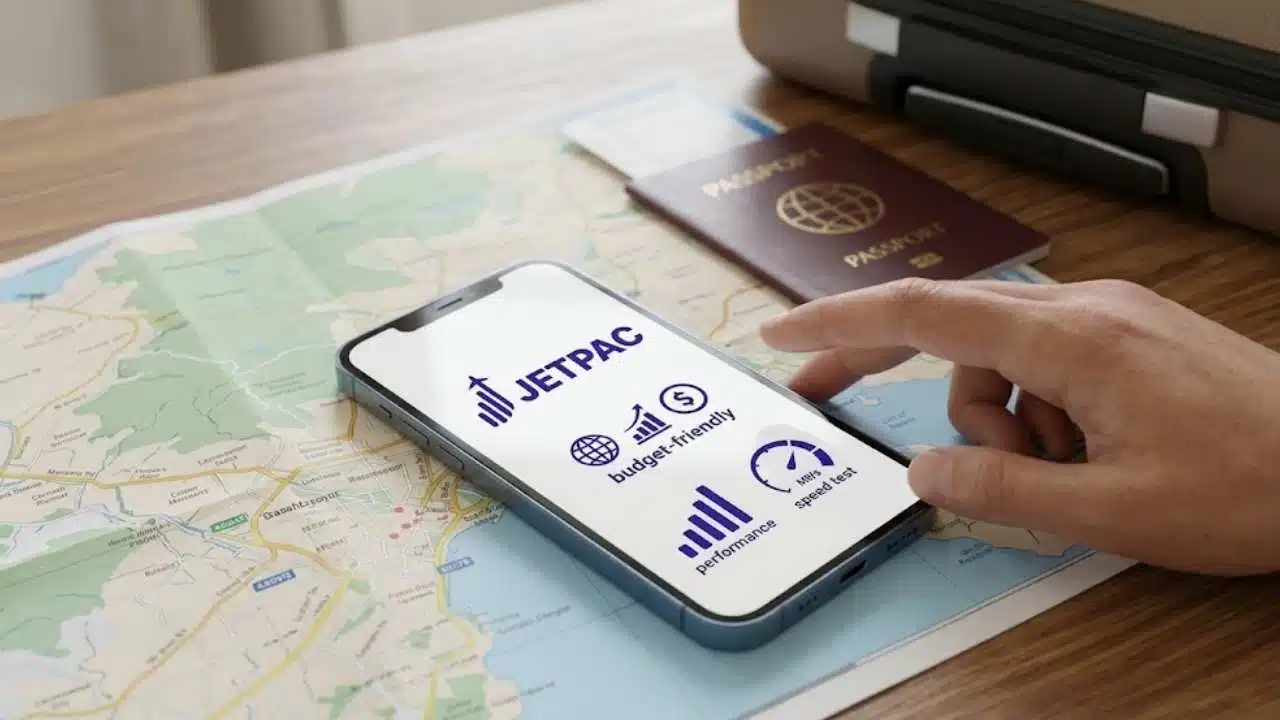
Airports have a way of turning small delays into long, annoying waits. You are sitting under harsh lights, your water is running low, and you are refreshing the same screen again and again. A Travel eSIM helps in that moment because your maps, messages, and booking emails stay reachable, even when airport WiFi is slow. If you have been searching for the best eSIM for international travel, it helps to look at what you actually get day to day, not just the headline perk.
Features that Matter in Real Travel
The core appeal is simple: flexible plans and wide coverage. The provider sells packs with validity ranging from short trips to long stays, including options that run up to a full year for global plans.
If you travel often or carry a second device, the hotspot policy is a practical win. Tethering is described as available without extra fees or artificial caps, which is useful on train rides, in hotel rooms with weak WiFi, or when you are sharing data with a companion.
There is also a voice add-on for times when you need to call a hotel, restaurant, or local number that will not take WhatsApp. Voice packs are listed from USD 1.99 for 5 minutes, and the coverage is framed around 50 plus countries.
The standout extra is SmartDelay style lounge access when a flight delay crosses the threshold. Official help docs describe eligibility when a delay exceeds 60 minutes, with a LoungeKey voucher sent to you.
Pricing, Without Guesswork
Pricing varies by destination, validity, and data size, so it is hard to give one number that fits every trip. What you can take as a useful signal is that some destination pages are marketed as starting from USD 1, and there are also short trip unlimited options mentioned for 7 and 10-day windows in selected destinations.
The clean way to think about value is this:
- If you are doing a short city break, you pay for convenience and a quick setup, then you move on.
- If you are doing multi-country travel or longer stays, longer validity packs can reduce the constant top-up feeling.
Performance in Cities and Quieter Areas
In 2026, performance is mostly about consistency. The provider describes typical 4G reliability in urban areas, with 5G available where it is widely deployed. That usually covers maps, ticket QR codes, ride bookings, and video calls. Rural performance varies by country and local network reach, which is the honest reality for any travel data setup.
Support is described as available through WhatsApp and email, with response time expectations shared in their review content. That matters when your eSIM installs fine at home but acts up after landing.
Connectivity
Reliable internet is what keeps small problems from becoming big ones. It helps with live directions, translation, ride bookings, ticket apps, and quick changes when plans shift. If you want a smoother setup, a Travel eSIM can be useful for staying online without hunting for WiFi.
If you are using Jetpac, you can expect:
- Works in 200+ destinations
- Instant QR code activation
- Prepaid 5G
- Multi-network switching
- Unlimited hotspot sharing
- Voice calls starting at USD 1.99 for 5 minutes
- 24/7 WhatsApp and email support
Lounge Access Details Worth Knowing
If your flight delay qualifies, the voucher is sent by email with PDF attachments, and each PDF contains a LoungeKey QR code for lounge entry at participating lounges.
Companion coverage is supported for up to two travelers total, as long as the companion is registered in advance and is named in the confirmation details.
Quick Wrap-up
This is a solid fit if you want flexible validity, easy setup, and a travel perk that can genuinely improve a bad airport day. For pure speed hunting, results will still depend on where you are and which local network you land on, so it is worth keeping offline maps as a backup for long travel days.





















