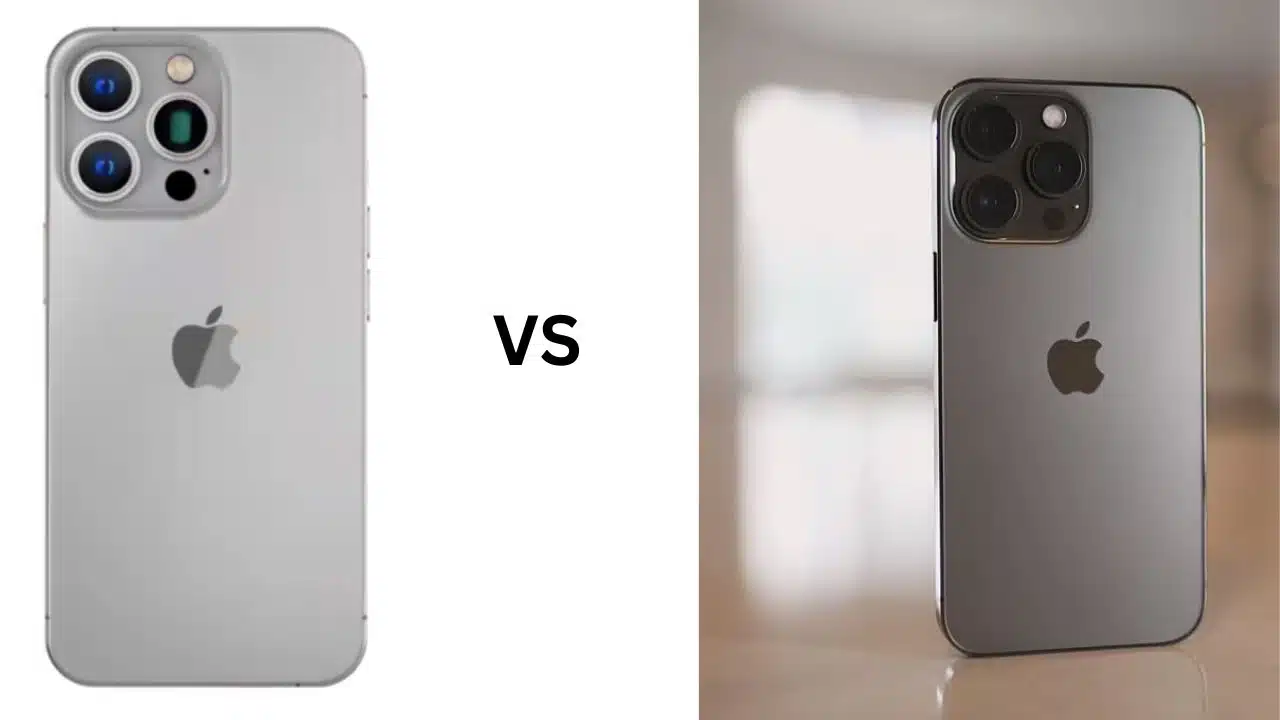
Apple has just introduced its latest iPhone lineup, featuring the iPhone 15, iPhone 15 Plus, iPhone 15 Pro, and iPhone 15 Pro Max.
If you’re in the market for a new iPhone, you might be curious about how these new devices stack up against older models like the iPhone 13 and even the hypothetical iPhone 14.
The iPhone 15 Pro, part of Apple’s premium smartphone range, offers a compelling choice for those seeking a professional-grade phone that still feels comfortable to hold. But how does the iPhone 15 Pro, with its sleek titanium design, compare to the trusted and highly popular iPhone 13 Pro? Price isn’t the only factor that sets them apart, although it is a significant one.
Let’s delve into the features of both the iPhone 15 Pro and the iPhone 13 Pro to help you make an informed decision between the fresh newcomer and the tried-and-true classic.
Specifications
| Specs | iPhone 15 Pro | iPhone 13 Pro |
| Display | 6.1″ | Super Retina XDR | Always-on | 6.1″ | Super Retina XDR |
| Finish | Natural Titanium, Blue Titanium, White Titanium, Black Titanium | Alpine Green, Silver, Gold, Graphite, Sierra Blue |
| Processor | A17 Pro | A15 Bionic chip |
| Storage | 128GB | 256GB | 512GB | 1TB | 128GB | 256GB | 512GB | 1TB |
| Construction | Grade 5 Titanium | Stainless steel | IP68 rating |
| Battery | Up to 29 hours of video playback | Up to 22 hours of video playback |
| Port | USB-C | USB 3 support | Lightning | USB 2 support |
| Main camera | 48MP | Up to 10x optical zoom | 12MP | up to 4K video |
| Connectivity | eSIM, 5G, Gigabit LTE, Wi-Fi 6, Blutooth 5.0, UWB, GPS, Wi-Fi calling | SIM card, 5G, Gigabit LTE, Wi-Fi 6, Bluetooth 5.0, UWB, GPS, Wi-Fi calling |
| Price | Starting at $999 | Starting at $829 |
Apple iPhone 15 Pro?
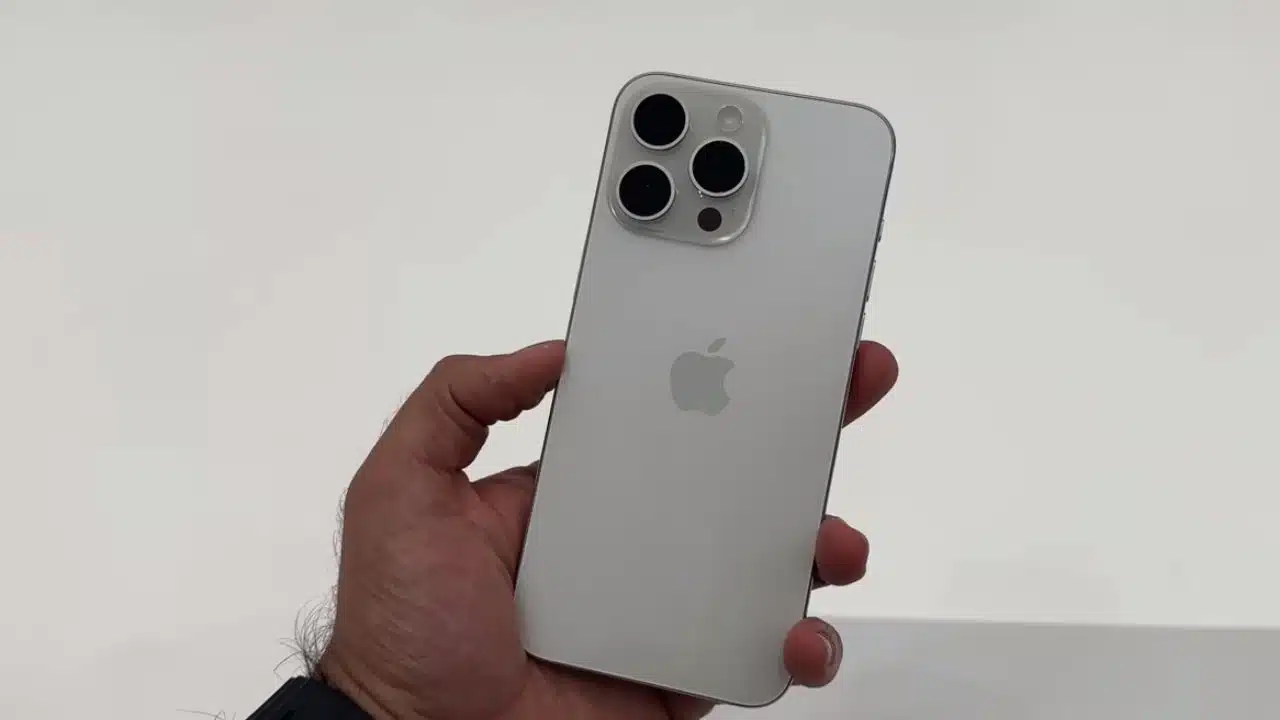
1. High-quality Camera
No matter how particular you are about your smartphone features, there’s one area where the iPhone 15 truly shines – its camera. The camera on the iPhone 15 boasts an impressive 48MP image capture capability, and it comes equipped with a sensor that’s 25% larger than its predecessor, the iPhone 14 Pro. That’s not all; it can handle four times more resolution than RAW images, and it features a remarkable f/2.8 aperture – a significant upgrade compared to the iPhone 13 Pro’s 12MP primary camera.
Users can expect next-level portrait photography with double the light performance compared to the previous model. This is thanks to a Lidar scanner that excels at capturing night mode portraits with a wider dynamic range while preserving brightness.
What’s more, the optical zoom on the iPhone 15 Pro covers a focal length spectrum from 13mm to 120mm. The camera also incorporates a periscope design with a tetraprism, cleverly redirecting light within the iPhone itself, eliminating the need for an extended telephoto lens. These camera enhancements make the iPhone 15 Pro a formidable choice for photography enthusiasts.
2. You Want to Adopt USB-C
Perhaps the most noteworthy feature that distinguishes the iPhone 15 from its predecessors is Apple’s adoption of USB-C ports in its devices. This means you can now use the same cable to charge all your Apple gadgets, provided they’re the newer models. The transition to USB-C also translates into speedier data transfers from your iPhone to your Mac.
But it’s important to note that Apple’s move to USB-C wasn’t solely driven by innovation. Rather, it was a response to a mandate from the European Union, which requires all electronic devices sold and manufactured after 2024 to feature a USB-C connector. While this isn’t yet a requirement in the United States, the shift toward USB-C as a standard charging connector in the EU suggests that it could eventually become the universal norm.
3. You Want a Stronger iPhone
The iPhone 15 Pro takes a departure from the familiar surgical-grade stainless steel build and opts for Grade 5 Titanium instead. This switch, among other enhancements, contributes to the higher price tag of the iPhone 15 compared to its predecessors. Titanium, though more challenging to shape and mold compared to aluminum and stainless steel, offers several advantages for devices, including its relatively low thermal conductivity.
One notable benefit of titanium is its superior heat resistance compared to steel, potentially leading to fewer instances of iPhones overheating. To further aid in heat dissipation, the new iPhone 15 Pro features an aluminum coating on the interior beneath its titanium exterior.
What’s more, the titanium construction manages to be lighter while retaining the same strength as steel. During the launch event, Greg “Joz” Joswiak, Apple’s senior vice president of worldwide marketing, proudly proclaimed that this is the lightest Pro iPhone ever.
Apple iPhone 13 Pro
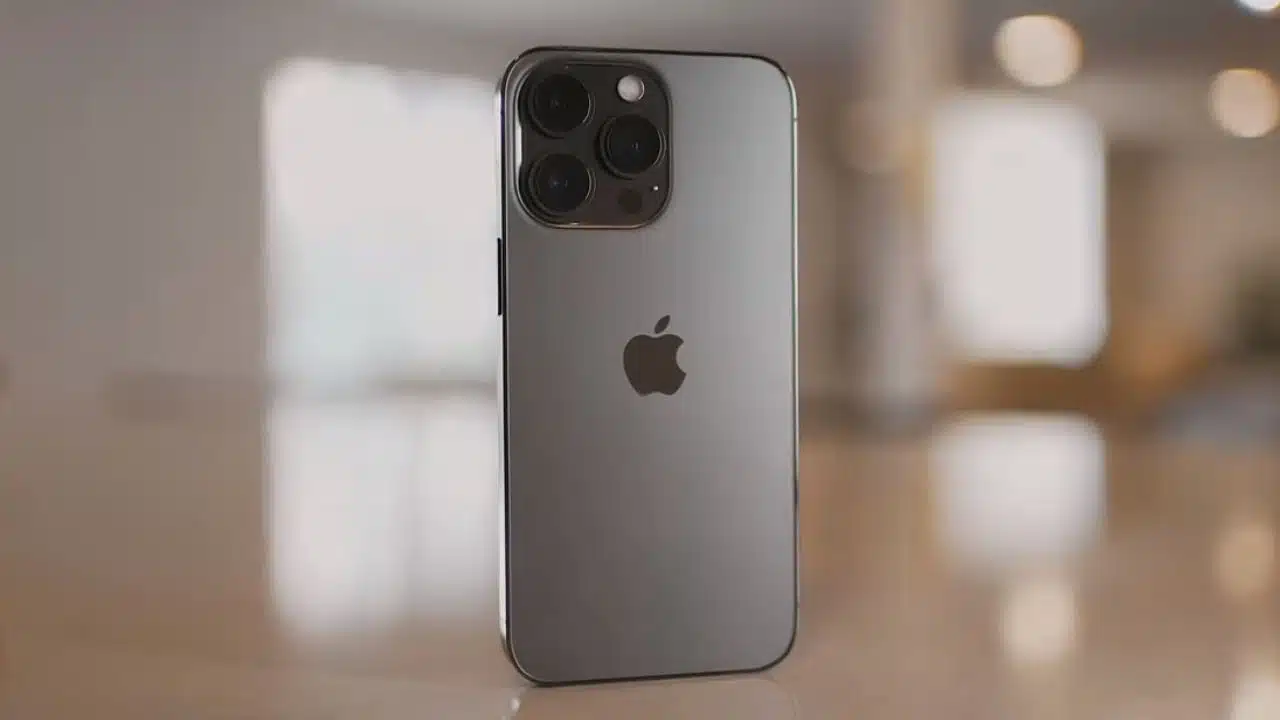
1. You Want Cheaper
One of the smartest ways to be budget-conscious when purchasing a new phone is to consider an older model like the iPhone 13 Pro. You’ll find some enticing deals out there, such as a renewed iPhone 13 Pro with a generous 512GB of storage going for just $815 on Amazon. Alternatively, you can snag a pre-owned iPhone 13 Pro, featuring 128GB of storage, for a reasonable $880 at Best Buy, and both of these options are unlocked.
Now, when you look at the iPhone 15 Pro, it comes with a starting price tag of $999. It’s undoubtedly fresh off the assembly line, but if you’re simply in need of a new phone and don’t feel the need to splurge on all the latest bells and whistles, you have the potential to save a few hundred dollars by opting for a slightly older model.
2. You Want SIM Rather than e-SIM
Apple made a significant change with the iPhone 14 in 2022 by removing the slot for a physical SIM card. Instead, iPhones now utilize an electronic SIM, or eSIM, for activation. This means that your phone is set up by the carrier over the air, without the need for a physical card. While this might not appear to be a major shift and can even be seen as convenient in many scenarios, there’s still a substantial group of people who prefer having a physical SIM card.
The advantage of having a phone with a physical SIM card becomes apparent when you want to switch between devices, especially in emergency situations. For instance, if my iPhone XS Max were to malfunction, I could simply remove the SIM card and insert it into another backup phone I have at home. This way, I’d still have a working phone while I address the issue with my primary device, whether that involves repairs or obtaining a replacement. However, with the iPhone 14 Pro Max and its eSIM, this convenient switch isn’t possible, which has left some users longing for the days of physical SIM cards.
3. You like gold iPhones
If you’re a fan of the gold iPhone and were hoping to see the iPhone 15 Pro decked out in this luxurious color, I regret to inform you that the iPhone 14 was the last model to feature a gold finish. This is certainly a point in favor of the iPhone 13 Pro for those who appreciate the golden aesthetic.
Speaking from personal experience, I switched to a purple iPhone 14 Pro Max upon its release, but I had been a devoted gold iPhone user for years following Apple’s discontinuation of the rose gold option. However, if you’re considering an iPhone 13 Pro and have a penchant for the golden hue, you’ll be pleased to discover that it’s still available from various resellers.