

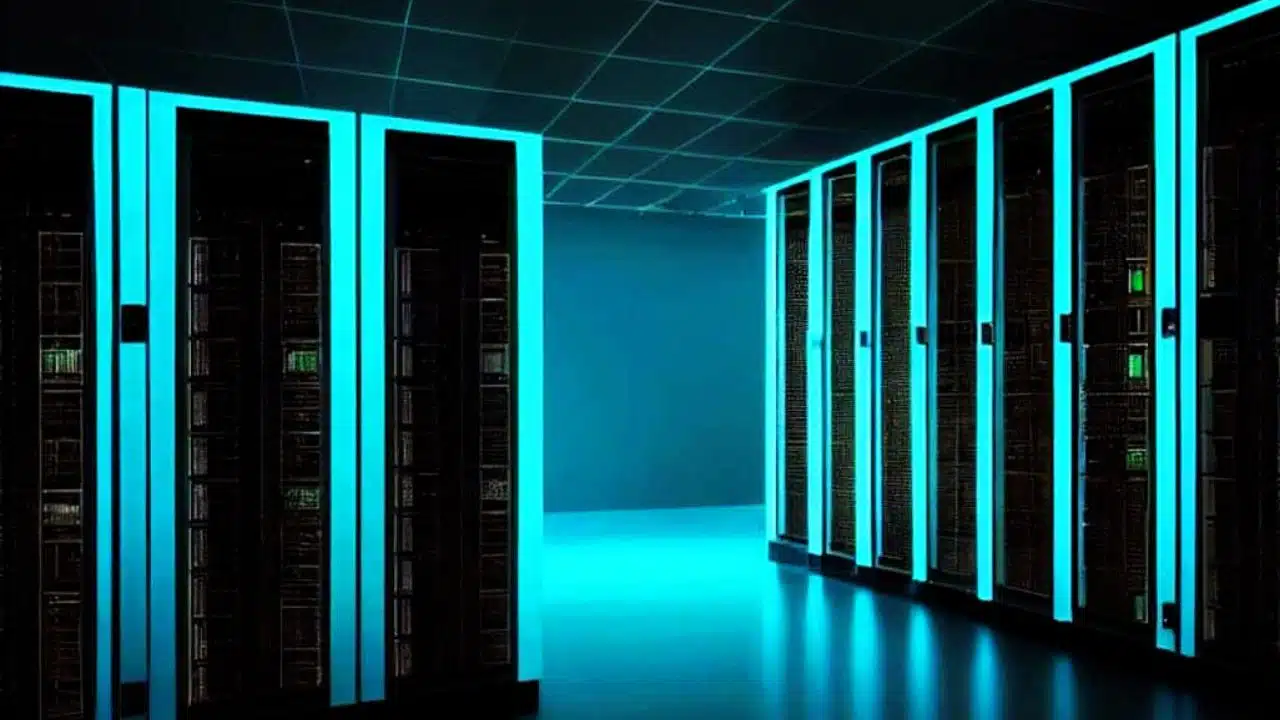
In today’s technologically driven world, data centers stand as the pillars of information processing and dissemination. These sophisticated facilities house the critical infrastructure necessary for data storage, management, and communication. A server rack is a robust metallic and electronic scaffold designed to support servers, cables, networking devices and various other computing components.
What is data center?
A data center is a specialized facility designed to host computer systems and associated components such as telecommunications and storage systems. These centers are essential for managing, processing, and distributing vast amounts of digital content. They support various sectors by providing services ranging from basic information management to complex computational tasks.
Key functions and features of data centers include:
- Resource Distribution: They efficiently allocate computational power and storage capacity across multiple clients.
- Information Management: These centers excel at securely storing, retrieving, and handling large volumes of digital content, crucial for business operations.
- Backup and Recovery: Equipped with advanced systems, these facilities ensure the integrity and recovery of information following incidents.
- Security Measures: Robust measures are in place to protect sensitive content from cyber threats and physical breaches, employing technologies such as biometric controls and surveillance systems.
- Scalability and Flexibility: Designed for adaptability, they enable businesses to expand their IT infrastructure seamlessly as needs increase.
- Energy Efficiency: Modern centers prioritize minimizing environmental impact with advanced cooling technologies and optimized energy consumption.
An essential component within these centers is the enclosed data rack, which provides a secure and organized environment for housing servers and other critical equipment. These racks enhance security by protecting hardware from unauthorized access and improve cooling efficiency by maintaining optimal airflow. For more information about enclosed data rack, visit Sysracks.
Definition of a Server Rack
A server rack is a structured metallic and electronic framework engineered to accommodate servers, network devices, cables, and additional computing hardware. Serving as the backbone of data center infrastructure, these racks are meticulously organized to maximize space efficiency, enhance air circulation, and simplify cable management.
Server racks are used primarily for centralizing network resources in a compact, secure environment. This centralization facilitates easier access for maintenance, upgrades, and management, reducing the complexity of handling numerous machines simultaneously. Additionally, server racks are designed to optimize the physical security of the hardware they contain, incorporating locking mechanisms and restricted access features to prevent unauthorized entry. Their standardized dimensions also allow for consistent air flow management, which is critical to maintaining optimal operating temperatures and reducing the risk of overheating. Thus, server racks are essential for ensuring the seamless operation, security, and longevity of critical network and computing resources
The Significance of Server Racks in Data Centers
Server racks play a pivotal role in enhancing the performance and reliability of data centers. These structures not only house and organize critical IT equipment but also contribute significantly to operational efficiencies. Here are some of the key ways server racks impact data center functionality:
- Optimized Cooling and Airflow: Server racks are designed to maximize airflow, which is crucial for maintaining appropriate operating temperatures. Efficient cooling systems prevent hardware from overheating, thus reducing the risk of failures and extending the lifespan of the equipment.
- Improved Cable Management: Proper cable management within server racks minimizes the risk of disconnections and electrical interference. This organization helps ensure stable and reliable network connections, which are essential for maintaining system uptime and reducing maintenance errors.
- Enhanced System Scalability: The modular design of server racks allows for easy scalability. As data center demands grow, additional racks can be seamlessly integrated into the existing infrastructure, facilitating expansion without significant disruptions.
- Secure Equipment Housing: Server racks provide a secure environment for sensitive hardware, equipped with features like locking mechanisms to prevent unauthorized access. This security is crucial for protecting data integrity and preventing physical tampering.
Through these contributions, server racks are fundamental in ensuring that data centers operate efficiently, maintain high reliability, and adapt to evolving technology demands, thereby supporting the critical operations of numerous organizations.
Server racks are fundamental to the functionality and structure of data centers. They organize and protect critical hardware, enhance operational efficiency through optimal cooling and cable management, and enable scalable growth. These racks ensure that data centers can meet modern technological demands while maintaining high reliability and security. Ultimately, server racks are indispensable in supporting the essential operations of data centers in our increasingly digital world.






















