The booming data center industry in the United States is projected to consume up to 9% of the nation’s total electricity by 2030, according to a recent report by the Electric Power Research Institute (EPRI).
This significant increase, driven by advancements in generative artificial intelligence and the expansion of computing hubs, highlights the growing energy demands of the digital economy.
As data centers become increasingly integral to modern infrastructure, their escalating power consumption poses both challenges and opportunities for the U.S. electricity grid.
Rising Energy Consumption
EPRI’s analysis highlights a potential annual growth rate of electricity use by data centers ranging from 3.7% to 15% through 2030.
This variation depends on the pace of technological adoption, such as AI, and the energy efficiency of new data centers.
As technology companies invest heavily in expanding their computing hubs, the demand for electricity is set to surge.
The Importance of Data Centers
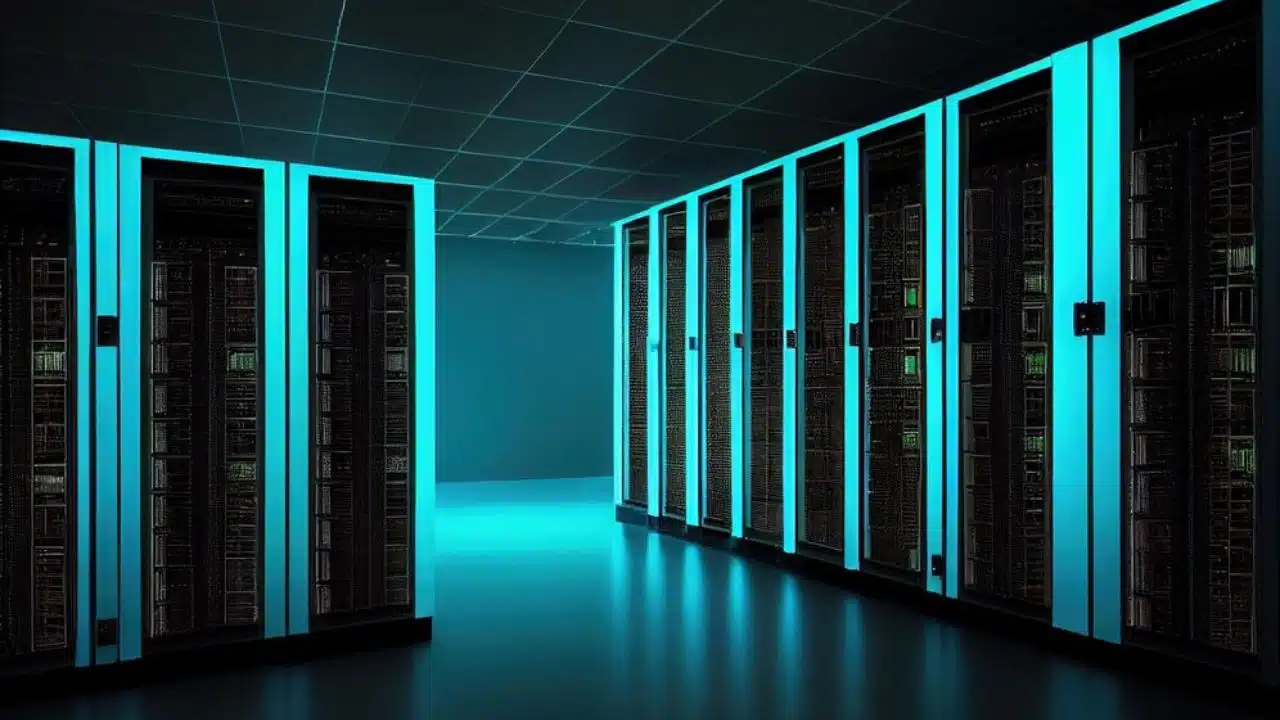
Data centers are critical infrastructure for the digital economy, requiring vast amounts of power for high-intensity computing and cooling systems.
A new large data center can consume as much electricity as needed to power 750,000 homes.
This dramatic increase in power usage poses a potential strain on the U.S. electric grid, leading to higher power bills and possible outages.
Current Context and Future Projections
The data center industry has been one of the fastest-growing sectors since the introduction of OpenAI’s ChatGPT in 2022.
Early ChatGPT searches consumed about ten times the electricity of a typical Google search.
With the increasing use of generative AI to produce content like movies and music, the power requirements are expected to grow substantially.
EPRI’s report includes a detailed forecast of the growth in AI and the demand for electricity by data center operations.
Under the ‘Higher-Growth’ scenario, electricity consumption by data centers is projected to rise from approximately 152 million megawatt-hours (MWh) in 2023 to more than 403 million MWh by 2030 – an increase of 166%.
Regional Concentration and Challenges
About 80% of the U.S. data center load in 2023 was concentrated in 15 states, primarily Virginia and Texas.
This geographic concentration poses regional supply challenges, especially as single facilities now request power equivalent to that used by 80,000 to 800,000 homes.
This concentration of demand can exacerbate power delivery challenges and strain local grids.
Addressing the Energy Challenge
To manage the growing electricity demands of data centers, EPRI recommends three key strategies:
- Improve Data Center Efficiency: Implement better efficiency measures to reduce energy consumption without compromising performance.
- Enhance Planning Coordination: Foster close coordination between data center developers and utilities regarding power needs, timing, flexibility, and delivery constraints.
- Develop Better Modeling Tools: Create advanced tools to anticipate and accommodate data center growth while maintaining grid reliability.
David Porter, EPRI’s Vice President of Electrification and Sustainable Energy Strategy, emphasized the importance of collaboration. “The data center boom requires closer collaboration between large data center owners and developers, utilities, government, and other stakeholders to ensure that we can power the needs of AI while maintaining reliable, affordable power to all customers,” he said.
Impacts of AI and Regional Considerations
The study notes that AI queries require significantly more electricity than traditional internet searches.
With 5.3 billion global internet users, the widespread adoption of AI tools could lead to a dramatic increase in power demands.
The analysis also indicates that the demands for highly reliable power, new non-emitting generation sources, and short lead times for connection can create local and regional electricity supply challenges.
Future Planning and Initiatives
To address these challenges, EPRI has launched a comprehensive, two-year program to explore and develop new strategies for meeting emerging operational and planning load forecasting challenges.
This initiative focuses on improving load projections during extreme weather events, estimating the deployment of distributed energy resources, understanding changing customer behavior, and assessing the impacts of emerging technologies.
Wrap up
As data centers continue to expand and AI technology becomes more integrated into everyday life, the demand for electricity in the United States is set to rise significantly.
This increase highlights the need for strategic planning and efficient energy use to ensure a reliable and sustainable power supply.
The EPRI report underscores the importance of addressing these challenges through collaboration, innovation, and forward-thinking energy policies.