

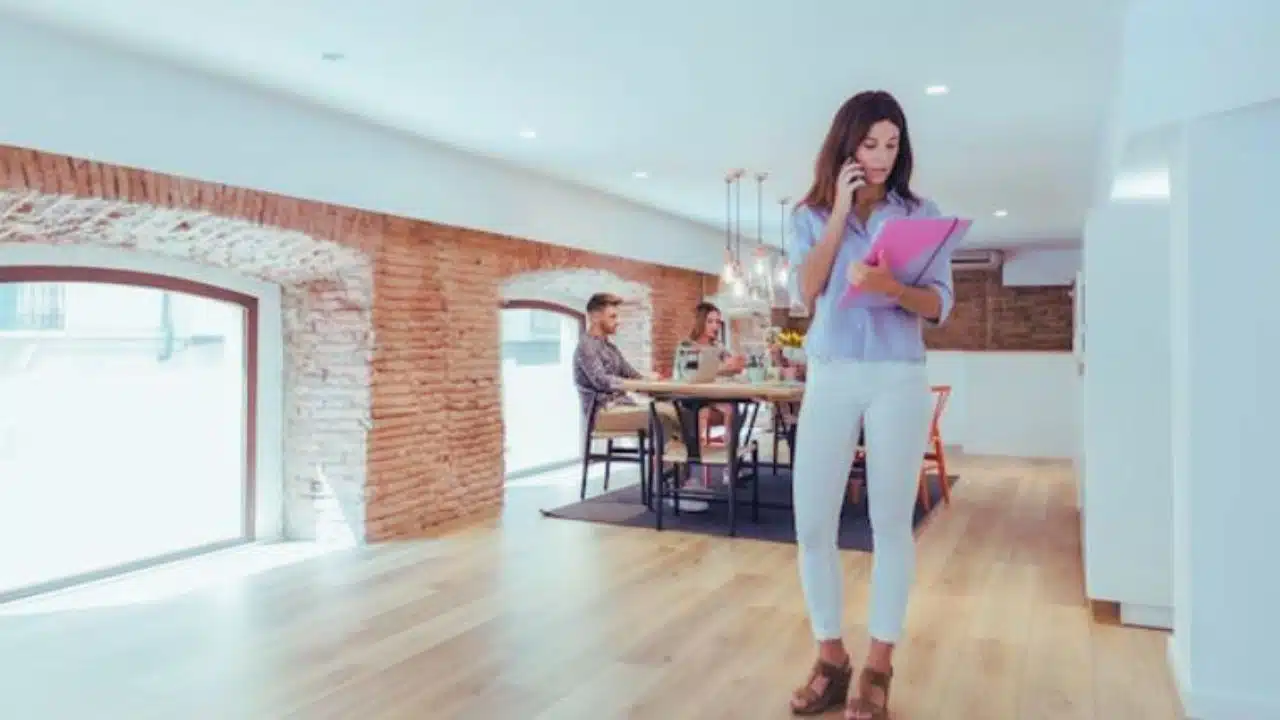
The floors in a rental property take a beating. With a constant parade of tenants moving in and out with their possessions and pets, it’s no wonder that flooring can become worn down, stained, or otherwise damaged over time. As a rental property owner, keeping a close eye on the condition of floors through regular inspections is essential to maintaining the value and appeal of your investment while also ensuring the safety of tenants. Read more below as we learn more about the importance of regular flooring inspections and the benefits it brings to property owners.
What is Regular Flooring Inspections?
A regular flooring inspection entails thoroughly walking through a rental unit to check the condition of all floors. This includes closely evaluating the following types of flooring:
- Hardwood floors – Check for scratches, gouges, warping, and water damage. Look for signs of rot, mold, or other deterioration issues.
- Vinyl floors – Inspect for tears, loose tiles, and excessive wear patterns. Determine if stains are surface level or signs of deeper damage.
- Carpeting – Look for visible stains, holes, loose seams and corners, and areas of excessive matting/wear. Check to see if carpet smells and needs deeper cleaning or replacement.
- Tile & Stone floors – Take note of any cracked, chipped, broken, or missing tiles. Check grout lines for signs of deterioration or water issues and mark any loose tiles that need to be repaired.
Set enough time to thoroughly walk the entire floor area, including every room, and spot any potential flooring issues. Safely lift areas that have rugs and move furniture if possible to inspect the underlying floors as well. Don’t forget to include photos and written descriptions for your documentation.
Flooring inspections are typically scheduled twice a year to prevent any damage before it worsens. This also helps property owners prevent expensive repairs or possibly full replacement when left unattended.
The Importance of Regular Flooring Inspections in Rental Properties

When managing a rental property, one of the landlord’s top prioritiers includes upholding the quality and safety of it. This provides tenant protection while staying in your property, helps preserve property value, and maintain a positive cash flow from low vacancy rates. An essential part of this process involves regularly inspecting the condition of floors. Staying on top of flooring condition helps rental owners achieve three main objectives:
Maintain Property Conditions
Floors take the most daily wear and tear in a rental unit. Without inspections, issues such as scratches, chips, cracks, tears, stains, or water damage can accumulate over time. Adding the continuous foot traffic and furniture shuffling, these minor problems can quickly intensify and become expensive replacements. It’s important to catch early signs of damage to have more affordable repairs before replacement becomes the only option. Acknowledging common rental property repairs, including flooring repair, will help you be prepared as a rental owner.
This also helps landlords prevent liability and potential negligence lawsuits, especially if it already caused injury to your tenants due to negligence. Tenants may not always alert owners about carpet stains or odors building up underneath beds or sofas, so it’s important to check those areas as well. Letting these problems fester leads to permanent damage and steep remediation expenses down the road. If you can’t find the time to inspect on your own, you should work with a property manager. Rental property manager in Northern Virginia will help you in ensuring that your rental property is in good condition.
Ensure Tenant Safety
Checking floor quality plays a monumental role in guaranteeing the safety and wellbeing of tenants. Compromised flooring presents several risks for injury, especially for children and elderly individuals. Missing grout, lifting carpet, loose tiles, small tears, splinters, weak boards or spots prone to mold/mildew make surfaces unstable and hazardous to walk on.
Wood rot and the growth of mold, for example, are detrimental to respiratory health when left unchecked. Poor indoor air quality from musty carpets similarly triggers breathing issues and allergic reactions. Addressing flaws during routine inspections controls health hazards.
Being vigilant about safety also means inspecting floors after a flood or leak event, and having licensed contractors evaluate any signs of foundational, load-bearing compromise. Sagging or uneven floors suggest potential structural weaknesses below your property.
Preserve Property Value
Curb appeal matters immensely when tenants look for a place to live. Properties with modern, clean floors in good repair tend to be sold faster compared to outdated, defective floors with temporary repairs that show their age. Remember that protecting floor quality will be worth it in the long run as it can directly impact rental income and property value if the owner decides to resell. Preventing small damages from intensifying into expensive replacements saves thousands over the years. For example, refinishing dull hardwood costs around $3 per square foot. A full replacement, however, runs $6-12 per square foot. Protecting floor quality also ensures your asset retains its income-generating potential and market value.
Final Words
Regular flooring inspections are a clear best practice for rental properties. Staying on top of floors requires an investment of time but pays major dividends for owners and tenants alike. Not only are repairs kept affordable before turning into replacements, but safety and appeal significantly improve too. Regular monitoring against damage and deterioration shows responsibility while ensuring your rental remains an appealing, profitable asset. Committing to consistent checks year after year demonstrates quality care that keeps owners, tenants, and investment property protected.





















