


Prescription medications are designed to help people heal, manage pain, or cope with health conditions. When used correctly, they offer relief and improve quality of life. But in some cases, misuse can lead to serious problems. Let’s explore how to spot the early warning signs and take action before things escalate.
Identifying Subtle Behavioral Shifts
When combating drug addiction, a person may start to withdraw more, skip work, or behave differently around friends and family. Changes in sleep habits, mood swings, and a loss of interest in regular activities are also common. Even small shifts in daily behavior might signal a deeper concern. Recognizing the problem in the earlier stages can make it easier to get help.
Another sign is a growing focus on medication. This might frequently talk about needing refills or visiting different doctors. It’s not always obvious at first, but a pattern of misuse often develops over time. These behaviors are worth addressing before they grow into something more serious.
Physical and Emotional Warning Signs
Misusing prescription drugs often affects the body as well as the mind. People may begin to experience unexplained drowsiness, nausea, or changes in appetite. In some cases, their coordination or speech might seem off. These physical symptoms can vary depending on the type of medication being misused. Still, any persistent changes in health should raise concern.
Emotional warning signs are just as important. Anxiety, depression, and sudden mood shifts often accompany misuse. It’s not just the medication causing changes, but also the stress of hiding or managing the misuse. Watching for both physical and emotional shifts provides a clearer picture of what’s really happening.
Choosing a Well-Specialized Team
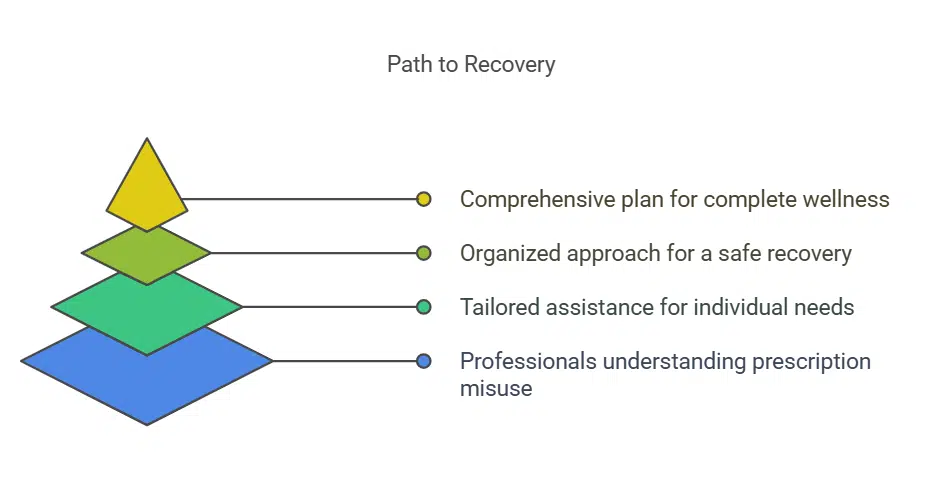
Getting the right help begins with selecting a team that truly understands prescription misuse. A well-specialized group of professionals can assess the situation and offer focused support. These teams often include medical doctors, mental health experts, and counselors. Each professional brings a different skill that contributes to a full recovery plan.
Having knowledgeable professionals involved means each stage of care is managed with care and skill. It also helps individuals feel less overwhelmed during treatment. A well-rounded approach increases the chances of a full recovery. With a team like this, the path to healing feels more structured and safe. The right support system can make all the difference.
Early Intervention and Communication
Speaking up when something seems unusual may feel difficult, but it can be an important step. Addressing concerns early often leads to better outcomes. Conversations should come from a place of care, not judgment. People are more likely to respond well when they feel supported.
Families and friends play an important role in early intervention. Their support can encourage someone to accept help sooner. Checking in regularly and keeping communication open are simple but powerful steps. It’s also helpful to learn about local resources or programs. Knowing where to turn builds confidence when it’s time to act.
Building a Plan for Recovery
Once a concern is acknowledged, the next step is building a recovery plan. This often begins with an evaluation to determine the level of support needed. Some may benefit from outpatient services, while others may need more intensive care. The goal is to create structure, build coping skills, and offer emotional support.
Setting clear goals and tracking progress helps maintain momentum. As individuals gain confidence, they’re more likely to stay committed to their plan. Over time, new habits replace harmful ones. Early treatment can lead to a healthier future.
Prescription misuse can start quietly, but with awareness and early support, it doesn’t have to grow into something worse. Addressing drug addiction early gives individuals a better chance at full recovery. Whether through counseling, medical care, or support groups, the right help is available. Recovery is possible with the right steps and consistent encouragement.





















