


Being aware of the injury risks at work is crucial for both your professional safety and your overall well-being. Workplace injuries can happen in any profession, from manufacturing to office settings, and understanding how to mitigate these risks can protect not only your health but also your rights as an employee. With the right knowledge in hand, you can advocate for a safer work environment and seek proper compensation should an injury occur.
Identifying Common Workplace Injury Risks
Injuries can arise from various sources within the workplace. Knowing the common hazards can help you stay alert and take necessary precautions. For instance, slips, trips, and falls account for a significant percentage of workplace injuries, often caused by wet floors, uneven surfaces, or obstructed pathways. Conversely, ergonomic issues frequently lead to musculoskeletal disorders, especially in office environments where repetitive motions and poor workstation setups are common. Additionally, heavy machinery or equipment can pose serious injury risks in sectors like manufacturing and construction. Workers can be exposed to dangers like electrocution, burns, and cuts if proper safety protocols are not observed. Understanding these risks allows you to take proactive steps to safeguard yourself in your workplace.
The Importance of Safety Training
Safety training is an essential component of any workplace injury prevention strategy. Employers are responsible for providing adequate training to help employees understand the specific risks associated with their jobs. This training should cover proper equipment use, emergency procedures, and hazard recognition. Being trained not only empowers employees to recognize hazards but also prepares them to respond safely in emergencies. Statistics show that workplaces with comprehensive safety training programs experience up to 60% fewer accidents. Thus, advocating for consistent and thorough safety training is vital.
Knowing Your Rights as an Employee
Understanding your rights is equally important as recognizing injury risks. Employees have legal rights to a safe working environment under regulations set forth by agencies like the Occupational Safety and Health Administration (OSHA). These rights include reporting unsafe conditions without fear of retaliation and requesting safety inspections if needed. Moreover, if you experience an injury at work, you have the right to file a claim for workers’ compensation. This not only covers medical expenses related to your injury but may also provide lost wage compensation. Knowledge of these rights often empowers employees to take action when safety issues arise, ensuring that workplace safety laws are upheld.
When to Seek Legal Assistance
Sometimes, employees may face challenges in securing their rights or obtaining compensation after a workplace injury. It is crucial to seek the assistance of a qualified lawyer when facing complex situations such as denied claims or retaliation for reporting unsafe conditions. As explained by experts at Malloy Law, a competent lawyer can guide you through the legal maze, ensuring your rights are protected. Legal assistance can also be invaluable in cases involving serious injuries or long-term disabilities. A lawyer can help you navigate the intricacies of medical documentation, negotiate with insurance companies, and advocate for fair compensation for both current and future rehabilitation costs. Customizing your approach to your unique situation is crucial, and having professional advice can immensely alleviate the stress associated with legal proceedings.
Creating a Culture of Safety
Cultivating a culture of safety within the workplace requires commitment from both management and employees. Open communication about risks, regular safety audits, and employing employees in safety discussions can foster a more secure environment. Workers should feel empowered to voice concerns and suggest safety improvements without fear of backlash. Research shows that organizations with positive safety cultures see not only fewer injuries but also heightened employee morale and productivity. Moreover, encouraging employee participation in safety committees can lead to innovative solutions tailored to the specific risks of the workplace.
Regularly Review and Update Safety Policies
Safety policies should not be static; they require continuous evaluation and adjustments. Significant changes in the workplace, like new equipment or procedures, necessitate policy updates to reflect new risks. Regular reviews—ideally conducted annually—should involve employees to ensure policies reflect ground realities. Moreover, organizations should document these reviews and share updates with all staff members to keep everyone informed. This practice not only enhances compliance but also reinforces the importance of workplace safety, promoting shared responsibility.
The Role of Personal Protective Equipment (PPE)
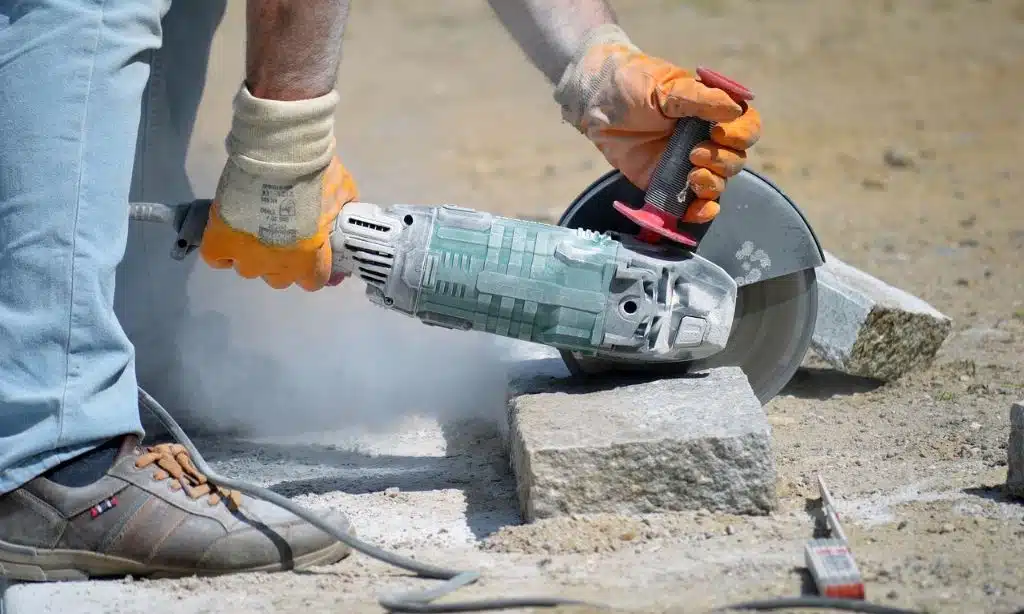
Personal protective equipment (PPE) is a critical element of workplace safety, providing necessary protection against identified hazards. Depending on the job, PPE can range from helmets and gloves to goggles and masks. Employers are responsible for providing the right PPE and ensuring employees are trained in its proper use. Statistics indicate that when effective PPE is regularly utilized, the likelihood of injury can be significantly reduced. For instance, the National Institute for Occupational Safety and Health states that nearly 70% of workplace injuries could be avoided through the proper use of PPE. Therefore, questioning the adequacy of the provided gear is valid and necessary to ensure safety.
Documenting Workplace Incidents
Effective documentation of any workplace incidents is crucial for identifying patterns and preventing future accidents. Keeping detailed records of injuries, near-misses, and unsafe conditions can provide essential insights into workplace safety issues. Furthermore, having a well-documented incident history aids in crafting more effective safety policies. When documenting, be sure to include dates, descriptions of incidents, witness accounts, and actions taken. Proper documentation can be vital if you must file a workers’ compensation claim or if legal disputes arise. Observing and reporting situations movement can save lives and reinforce the commitment to a safer workplace.
Staying Informed About Changes in Safety Regulations
Laws and regulations surrounding workplace safety are frequently updated, highlighting the necessity for continuous education. Employers should ensure ongoing training that reflects current safety standards and regulations. Employees should also proactively seek information about any changes affecting their rights and potential risks at work. Staying informed can help mitigate risks and foster a safer work environment. Engaging with professional organizations or attending workshops can serve as excellent resources for remaining up-to-date with evolving standards in occupational safety.
The Benefits of Reporting Unsafe Conditions
When employees report unsafe conditions, they does not just protect themselves but also their coworkers. Reporting these conditions creates a culture of safety and accountability within the organization. It encourages management to take immediate action and potentially avert accidents before they occur. Collectively, this behavior produces a more vigilant workforce. Additionally, employees who report issues can take pride in knowing that they contributed to a safer work environment for everyone.
It is vital to recognize the relationship between understanding injury risks, knowing your rights, and fostering proactive safety measures. By prioritizing safety, advocating for your rights as an employee, and seeking legal assistance when necessary, you can contribute to creating a secure workplace. Fostering a culture of safety not only benefits your immediate well-being but also enhances the collective safety of your coworkers.





















