

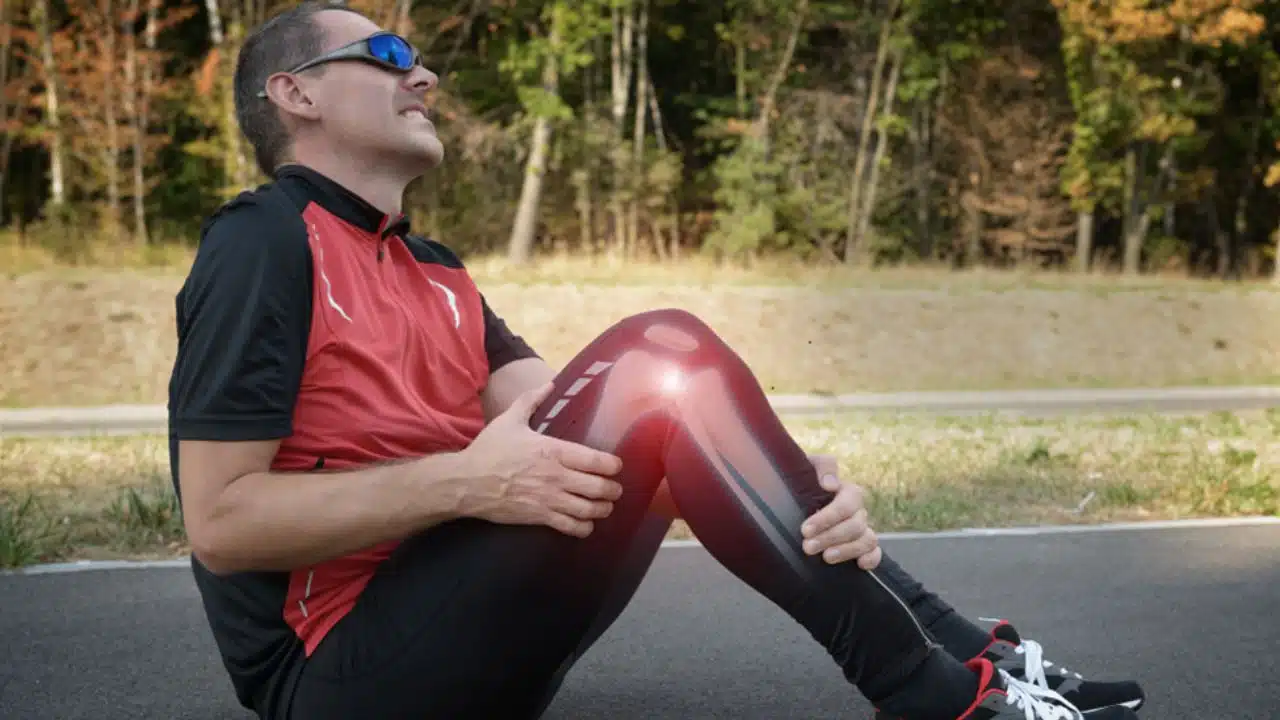
Injuries on the field are an unfortunate reality for many athletes, whether you’re playing recreationally or professionally. When an injury occurs during a game or practice, it’s crucial to understand your rights and the process for seeking compensation.
Filing a sports injury claim in Canada can be complex, as the steps may vary depending on the type of sport, the nature of the injury, and the province in which the incident took place. In many cases, consulting with a Sports Injury Claim Lawyer can significantly improve your chances of receiving fair compensation for medical expenses, lost wages, and pain and suffering. In this article, we’ll guide you through the process of filing a sports injury claim in Canada, outlining the essential steps and how a lawyer can assist you along the way.
1. Seek Medical Attention Immediately
The first and most important step after sustaining an injury on the field is to seek medical attention. Even if the injury seems minor, it’s essential to get a proper diagnosis from a healthcare professional. This will not only ensure that you receive the appropriate treatment but also provide the necessary documentation for any future claims.
If you are unable to continue playing, it’s important to document the injury with photos or video evidence if possible. This can be helpful later in the claims process, especially if there’s a dispute about the nature or severity of the injury.
2. Report the Injury to the Appropriate Authorities
Next, you should report the injury to the appropriate authorities or officials. This may include the coach, league organizer, or team manager. In the case of organized sports, there may be a protocol for reporting injuries, and it’s important to follow those steps to ensure the event is officially recorded.
In the case of a professional or semi-professional athlete, the team or organization may have its own insurance policy, which can cover the injury. Be sure to gather any relevant contact information for the insurance company or claims department.
3. Understand the Type of Claim You Need to File
Depending on the circumstances surrounding your injury, you may need to file one or more of the following types of claims:
- Workplace Injury Claim (WSIB in Ontario): If the injury occurred during a sports activity that is part of your employment (e.g., professional athletes, trainers, or coaches), you may be eligible to file a Workplace Safety and Insurance Board (WSIB) claim in provinces like Ontario. This can help cover medical expenses and lost wages.
- Personal Injury Claim: If the injury was caused by someone else’s negligence, you may have grounds for a personal injury claim. For example, if you were injured due to poor field conditions, a coach’s negligence, or an opponent’s reckless behavior, you may be able to pursue compensation through the courts.
- Sports Injury Insurance Claim: Many amateur sports organizations in Canada carry insurance policies that may cover medical costs, rehabilitation, and other expenses. Review your league or association’s insurance coverage to determine if you qualify for benefits.
- No-Fault Insurance Claims (in provinces with no-fault insurance systems): In some provinces, like Quebec or Manitoba, no-fault insurance systems may cover injuries that occur during sports activities, regardless of who was at fault. This means you can receive compensation for your medical treatment and lost income without needing to prove fault.
4. Gather Evidence
To support your claim, it’s important to gather as much evidence as possible. This includes:
- Medical Records: Documentation of your injury from a healthcare provider, including diagnoses, treatment plans, and ongoing care recommendations.
- Witness Statements: Statements from other players, coaches, or officials who witnessed the injury. Their accounts can provide crucial context regarding how the injury occurred.
- Photographs/Videos: If you have access to footage from the game or event, or if you took photos of the injury or the scene, these can serve as valuable evidence.
- Police Report: In cases of more serious injuries, or if the injury occurred due to foul play or illegal activity, a police report may be necessary to document the incident and help with your claim.
5. Consult with an Experienced Lawyer
Sports injury claims, especially those involving negligence or personal injury, can be complex. It’s highly recommended to consult with a personal injury lawyer, particularly one with experience in sports-related cases. They can help assess the viability of your claim, advise you on the appropriate course of action, and assist in gathering necessary documentation.
A lawyer will also help you understand your rights under provincial and federal law, guide you through the claims process, and ensure that you are fairly compensated for lost wages, pain and suffering, medical bills, and any other associated costs.
6. File the Claim and Follow Up
Once you have all the necessary evidence and your lawyer’s advice, it’s time to file your claim. Depending on the nature of the claim, you may file with an insurance company, a government board like WSIB, or a court of law.
Ensure that you meet all deadlines for filing the claim, as many provinces and insurance policies have time limits for submitting sports injury claims. Your lawyer can help you understand these deadlines and ensure that you follow the correct steps.
After the claim is filed, be prepared to follow up regularly. The claims process can sometimes take time, and you may need to provide additional information or undergo further medical evaluations.
7. Know Your Rights and Responsibilities
As you go through the process of filing a sports injury claim, remember that your rights and responsibilities vary by province and the specific nature of your case. For example:
- If you are covered by a sports league’s insurance, the process may be more streamlined, but there may be limits to the amount of coverage.
- If you are filing a personal injury claim, you will need to prove that another party (such as an opponent or facility owner) was negligent, which can be more challenging.
- In no-fault insurance systems, you won’t need to prove fault, but you may be limited in terms of the compensation you can receive.
Takeaways
Filing a sports injury claim in Canada can be a challenging process, but with the right steps and legal support, you can ensure that you receive the compensation you deserve. Whether your injury is the result of negligence, unsafe conditions, or an accident on the field, it’s important to seek proper medical care, report the injury, and gather the necessary evidence.
A Personal Injury Lawyer with experience in sports-related cases can help guide you through the claims process, protect your rights, and increase the likelihood of a successful outcome. By consulting with a lawyer, you’ll be able to navigate the legal complexities with confidence and focus on your recovery, knowing that your interests are being properly represented.






















