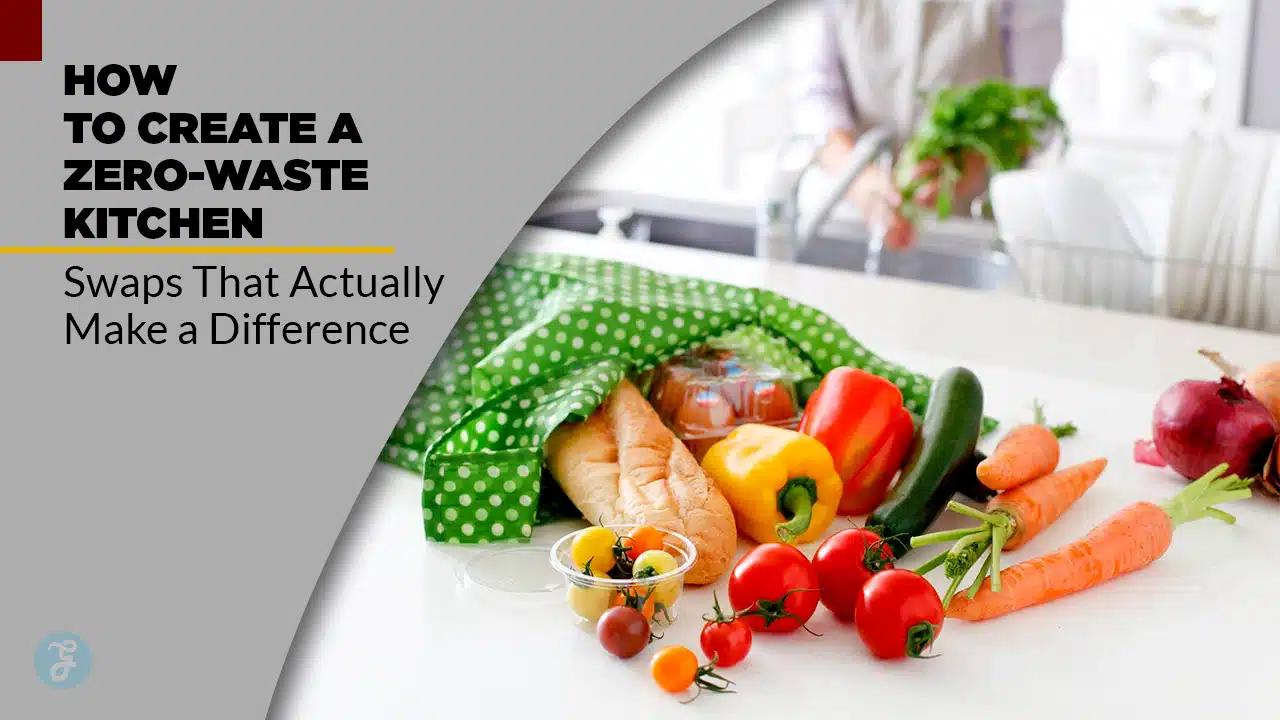
A zero-waste kitchen isn’t about perfection—it’s about making intentional choices that reduce everyday waste without complicating your routine. As more households look for realistic ways to live sustainably, the kitchen becomes one of the easiest and most impactful places to start.
Food scraps, plastic packaging, disposable bags, and single-use cleaning products account for a large portion of household waste. By rethinking how we shop, cook, and store food, we can dramatically shrink our environmental footprint.
These changes not only help reduce landfill waste but also save money, extend the life of your groceries, and create a more mindful cooking environment.
What Does a Zero-Waste Kitchen Really Mean?
A zero-waste kitchen focuses on reducing everyday trash through smarter choices and sustainable habits. It’s not about eliminating waste but minimizing it where possible. This section explains the core principles behind zero-waste living and how they translate into practical kitchen routines.
Focusing on Reduction, Not Perfection
Creating a zero-waste kitchen doesn’t mean producing absolutely no trash. Instead, it’s about reducing what you can, choosing reusable solutions when practical, and developing habits that limit unnecessary waste. The goal is progress, not a flawless lifestyle. Even a few changes can dramatically cut down on plastic use, food waste, and disposable items.
Understanding Waste Sources at Home
Most kitchen waste comes from predictable places—packaging, uneaten leftovers, single-use cleaning supplies, and food scraps. Recognizing these sources is the first step to addressing them. When you know where waste starts, you can make better buying decisions and organize your kitchen to support sustainable habits.
Why Zero-Waste Habits Start in the Kitchen?
The kitchen generates the most household waste, from food scraps to packaging and disposables. That’s why small changes here create the biggest impact. This section explores how mindful habits in the kitchen can reduce environmental harm and improve daily living.
Environmental Impact of Everyday Kitchen Waste
The kitchen is where most households produce the majority of their weekly trash. Plastic bags, clamshell containers, disposable packaging, and expired food all contribute to a growing waste problem. Reducing this waste helps fight pollution, lowers carbon emissions, and supports a more sustainable lifestyle.
How Small Swaps Lead to Long-Term Savings
Many people assume zero-waste living is expensive, but the reality is the opposite. Reusable items reduce recurring costs, and better storage habits prevent food from spoiling. Over time, these changes lead to noticeable savings—especially for families who cook at home frequently.
10 Swaps That Actually Make a Difference
Simple, intentional swaps can dramatically cut down on plastic use and reduce your weekly trash output. These changes are easy to adopt and work for any household. Here, you’ll find practical alternatives to common kitchen products that make a measurable difference.
Swap Plastic Wrap for Reusable Beeswax Wraps
Plastic wrap is one of the most common single-use items in the kitchen. Beeswax wraps, however, can be washed and reused for months. They mold easily around bowls, fruit, or sandwiches and keep food just as fresh without contributing to landfill waste.
Replace Paper Towels With Washable Cloths
The average household goes through multiple rolls of paper towels each month. Switching to cotton cleaning cloths or microfiber towels reduces waste and lasts for years. These alternatives handle spills, dusting, and countertop cleaning with ease.
Switch From Plastic Bottles to Bulk Pantry Staples
Buying pantry staples like rice, pasta, oats, or spices in bulk eliminates the need for plastic packaging. Bring reusable containers to refill stations when available, or purchase large-sized bags to reduce overall waste. This also keeps your pantry organized and reduces the chance of food going stale.
Choose Glass or Stainless-Steel Storage Over Plastic
Plastic containers tend to stain, warp, or absorb odors over time. Glass jars and stainless-steel tins last indefinitely and are more hygienic. They keep food fresh, look cleaner, and eliminate the need to replace low-quality plastic every few months.
Replace Disposable Coffee Filters With Reusables
Millions of paper coffee filters end up in the trash daily. A reusable stainless-steel or cloth filter offers the same quality brew without producing unnecessary waste. It’s a simple, effective upgrade for daily coffee drinkers.
Use Silicone Baking Mats Instead of Parchment Paper
Parchment paper is convenient but short-lived. Silicone baking mats provide a non-stick surface for baking and roasting, and can be reused hundreds of times. They eliminate the need for cooking sprays and disposable liners.
Trade Single-Use Sponges for Compostable Scrubbers
Conventional kitchen sponges break down quickly and release microplastics. Compostable scrubbers made from coconut fiber, loofah, or cellulose last longer and can return to the earth when you’re done with them.
Keep Produce Fresher With Reusable Mesh Bags
Reusable produce bags keep fruits and vegetables fresh without relying on thin plastic bags. They’re lightweight, washable, and perfect for grocery store trips or storing produce in the fridge.
Replace Liquid Soap Bottles With Solid Dish Bars
Solid dish bars eliminate the need for plastic packaging, last longer than bottled dish soap, and work just as well. Pair them with a compostable dish brush for a fully zero-waste cleaning routine.
Compost Food Scraps Instead of Throwing Them Away
Food scraps make up a large portion of household waste. Composting reduces landfill impact and creates nutrient-rich soil for plants. Even small spaces can support composting with countertop bins or community drop-off services.
Weekly Habits to Maintain a Zero-Waste Kitchen
Consistent habits help ensure your zero-waste efforts last longer than a single clean-out. Routine planning, mindful storage, and small organizational steps make sustainable living easier to stick with. This section outlines weekly practices that support a low-waste lifestyle.

Plan Meals to Prevent Food Waste
Meal planning helps reduce impulse purchases and prevents ingredients from going unused. It also simplifies cooking and saves time during busy weeks.
Store Food Properly for Longer Shelf Life
Proper storage techniques—like using airtight jars or cloth produce bags—keep ingredients fresh for longer. This prevents spoilage and reduces the need for last-minute grocery trips.
Create a Waste-Tracking Routine
Keep a small note on the fridge and record what you throw away each week. Patterns will appear quickly. These insights help you avoid overbuying and refine your zero-waste habits.
Common Myths About Creating a Zero-Waste Kitchen
Many people hesitate to embrace zero-waste habits because of misconceptions about cost, difficulty, or time. This section separates fact from fiction and shows how zero-waste living is more accessible than most assume.
“Zero-Waste Is Too Expensive”
While some starter products require investment, most zero-waste changes save money long-term. Reusable items replace dozens of disposable items, and better food storage minimizes waste.
“It Requires Too Much Time or Skill”
Zero-waste habits are simple and accessible. Small steps—like swapping bags, organizing your pantry, or composting—fit easily into daily routines without adding extra work.
A 30-Day Roadmap to Start Your Zero-Waste Kitchen Journey
Building a zero-waste kitchen doesn’t have to happen all at once. A 30-day plan breaks the transition into manageable steps so you can create lasting change without feeling overwhelmed. This roadmap helps you build confidence and consistency week by week.
Week 1: Assess, Organize, and Reduce
Begin by clearing expired items, organizing cabinets, and identifying your biggest waste sources. This lays the groundwork for sustainable habits.
Week 2: Introduce Key Reusable Swaps
Start using beeswax wraps, cloth towels, reusable containers, and other core items. Gradually phase out disposables as your reusables become part of the routine.
Week 3: Improve Shopping and Storage Habits
Shop with reusable bags, buy in bulk when possible, and learn better storage methods. These strategies reduce waste and save money.
Week 4: Track Progress and Build Consistency
Review what has changed, monitor your trash output, and establish new habits that feel natural. Adjust as needed and continue integrating low-waste solutions.
Final Thoughts on Building a Sustainable, Zero-Waste Kitchen
Creating a zero-waste kitchen is a meaningful step toward a more sustainable lifestyle. Each swap—big or small—contributes to a cleaner environment, less clutter, and better long-term habits. By staying consistent and making gradual improvements, you can build a kitchen that supports both your values and daily routine. The transition doesn’t require perfection; it only requires intention and commitment to making choices that genuinely make a difference.