

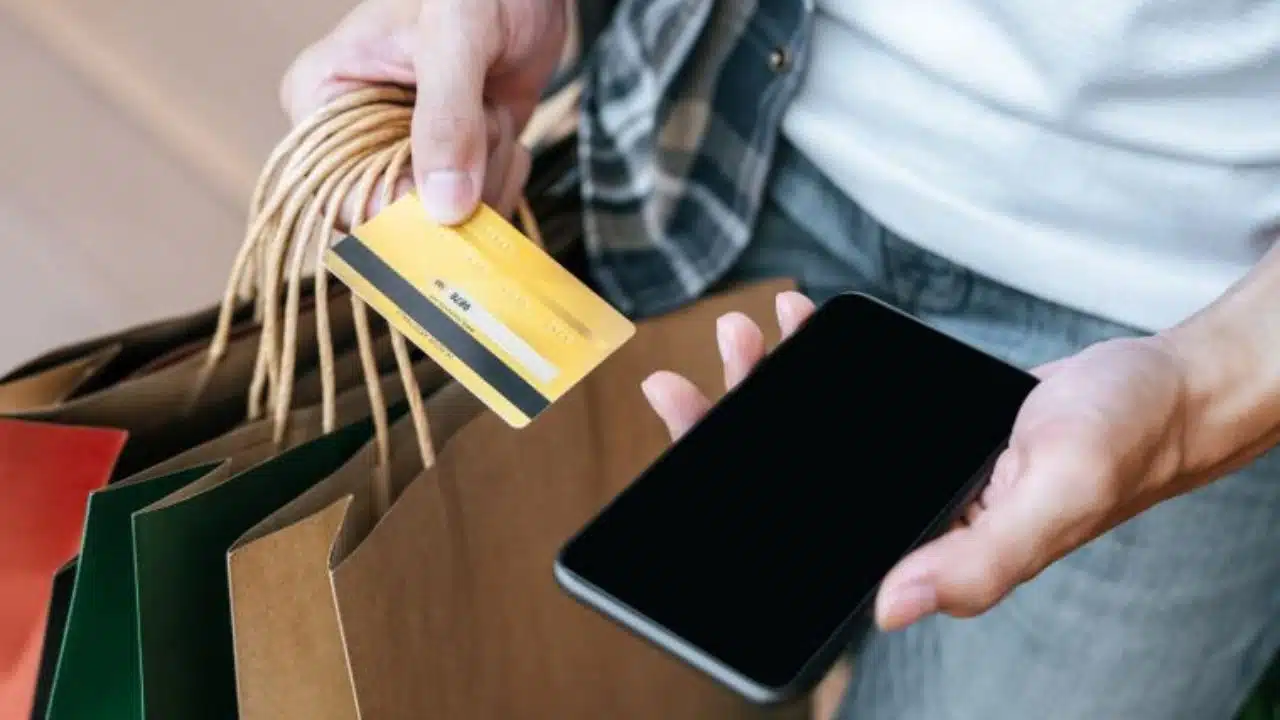
Front-end e-commerce is full of polish — search, ads, sleek product pages. But the real engine hums behind the pay button. Checkout is where interest becomes revenue, and it’s also where shoppers hesitate, abandon, or simply refuse to leave a main card on file.
This is where prepaid value steps in quietly. It lets shoppers buy without exposing their primary accounts, gives families and teams a way to set boundaries, and helps merchants convert sales that might otherwise stall. Think of it as the hidden infrastructure of e-commerce — invisible when it works, essential when it’s gone.
Why Shoppers Choose Prepaid
Not everyone wants to hand over a bank card to every site or app. Some shoppers are cautious, others simply prefer cash-like control in a digital form. Prepaid answers that need in multiple ways:
- Store gift cards become micro-wallets that drive loyalty.
- Open prepaid cards cap exposure at the loaded amount.
- Category vouchers — for streaming, rides, or data — let people fund exactly what they want and stop there.
For households, prepaid is controlled. Parents can load digital allowances for kids. Students can ring-fence a month of rides and groceries. Travelers can land abroad with prepaid data ready. The payment method isn’t just authorizing a purchase — it’s shaping participation in the digital economy.
Why Merchants Rely on It Too
From the seller’s perspective, prepaid isn’t a gimmick — it’s a smoother path to conversion.
- Fewer declines → A prepaid balance removes bank approvals and cuts false rejections.
- Lower friction → If a shopper already holds a store card, checkout is just a code and a click.
- Built-in loyalty → A closed-loop balance nudges customers to return and finish their carts.
Merchants also use prepaid for service recovery. Instead of refund queues, a store credit can resolve an issue immediately and keep the buyer engaged.
Boundaries Customers Actually Feel
Budgets only matter when they’re visible. Prepaid makes them real. When balances are finite, shoppers pace themselves and weigh trade-offs. That’s why prepaid works well for subscriptions, in-app extras, and other categories prone to “quiet drift.” Instead of auto-renew by default, people reload with intention.
The psychology is simple: a prepaid top-up feels like cash in an envelope. When it’s gone, it’s gone. That makes spending conscious instead of invisible.
Where Prepayster.com Fits In
Prepayster.com makes this invisible infrastructure accessible to everyone. The site offers:
- Brand gift cards that double as loyalty tools.
- Open prepaid value for flexible use across platforms.
- Category vouchers like eSIM, rides, and entertainment credits.
- Instant digital delivery so balances are live within minutes.
Households can centralize budgets in one hub. Teams can provision value for travel, events, or projects without juggling receipts. And individuals can keep their main cards off unfamiliar checkouts while still shopping freely.
A Real-World Cart
Imagine a family replacing a broken headset. The parent buys a prepaid card on Prepayster.com for the retailer, plus a small open card for digital extras. The teen checks out the headset instantly. Add-ons are spread across the prepaid balance for the month. The main card never touches an unfamiliar form. If a return is needed, store credit loops the process neatly back into the next purchase.
The moving parts are ordinary — and that’s the point. Prepaid keeps the rails smooth so the purchase feels effortless.
The Infrastructure View
Online retail isn’t just about glossy storefronts. It’s about making high-frequency, small-value, mobile-first transactions safe and reliable for ordinary buyers. Prepaid cards, vouchers, and balances sit at the center of that ecosystem.
Prepayster.com turns that invisible layer into something practical and repeatable. It’s where shoppers and merchants meet halfway — buyers get control, sellers get conversion, and everyone gets confidence.





















