

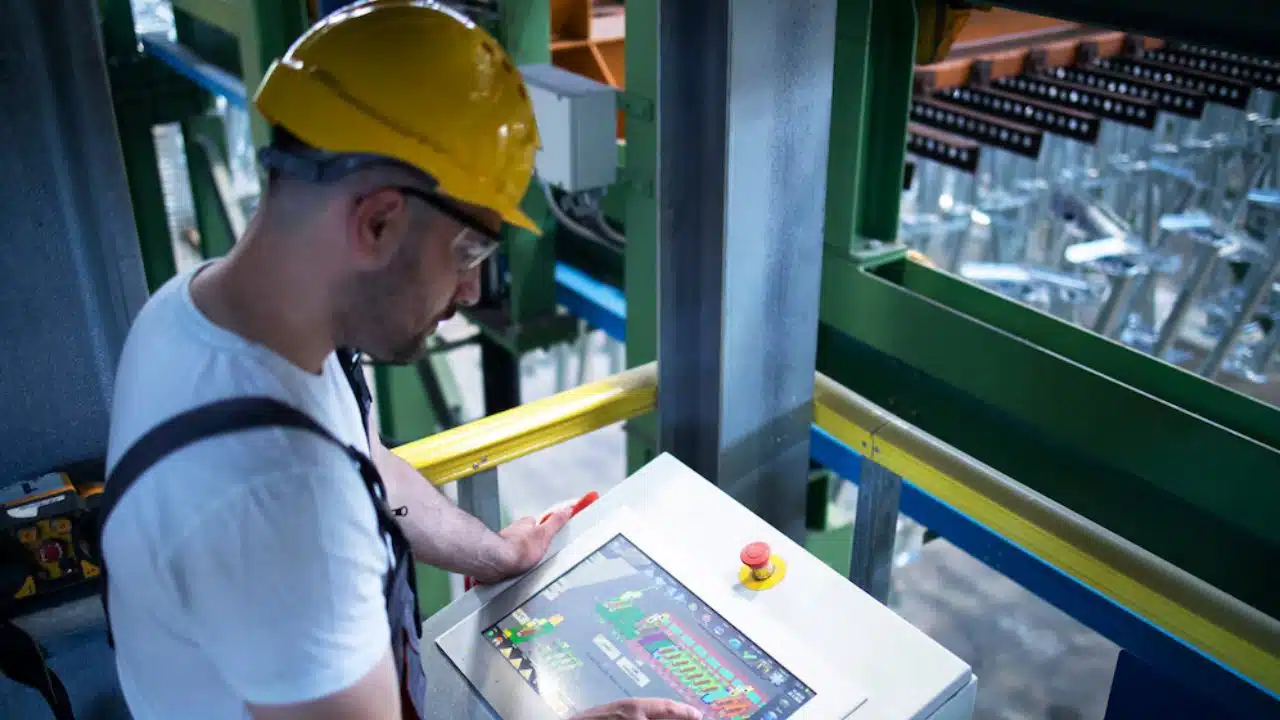
As you step onto the factory floor, you’re greeted not by machinery’s cacophony but by interconnected systems’ hum. Welcome to the era of smart factories, where Industry 4.0 is revolutionizing manufacturing as you know it. Gone are the days of isolated production lines and manual processes. Today, you’re witnessing a paradigm shift towards Reliable quality inspection software for precision and intelligent manufacturing ecosystems. This transformation reshapes every aspect of production, from design and planning to execution and maintenance. In this article, you’ll explore how smart factories are evolving and their profound impact on the manufacturing landscape.
The Rise of Industry 4.0 and Smart Factories
The dawn of Industry 4.0 has ushered in a new manufacturing era, revolutionizing how we produce goods and manage supply chains. This fourth industrial revolution is characterized by integrating digital technologies into manufacturing processes, creating what we now call “smart factories.”
The Foundation of Industry 4.0
At its core, Industry 4.0 is built on the convergence of several key technologies:
- Internet of Things (IoT)
- Artificial Intelligence (AI) and Machine Learning
- Big Data Analytics
- Cloud Computing
- Advanced Robotics
These technologies work together to create a highly connected, data-driven manufacturing environment. Smart sensors and IoT devices collect vast amounts of data from every aspect of the production process, while AI and machine learning algorithms analyze this information in real-time to optimize operations.
Transforming Traditional Factories
The transformation from traditional factories to smart factories is not just about adopting new technologies—it’s a fundamental shift in how manufacturing is approached. Smart factories leverage automation and data exchange to create a more flexible, efficient, and responsive production system.
Key features of smart factories include:
- Predictive maintenance: Using sensor data and AI to anticipate equipment failures before they occur.
- Real-time quality control: Continuous monitoring and adjustment of production processes to ensure consistent quality.
- Adaptive manufacturing: Quickly reconfiguring production lines to meet changing demands.
This evolution is driving unprecedented levels of productivity, quality, and customization in manufacturing. As Industry 4.0 matures, we expect to see even more innovative applications to reshape the manufacturing landscape further.
Key Components of a Smart Factory
Interconnected Systems
At the heart of every smart factory lies a network of interconnected systems. These systems, from production machinery to inventory management software, communicate seamlessly through the Industrial Internet of Things (IIoT). This connectivity allows for real-time data sharing and analysis, enabling manufacturers to make informed decisions quickly and efficiently.
Advanced Sensors and Actuators
Smart factories rely heavily on advanced sensors and actuators to monitor and control various aspects of the production process. These devices collect vast amounts of data on everything from equipment performance to environmental conditions. Actuators, in turn, use this information to make automatic adjustments, optimizing production parameters without human intervention.
Data Analytics and Artificial Intelligence
The true power of a smart factory comes from its ability to process and analyze the enormous amounts of data generated by its interconnected systems. Advanced analytics platforms, often powered by artificial intelligence and machine learning algorithms, sift through this data to identify patterns, predict maintenance needs, and optimize production schedules. This predictive capability allows manufacturers to prevent downtime, reduce waste, and improve overall efficiency.
Cloud Computing and Edge Processing
A combination of cloud computing and edge processing is essential to handling the vast computational needs of a smart factory. Cloud platforms provide the scalability and storage capacity needed for long-term data analysis and complex simulations. Meanwhile, edge computing devices process time-sensitive data locally, reducing latency and enabling real-time decision-making on the factory floor.
Cybersecurity Measures
As smart factories become increasingly connected, robust cybersecurity measures are crucial. Advanced firewalls, encryption protocols, and continuous monitoring systems protect sensitive data and prevent unauthorized access to critical systems. These security measures ensure the integrity and reliability of the smart factory ecosystem, safeguarding against potential cyber threats and maintaining operational continuity.
How Quality Inspection Software Enables Smart Manufacturing
Quality inspection software is a cornerstone of smart manufacturing, revolutionizing the way factories operate and maintain product standards. This advanced technology integrates seamlessly with Industry 4.0 principles, enhancing efficiency and accuracy throughout production.
Real-time Monitoring and Analysis
Quality inspection software provides real-time monitoring capabilities, allowing manufacturers to track production quality continuously. By leveraging machine learning algorithms, these systems can instantaneously detect deviations from quality standards. This immediate feedback loop enables swift corrective actions, minimizing waste and preventing defective products from progressing further down the production line.
Predictive Maintenance and Process Optimization
One key benefit of quality inspection software is its ability to predict potential issues before they occur. By analyzing historical data and current production metrics, these systems can forecast when equipment might fail or when processes may deviate from optimal performance. This predictive capability allows manufacturers to schedule maintenance proactively, reducing downtime and optimizing overall equipment effectiveness (OEE).
Data-Driven Decision Making
Reliable quality inspection software generates vast amounts of data, providing invaluable insights into manufacturing processes. This wealth of information empowers managers to make data-driven decisions, identify areas for improvement, and implement targeted optimizations. By analyzing trends and patterns, manufacturers can fine-tune their processes, leading to continuous improvement in product quality and operational efficiency.
Integration with IoT and AI
Modern quality inspection software seamlessly integrates with Internet of Things (IoT) devices and artificial intelligence (AI) systems. This interconnectedness allows for a holistic approach to quality management, where every aspect of the production process is monitored and optimized. These integrated systems ensure consistent quality throughout the manufacturing journey, from raw material intake to final product inspection.
Final Thoughts
As you’ve seen, Industry 4.0 and smart factories are revolutionizing manufacturing. By embracing these technologies like Reliable quality inspection software for precision, your company can boost efficiency, reduce costs, and gain a competitive edge. Integrating IoT, AI, and data analytics enables unprecedented levels of automation and insight. While the transition may seem daunting, the long-term benefits outweigh the initial investment. As this trend accelerates, those who adapt will thrive, while those who resist may be left behind. The future of manufacturing is bright, connected, and data-driven. By staying informed and strategically implementing these innovations, you can position your organization at the forefront of this industrial revolution.






















