More than just a store of value, Bitcoin is a decentralized, peer-to-peer electronic cash system that allows users to send and receive money anonymously. A cryptocurrency is based on a complex system of interconnected components. Because Bitcoin was the first of its kind, it’s crucial to understand how and why these ecosystems work on the internet today.
Learn about the Bitcoin network’s inner workings to have a better understanding of this digital movement and how it affects the global economy.
Important Points to Keep in Mind
Distributed Ledger (DLT): A database that may be modified by several users, such as a blockchain.
Verifying transactions is the goal of mining. Bitcoin is the currency of choice for miners.
A tiny amount of bitcoin is paid by Bitcoin users to the miners who process their transactions. A transaction charge is what’s used to describe this.
Bitcoin’s storage mechanisms are its Achilles’ heel. The blockchain is supposed to be unbreakable.
You’ll see a new block and visit here every 10 minutes if you implement this update. Solving the hash currently requires, on average, tens of billions of attempts. 1 Bitcoin mining has been significantly more difficult since its inception, as evidenced by this graph.
To do the heavy lifting required by mining, huge, expensive machinery and a significant amount of electricity are required. And it’s a tough battle to take on. Because no one can predict what nonce will work, the objective is to have as many machines as possible work on the hash in order to obtain the reward as rapidly as feasible. Because of this, there are mining farms and mining pools available.
Halving
The concept of “halving” is critical in Bitcoin mining. For solving the hash at first, 50 BTC were offered as a reward. So, in 2012, the awards were reduced to 25, 12,5, and 6.25 percent. In 2024, the award is expected to be halved to 3.125, and in 2028, it will be halved again to 1.5625.
That’s when miners will be compensated just in fees to keep the network running after all 21 million bitcoins have been mined.
Keys and cash
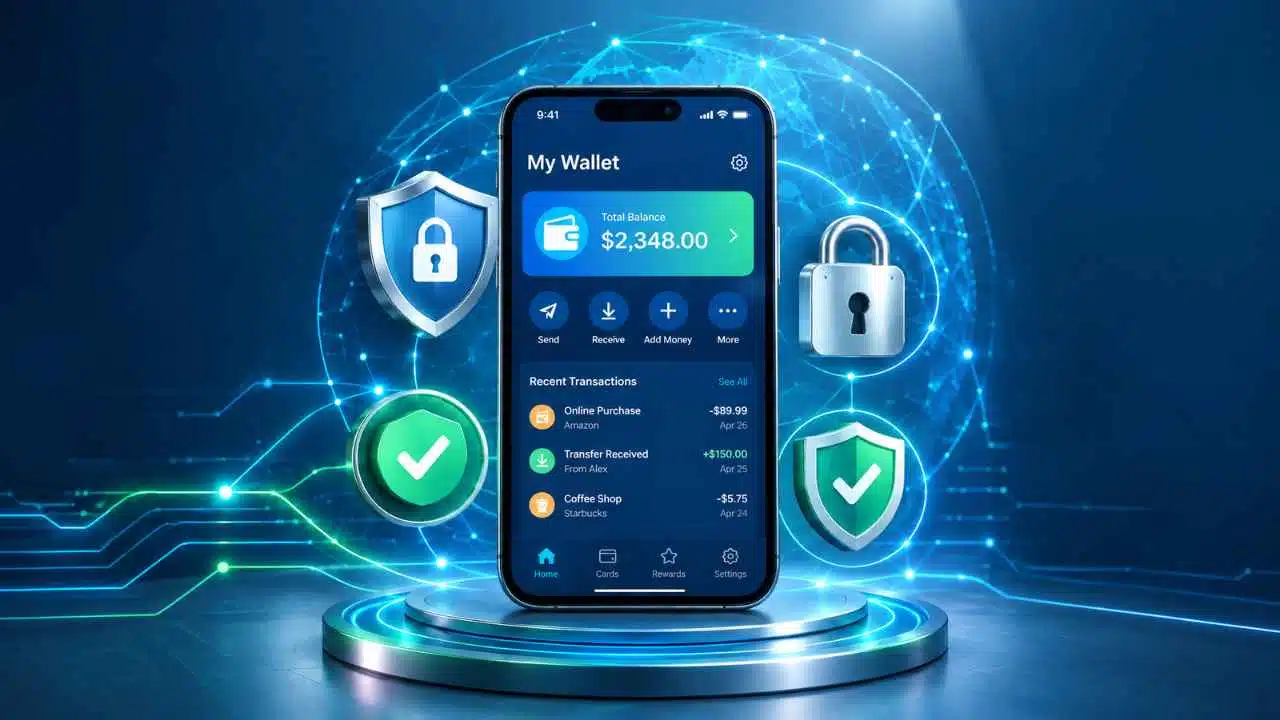
“What is Bitcoin?” is a common question from newbies “I invested in a digital currency known as bitcoin. What time is it?” Think of the Bitcoin blockchain as a bank that everyone uses to keep their money safe and secure. An electronic wallet is like a bank’s mobile app and allows you to check your balance. For many people nowadays, it’s rare to see money in their bank account because they rarely use it. The only way you can access your bitcoins is through the use of an electronic wallet and unique encryption keys.
The keys to the Bitcoin Blockchain
Transactions in the Bitcoin blockchain are recorded in chronological order. Peers have verified this list’s authenticity. What’s the deal? An entire sequence of transactions is not stored in one place. Instead, it is dispersed among a network of computers and systems. These parts are referred to as nodes. Since each node has a copy of the blockchain, every time a modification is validated, the blockchain is updated across all of the nodes.
Blocks
- The block hash, a 256-bit value that stores the following information, is generated when a block on the blockchain is opened.
- The Bitcoin client is running on the block version.
- Prior to this block, the hash of the previous block is:
- First in a block is a transaction known as the coin base transaction, which is responsible for paying the bitcoin reward.
- The height of the block indicates how far away it is from the first block numerically.
- There are 256 bits in a Merkelroot, and each bit contains information about the blocks that came before it.
- The timestamp shows the date and time the block was opened.
- The purpose of the network is expressed in bits.
- A random 32-bit number called the nonce is used in all of the operations.
The block is closed, the hash is generated, and the transactions that are in queue are added to the block. The blocks that came before it is referenced in the material in the blocks that follow. The act of validating and opening blocks is known as mining.
Bitcoin mining
Cryptocurrency mining involves creating and verifying new blocks on the blockchain.
Hash is the primary target of mining software and devices. They’re looking for a number that’s close to the block’s hash. The nonce is used as a variable number that increases each time a guess is made to try to match the random hash to the block hash. A miner’s hash rate measures how many hashes they can produce per second.
Mining software generates hashes across the network. To see who can solve the hash earliest, the miners engage in a contest of skill. The winner receives the bitcoin price, and the process repeats itself for the following set of transactions in the same block.