

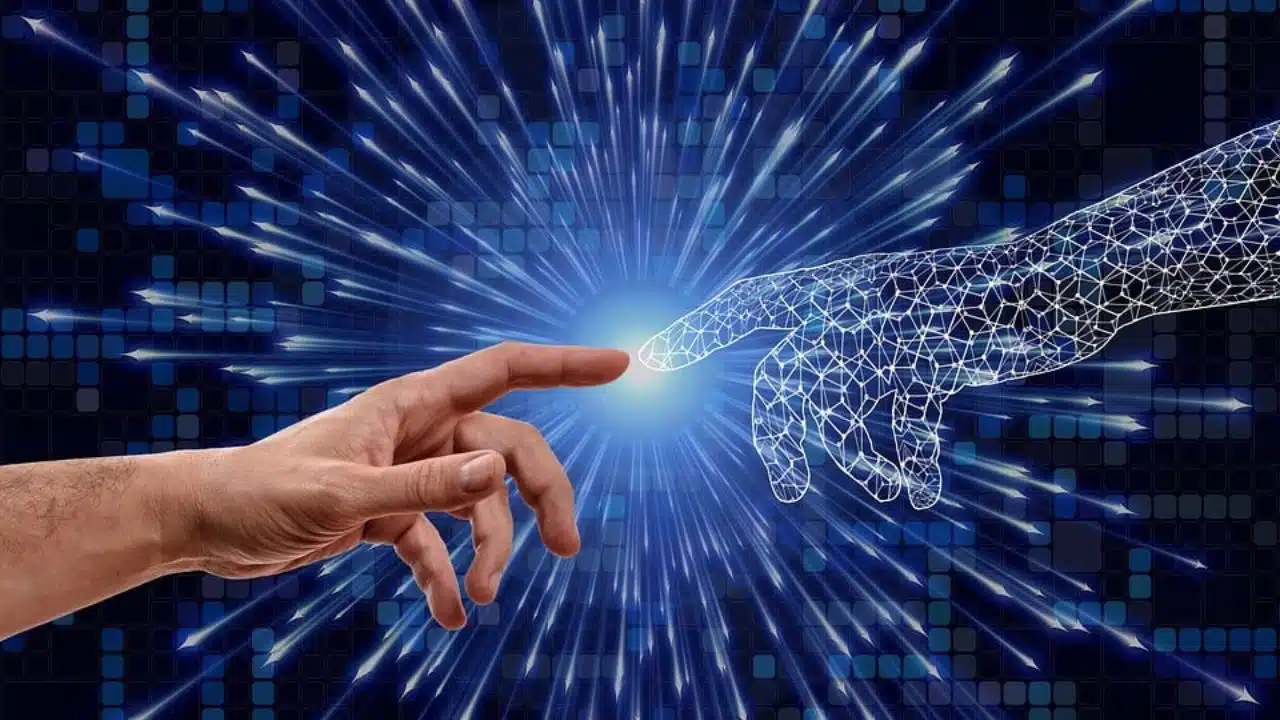
The entertainment industry is in the middle of a massive transformation, and two technologies, artificial intelligence [AI] and blockchain, are leading the charge. From personalized content recommendations on streaming platforms to provably fair gaming in online casinos, these innovations are reshaping the way we consume and interact with digital entertainment.
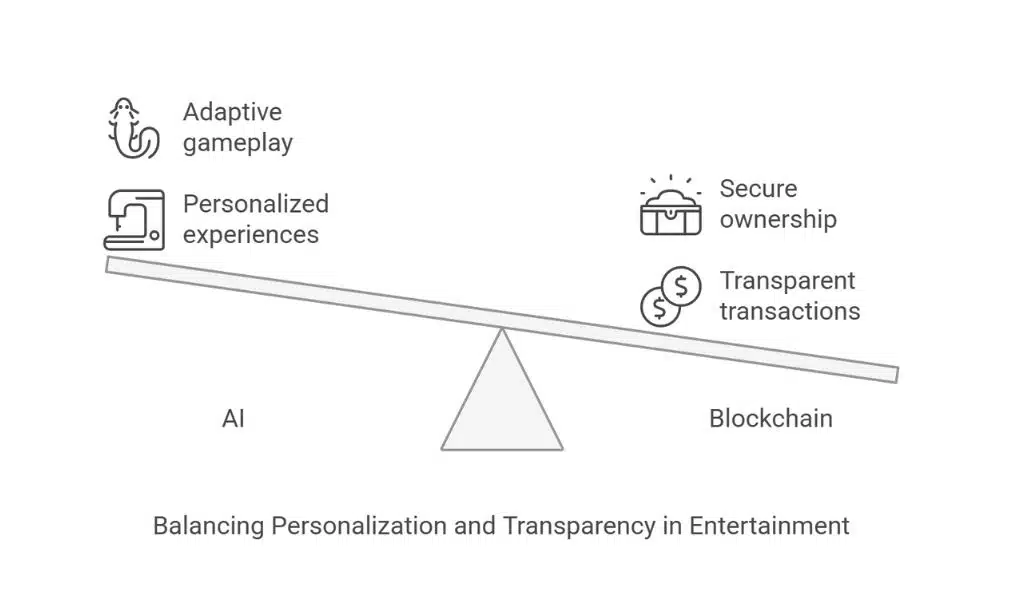
AI is making experiences more tailored to individual users, while blockchain is bringing transparency, security, and true digital ownership to industries like gaming, music, and film. Together, they are unlocking new possibilities that were unimaginable just a decade ago.
Blockchain’s Role in Fair and Transparent Gaming
Blockchain technology is fundamentally changing the gaming and iGaming industries by providing transparency and security. Traditional iGaming platforms often rely on opaque systems, where players have no way of verifying whether games are truly fair. But with blockchain-based platforms, every transaction and game outcome is recorded on an immutable ledger that players can audit themselves.
This innovation is particularly valuable in the world of iGaming, where fairness and security are top concerns. Top gaming platforms are integrating blockchain to ensure fair gaming experiences. With instant, tamper-proof transactions, and complete transparency, players can trust that the games they play are free from manipulation. That way, iGamers can use various time-limited incentives, special games, and cashback bonuses [source: www.megadice.com]. Unlike traditional payment methods, which can take days to process, blockchain transactions are instant and highly secure. Players no longer have to deal with bank delays, hidden fees, or concerns about sharing personal financial details online. As technology continues to evolve, the tech world can expect even more groundbreaking advancements in gaming.
AI’s Impact on Personalized Content and Gaming
AI has become a key player in entertainment by making content smarter and more responsive. If you’ve ever been amazed at how Netflix knows exactly what you want to watch next or how Spotify curates the perfect playlist, that’s AI in action. These platforms use complex algorithms to analyze your viewing or listening habits, learning your preferences and predicting what you’ll enjoy next.
AI isn’t just about recommendations. It’s also transforming gaming by making in-game characters [NPCs] more intelligent and gameplay more immersive. In modern video games, AI adapts to the player’s skill level, making challenges more dynamic and engaging. Instead of scripted enemy behaviors, AI-driven opponents learn and respond in real time, creating a more organic and unpredictable gaming experience.
Another breakthrough is procedural content generation, where AI helps developers create vast open worlds with unique landscapes, quests, and character interactions. Games like No Man’s Sky and Minecraft leverage this technology to offer expansive, ever-evolving environments.
The Rise of NFTs and Digital Ownership in Gaming
For years, gamers have spent real money on in-game items, from character skins to virtual weapons. There’s always been one major problem—you don’t actually own these digital assets. If a game shuts down or bans your account, everything you’ve purchased is gone. Blockchain is fixing this through non-fungible tokens [NFTs]. NFTs allow gamers to truly own digital items and even trade them across different games. Imagine earning a rare sword in one game and then using it in another, or selling it for real-world money. This player-driven economy is already taking shape in blockchain-based games like Axie Infinity and Decentraland.
Big gaming companies are also jumping on board. Ubisoft launched Quartz, a platform that introduces NFT-based items into their games, and Square Enix has expressed interest in blockchain gaming. While some gamers remain skeptical, the shift toward real ownership is gaining momentum.
How Blockchain Is Reshaping Music and Film
It’s not just gaming—blockchain is revolutionizing how music and films are distributed and monetized. For years, artists have struggled with unfair revenue-sharing models from streaming platforms like Spotify and Apple Music. Currently, Spotify pays artists between $0.003 and $0.005 per stream, meaning a song with a million streams might earn only $3,000 to $5,000.
Blockchain offers a fairer alternative by allowing musicians to sell their music directly to fans through decentralized platforms. Smart contracts ensure that artists receive immediate payments without the need for middlemen like record labels or streaming platforms to take a large cut.
One example of this in action is Audius, a blockchain-powered music streaming platform where artists retain full ownership of their work and earn directly from their listeners. Similarly, filmmakers can use blockchain to distribute their movies without relying on major studios, giving them greater control over their content and profits.
AI-Generated Content: The Next Frontier
AI isn’t just helping with recommendations—it’s now capable of creating original content. AI-driven tools can compose music, write scripts, and even generate visual art.
In Hollywood, AI is being used to analyze scripts and predict a film’s success based on factors like genre, cast, and storyline. Streaming platforms like Netflix also use AI to decide which original series to produce based on viewing trends.
On the music side, AI-generated compositions are becoming increasingly sophisticated. OpenAI’s Jukebox can create original songs in different styles, mimicking the voices of famous artists. Some musicians are even collaborating with AI to produce new sounds, blending human creativity with machine learning.
While AI-generated content raises ethical questions about authorship, there’s no denying its potential to transform the entertainment industry. In the future, we might see AI co-writing blockbuster movies or producing entire albums without human intervention.
Decentralized Film and TV Distribution
Blockchain is also changing how movies and TV shows are distributed. Traditionally, big studios and streaming platforms control what content gets seen and who profits from it. But blockchain-powered platforms are making it possible for independent creators to distribute content directly to audiences without intermediaries.
For example, the blockchain-based streaming service Livepeer allows filmmakers to distribute their work and get paid directly from viewers. Smart contracts automate royalty payments, ensuring that creators receive their fair share instantly.
This decentralized model has the potential to level the playing field for independent artists, allowing them to compete with major studios without sacrificing creative control or revenue.
Security and Fraud Prevention in Online Entertainment
One of the biggest challenges in digital entertainment is fraud, whether it’s identity theft, fake reviews, or ticket scalping. AI and blockchain are tackling these issues head-on.
AI-powered fraud detection systems analyze vast amounts of data to identify suspicious activity in real time. Online marketplaces use AI to detect fake reviews, while ticketing platforms leverage AI to combat scalping bots.
Blockchain enhances security by ensuring that digital transactions are tamper-proof. In the music industry, it can help prevent piracy by encrypting digital files and tracking ownership. In online gaming, blockchain can eliminate cheating by storing game data on an immutable ledger.
What’s Next for AI and Blockchain in Online Entertainment?
AI and blockchain are still evolving, and their impact on entertainment is only growing. One major shift is AI-enhanced storytelling, where games and films use machine learning to create dynamic, personalized narratives. In gaming, AI-generated quests and characters adapt to player choices, making experiences feel more immersive. In film and TV, AI-assisted scriptwriting and predictive analytics help studios craft stories that resonate with audiences.
Blockchain is also transforming digital economies, particularly through play-to-earn [P2E] gaming models. Players can now earn cryptocurrencies or NFTs for their in-game achievements, creating real-world value for digital assets. As more games adopt these mechanics, we could see the rise of fully developed virtual economies in the metaverse, where users can trade virtual goods, own digital real estate, and even generate income through gameplay.
The way artists and creators are compensated is also changing. Smart contracts on blockchain networks allow musicians, filmmakers, and content creators to receive instant, transparent royalty payments without intermediaries. This eliminates long delays and ensures fair compensation for their work.
As these technologies continue to advance, the entertainment industry will become more immersive, fair, and interconnected, giving both creators and audiences more control over their digital experiences.





















