Holiday shopping can often feel like a frantic race against the clock. You identify an excellent opportunity, but in an instant, it vanishes from availability. I have certainly experienced this situation, and it is indeed disheartening to miss out. That is precisely why Cyber Monday has become such a massive event.
The history of Cyber Monday started in 2005 as a simple online version of Black Friday; it has grown from modest discounts on laptops to a global phenomenon offering doorbuster deals on everything from skin care to gaming consoles like the PS5. We are going to explore how this day started and how you can use that history to spot the best Cyber Monday 2025 bargains.
Key Takeaways
- The name’s origin: Ellen Davis and Shop.org created the term in 2005 after noticing a recurring spike in online traffic the Monday following Thanksgiving.
- Explosive growth: While U.S. sales were just $1.028 billion in 2010, they skyrocketed to over $12.4 billion by 2023, proving that digital shopping is now the dominant holiday preference.
- Global adoption: The event is no longer just American; Canada joined in 2008, and retailers like Amazon.de launched “Cyber Monday week” in Germany by 2014.
- The mobile shift: Fast internet and better smartphones changed the game, with mobile devices now accounting for over 51% of all holiday revenue during Cyber Week.
- Modern tactics: Stores like Best Buy and Target now rely on app-exclusive drops, personalized email offers, and price match guarantees to capture your attention.

What Are the Origins of Cyber Monday?
The story begins with a specific pattern in consumer behavior. Back in the early 2000s, most people had slow dial-up connections at home, but they had fast broadband access at their offices.
Ellen Davis from the National Retail Federation (NRF) and Scott Silverman noticed that workers returned to their desks on the Monday after Thanksgiving and immediately started buying the gifts they saw over the weekend. They realized this wasn’t just a fluke; it was a predictable trend.
“We wanted to give it a name that would really resonate. We considered ‘Blue Monday’ initially, but that sounded too depressing. ‘Cyber Monday’ captured the energy of the online shift perfectly.” — Ellen Davis, NRF
On November 28, 2005, they issued a press release titled “Cyber Monday Quickly Becoming One of the Biggest Online Shopping Days of the Year.” At the time, popular items were smaller tech gadgets, digital cameras, and simple kitchen appliances like pepper mills. While Tony Valado at 1800Flowers.com had experimented with “White Wednesday” in 2003, it was the Shop.org data that solidified Cyber Monday as a national event.
The New York Times reported that this “shopping spree” was driven largely by office productivity tools. This shift helped shape how ecommerce giants pitch flash deals today. Whether you are looking for specials at Best Buy or furniture from Design Within Reach, the strategy remains the same: catch the shopper when they are most connected.
How Did Cyber Monday Grow in the United States?
The growth of Cyber Monday tracks perfectly with the improvement of internet speeds. In 2005, a Shop.org study found that 77% of online retailers saw a massive sales bump on this specific Monday.
Shoppers were eager to grab deals from online shops while ostensibly working. The revenue numbers climbed consistently year over year:

- 2006: U.S. shoppers spent $608 million, a 25% jump from the inaugural year.
- 2010: Sales crossed the billion-dollar threshold for the first time, hitting $1.028 billion.
- 2018: Spending soared past $7 billion as logistics networks improved.
- 2023: Adobe Analytics reported a record-breaking $12.4 billion in sales, largely driven by “Buy Now, Pay Later” usage.
Even during tough economic times, customers continued to scour the web for tech deals and essentials like a warm down jacket or pullover. Major retailers adapted quickly. Best Buy and Walmart began pushing harder into online inventory, offering significant discounts on high-ticket items like iPads and kitchen appliances.
This leveled the playing field for smaller businesses too. By joining eHoliday campaigns, niche stores could compete with the giants. By 2020, the event had reached an eye-popping $10.7 billion, cementing its status as the highest single-day online sales event in U.S. history up to that point.
Cyber Monday’s Expansion to Other Countries
Cyber Monday packed its bags and hopped borders rapidly. What started as an American habit of shopping from work computers has become a global standard for snagging tech deals and kitchen appliances.
How is Cyber Monday Celebrated in the United Kingdom?
British shoppers have embraced the digital rush with enthusiasm. The term formally appeared in the UK around 2009 as retailers watched the success across the Atlantic. Today, major chains like John Lewis, Currys, and Amazon UK roll out aggressive tech deals on laptops and gaming consoles.
Brands race to send emails packed with urgent offers on diverse items, from Sonicare brushes to Adidas Adilette sandals. Marketing teams use predictive data to target shoppers the moment they wake up, ensuring they snag top Cyber Monday deals before stock runs dry.
How Does Canada Participate in Cyber Monday?
Canada joined the party in 2008. Originally, Canadian retailers watched their customers flock to U.S. websites to take advantage of the currency exchange rates. To keep that revenue at home, they launched their own aggressive online sales.
By 2010, participation was high, and today, names like Le Creuset and Best Buy Canada offer massive discounts. You will find deals on everything from beauty cleansers for acne to stylish bomber jackets. It effectively extends the Black Friday momentum into a full week of sales.
What is Cyber Monday Like in Germany?
Amazon.de introduced Cyber Monday to the German market in 2010. It resonated so well that by 2014, the concept had expanded into an eight-day “Cyber Monday week.”
Electronics retailers like Saturn and MediaMarkt cut prices heavily on home goods and tech gadgets. The interest in Germany has shot up annually, helping to boost e-commerce figures across the entire European continent. Social media platforms like Instagram play a huge role here, spreading news of flash sales to millions of users instantly.
How Has Technology Contributed to Global Success?
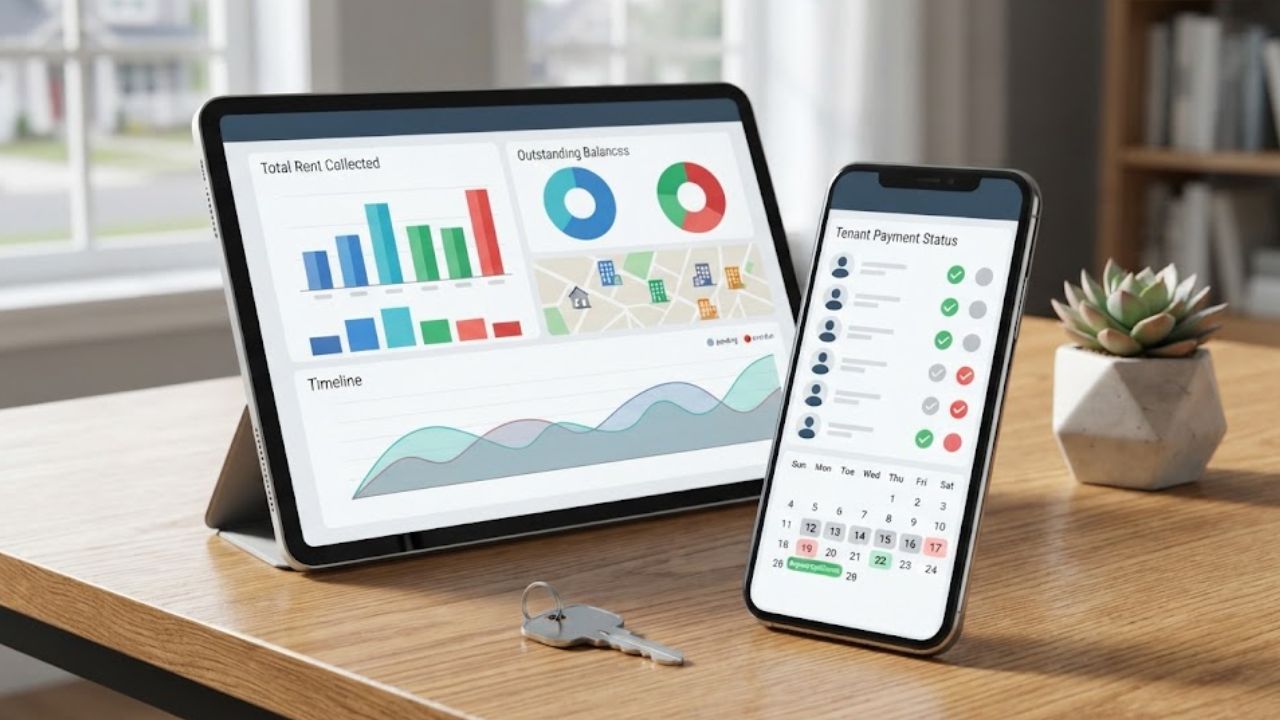
The biggest driver of Cyber Monday’s recent growth is the smartphone. In the early days, you had to be at a desktop computer. Now, people grab Cyber Monday deals while commuting or waiting in line for coffee.
Mobile capability has forced retailers to innovate in several key areas:
- Dedicated Apps: Stores like Best Buy use app-only tech deals to keep you glued to their specific ecosystem.
- Scalable Servers: Fast internet and cloud hosting allow sites to handle millions of concurrent users without crashing, a major improvement over the early days.
- Digital Wallets: Integration with Apple Pay and PayPal makes checking out a one-tap process, reducing the time you spend thinking about the total cost.
- Personalization: Data tools analyze your browsing history to predict exactly what you want. Maybe Cyber Monday 2025 will show you a discount on a biolite gadget or a wet/dry vacuum just as you realize you need one.
While glitches still happen—like Australia’s Click Frenzy crash in 2012—technology has generally made the experience seamless. It allows information about discounts on everything from adissage footwear to pepper grinders to travel globally in seconds.
What Impact Has Cyber Monday Had on E-Commerce Trends?
Cyber Monday fundamentally flipped the script on holiday shopping. The classic image of the season used to be shivering in line at 4:00 AM for a doorbuster. Now, the hunt happens from the comfort of your couch.
This shift has forced retailers to pour money into digital infrastructure. They now invest heavily in inventory management software and mobile user experience design. The distinction between physical and digital retail has blurred, leading to the rise of “Cyber Week” rather than just a single day.
Shoppers have also become more comfortable buying large, complex items online. Ten years ago, you might not have bought a mattress or a high-end TV without seeing it. Today, generous return policies and detailed reviews make buying luxury pillowcases or suitcases online feel safe. This comfort level is the catalyst for the creative deal strategies we see across the entire online shopping space.
How Does Cyber Monday Compare to Black Friday?
Both days are titans of the retail calendar, but they serve different needs. Here is a clear breakdown of how they stack up against each other:

| Aspect | Cyber Monday | Black Friday |
|---|---|---|
| Origin Year | 2005 (Coined by NRF & Shop.org) | 1950s (Philadelphia police term) |
| Primary Focus | Online-exclusive deals & tech | In-store doorbusters & big ticket items |
| Typical Goods | Laptops, smart home devices, digital gadgets | Appliances, toys, clothing, home goods |
| Retailer Size | Levels the playing field for small shops | Historically favored massive big-box stores |
| Stress Level | Low (Shop from sofa) | High (Crowds, lines, parking) |
| Recent Trend | Sales volume often exceeds Black Friday | Steady, but digital mix is increasing |
What Regional Variations Exist in Cyber Monday Deals?
While the concept is American, the execution varies wildly by region. In Australia, the “Click Frenzy” event launched in 2012 serves a similar purpose, creating a localized burst of online activity that rivals the U.S. version.
Japan has taken a different approach by stretching the sales period. Since 2012, retailers there have turned it into a week-long celebration, making it feel less like a sprint and more like a marathon. In South America, Chile’s cyber events have generated hundreds of millions in sales, with high participation rates across the country.
European variations are also distinct. The Netherlands saw participating store counts climb to nearly 200 by 2019. In Belgium, online revenue jumped 50% year-over-year during the mid-2010s as the trend took hold. Whether you are in Poland or Canada, the common thread is the “fear of missing out” driving massive traffic to sites like Amazon and local favorites alike.
What Are Notable Retailers’ Strategies for Cyber Monday?
Retailers know that you have endless options, so they use aggressive tactics to win your business. It is not just about lowering prices; it is about keeping you engaged.
- The “Creep” Strategy: Stores like Best Buy now start sales weeks early. You will see “Early Cyber Monday” tags appearing well before Thanksgiving to capture your budget before competitors do.
- Membership Stacking: Programs like My Best Buy Plus or Target Circle offer extra incentives. Earning a $5 bonus for every $50 spent creates a “loyalty loop” that keeps you shopping at one store.
- Inventory Clearing: Retailers use this day to move specific inventory. You will often see deep cuts on last year’s tech, like an iPhone 12 or a previous-gen Samsung Galaxy, priced to move immediately.
- Category Expansion: While it started with tech, retailers now push “lifestyle” goods. Expect to see 50% off holiday décor, furniture, and kitchen appliances like air fryers alongside the usual laptops.
- Frictionless Fulfillment: To compete with Amazon Prime, stores offer free shipping with no minimums or “curbside pickup” options that let you get your item within hours of clicking buy.
- Price Protection: Many major retailers now offer price match guarantees from November 1 through December 24. This removes the “what if it gets cheaper?” anxiety that stops people from buying.
- App Exclusives: To get real estate on your phone, brands offer deals that are only visible in their mobile app. This helps them send you push notifications long after the holiday season ends.
- Urgency Triggers: You will see countdown timers and “low stock” warnings. These are psychological triggers designed to make you click “checkout” on that gift card or pair of insoles immediately.
Takeaways
Cyber Monday started as a niche marketing term, but it has evolved into the backbone of the holiday shopping season. It allows people everywhere to hunt for kitchen appliances, tech deals, and gifts without battling traffic or weather.
Retailers will continue to refine their strategies with smarter data and faster apps, hoping to catch your eye with the perfect offer. As we move through Cyber Monday 2025 and beyond, the event will likely keep growing, making it easier than ever to snag your favorite gadget or skincare set from the comfort of home.
FAQs on the History of Cyber Monday
1. What sparked the idea for Cyber Monday, and how does it connect to Black Friday?
The National Retail Federation actually coined the term in 2005 after noticing a massive spike in online shopping as people returned to high-speed office internet after the holiday weekend. It essentially became the digital partner to Black Friday, allowing you to catch the holiday shopping buzz and snag deals without ever leaving your desk.
2. How did Cyber Monday grow into a global event?
What started as an American trend has exploded worldwide, with Adobe Analytics reporting that shoppers spent a record $12.4 billion during the recent event. Major retailers like Best Buy now push these tech deals across international borders, making it a universal day for savings.
3. When is Cyber Monday 2025, and why do folks look forward to it?
Cyber Monday 2025 lands on December 1st, giving you the perfect opportunity to score huge Cyber Monday deals on everything from kitchen appliances to luxury skincare products that exfoliate your winter skin.
4. Why do shoppers prefer online shopping during Cyber Monday instead of going out?
You can skip the freezing lines and compare prices instantly from your phone while enjoying your morning coffee. Most people find this far less stressful than fighting crowds, especially when trying to haul large items home.