Warner Bros. Discovery is making a major course correction in the streaming world — and the company’s new approach centers on something old: the historic power of the HBO brand. After years of chasing scale, merging services, and trying to compete head-to-head with Netflix, the company is now shifting back to its roots. And that means restoring HBO’s identity, sharpening Max’s purpose, and rebuilding the kind of prestige storytelling that once made HBO the most trusted name in premium entertainment.
The story of how HBO lost its identity — and how it’s now getting it back — reflects the broader evolution of the entire streaming industry. And it marks a meaningful acknowledgment from Warner Bros. Discovery executives: trying to be everything for everyone diluted the very qualities that made HBO special in the first place.
Over the last decade, the streaming wars pushed every major media company to pursue global scale. Companies experimented with aggressive content outputs, bigger libraries, and broad positioning meant to replicate Netflix’s “one-stop platform.” Even Disney and ESPN, despite having powerful consumer brands, eventually blended their offerings together inside bundled platforms. HBO, one of the most recognizable premium brands on the planet, was not immune to this trend. As Warner Bros. Discovery absorbed HBO Max and Discovery+, the company decided to rebrand the combined platform simply as “Max.” The reasoning seemed logical at the time: offer something for everybody and compete at Netflix’s level.
But as Casey Bloys — Chairman and CEO of HBO and Max Content — recently admitted, the all-things-to-all-people strategy undermined what made HBO unique. Speaking to journalists at the company’s Hudson Yards offices, Bloys was blunt. He said Netflix’s first-mover advantage transformed it into a consumer “utility” — a platform people check by default. Other streaming competitors, in trying to match Netflix’s breadth and volume, ended up losing their own brand identities in the process. HBO, in being folded into Max, fell into that exact trap. The result was a platform that felt broader but less distinctive, more expansive but less meaningful.
Across the industry, streaming platforms have reached a new turning point. Mass-volume content strategies are slowing, while consumers are showing frustration with inconsistent releases, long gaps between seasons, and overwhelming libraries of unfocused content. With Netflix and YouTube now firmly cemented as the mainstream entertainment utilities, companies like Warner Bros. Discovery need to deliver something different: programming with a clear point of view, a premium feel, and a level of intentional creativity.
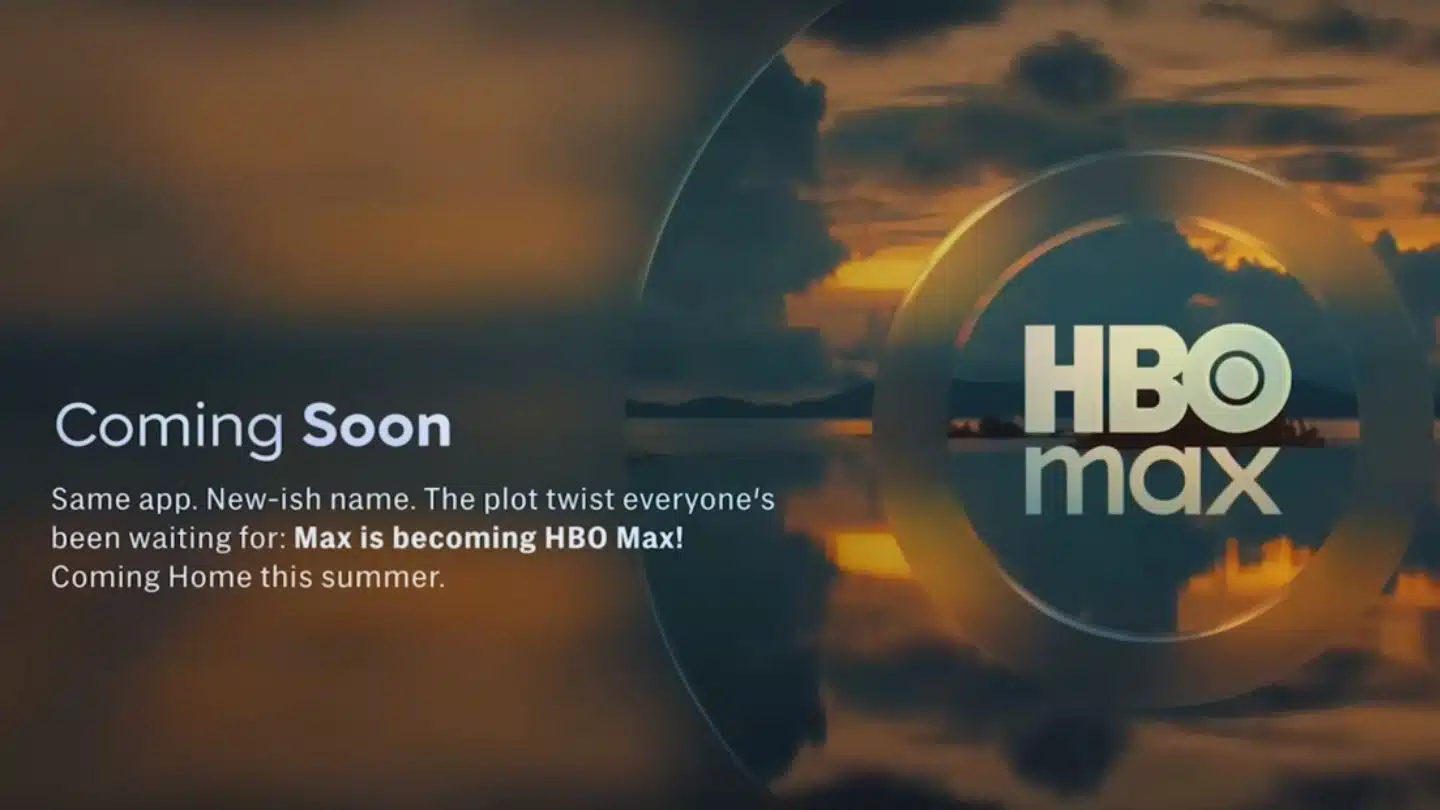
This recognition led to one of the most surprising moves in modern media: the decision to restore the HBO Max name after previously removing it. What seemed like a joke at the time — Bloys even joked that he still had unused HBO Max stationery — now signals a deep strategic pivot. Instead of fighting Netflix’s dominance head-on, HBO Max is embracing its natural advantage: premium, high-quality storytelling that consumers know and trust. In Bloys’ words, HBO’s identity “still means something.” And that meaning has value — culturally, creatively, and commercially.
The new direction isn’t just cosmetic. It’s reshaping how the company thinks about programming across the board. Because the truth is, the entertainment landscape itself has changed. The major studios used to rely on licensed blockbuster films to keep their premium services attractive. HBO once held the biggest movie output deals in Hollywood, offering subscribers huge theatrical releases shortly after they hit cinemas. But in the streaming era, studios like Disney, Paramount, and NBCUniversal pulled back their films to supply their own platforms. Broadcast networks, meanwhile, cut back on scripted shows, replacing them with cheaper unscripted content and live sports.
So HBO had to rethink how to fill those gaps — not by chasing volume, but by reinventing what premium, high-value television looks like in this new environment. That reinvention has taken two main forms. First, leaning heavily into major Warner Bros. franchises — Game of Thrones, DC Studios, Harry Potter, and major Warner Bros. Television properties. These tentpole brands don’t just bring global recognition; they also create year-round cultural engagement. Renewals like House of the Dragon and A Knight of the Seven Kingdoms ensure that Game of Thrones-related programming will continue through at least 2028, creating the kind of long-term viewer habit that streaming services desperately need.
Second, the company is building a clearer identity for Max Originals. For years, the term “Max Original” was vague and confusing — even Bloys joked that the category was nebulous to everyone, including him. Now, Max Originals have a defined purpose: they are elevated, high-quality series designed to deliver more episodes per season, return annually, and serve adjacent audiences who might not be core HBO viewers. Series like The Pitt embody this approach — shows that feel premium, but are structured to give subscribers consistent, habitual viewing throughout the year.
This strategy brings back a fundamental principle of traditional television: regularity. Bloys noted that TV used to mean 22-episode seasons, or even longer. These formats trained audiences to watch week-to-week, year-to-year. Streaming disrupted that rhythm with its shorter, high-budget seasons that often appear years apart. By producing shows with 12–15 episodes and developing genres like procedurals, family dramas, and character-driven series, Max is rebuilding the cadence that consumers have been missing.
At the center of it all, though, remains HBO’s signature programming — the heart of the brand and the foundation of its cultural impact. HBO continues to invest heavily in its flagship adult dramas, bold comedies, and creator-driven storytelling. Even as shows like Curb Your Enthusiasm conclude, new projects with original voices — including a new Larry David comedy (featuring the Obamas as producers), Rachel Sennot’s I Love LA, and the return of Euphoria — carry forward HBO’s tradition of giving writer-performers the space to define the tone and sensibility of entire series.
HBO’s signature has always been its point of view — smart, curated, writer-driven shows that challenge, provoke, and resonate. From Gary Shandling and Larry David to Lena Dunham, Issa Rae, and Danny McBride, HBO has long been home to creators who bring distinctiveness to television. This legacy continues with titles like The White Lotus, Task, and the upcoming DTF St. Louis. What connects them isn’t genre or format — it’s a level of quality and creative intention.
The company’s goal isn’t to make every subscriber love every show; it’s to make every subscriber trust that every show is crafted with a level of excellence that stands above the crowd. The unofficial brand promise is clear: if it’s on HBO Max, it’s worth your time.
HBO’s old slogan — “It’s not TV. It’s HBO” — has become relevant again. As streaming becomes the default delivery method for all entertainment, consumers aren’t simply “watching streaming” anymore. They are watching brands. And HBO is once again positioning itself as the gold standard: the signature, elevated, premium layer in a crowded and often confusing streaming ecosystem.
In restoring its name, curating its identity, and refining its content strategy, HBO Max is signaling its return to form. Not as a volume-driven competitor to Netflix, but as the place where great shows live — the kind of platform that doesn’t just add content to a library, but shapes culture.