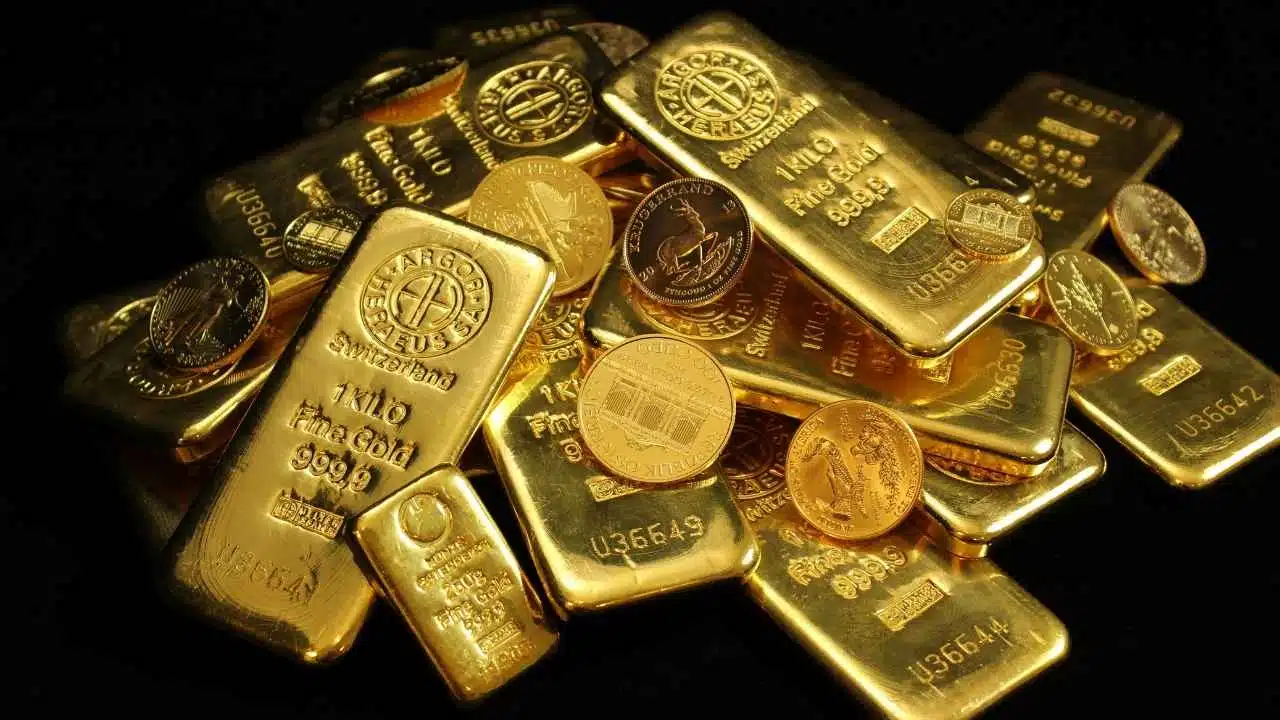
Gold and silver prices are consolidating at elevated levels in early 2026 after a spectacular 2025 surge, as investors weigh U.S. rate-cut expectations, shifting physical demand, and silver’s industrial supply tightness.
Where Gold And Silver Stand After A Breakout Year?
Gold and silver entered 2026 near the top of a range shaped by 2025’s outsized gains. The story is not that enthusiasm disappeared. It’s that markets are pausing after a fast run, with traders taking profits and waiting for clearer signals on inflation, growth, and central bank policy.
A year-end surge pushed gold into fresh record territory late in 2025. Early 2026 trading has extended that strength, but with more two-way price action than the straight-line momentum seen during peak phases of the rally. Silver, which can move more aggressively than gold, remains volatile after a dramatic run that outpaced most major assets in 2025.
Key price and performance highlights (as reported around January 2, 2026):
| Metric | Gold | Silver |
| Spot price (early Jan 2026) | ~$4,372/oz | ~$73.79/oz |
| Record referenced in late 2025 / early 2026 reporting | ~$4,549/oz (late Dec) | ~$83.62/oz (early week) |
| Reported 2025 annual gain | ~64% | ~147% |
This “consolidation” phase matters because it tests whether the rally was mostly a momentum event or whether deeper forces—policy, inflation protection, strategic demand, and supply constraints—can keep prices supported even when excitement cools.
Why The 2025 Surge Happened And Why The Market Paused?
Gold’s 2025 rally drew comparisons to its strongest calendar-year performance since the late 1970s. The drivers were familiar, but unusually aligned at the same time: expectations for easier monetary policy, persistent geopolitical uncertainty, and renewed interest from large investors who treated gold as portfolio insurance.
The shift from “surge” to “consolidate” is a normal pattern in liquid markets. After large gains, three things typically happen:
First, some investors lock in profits. That selling does not always signal bearish sentiment; it often reflects discipline after a fast move.
Second, new buyers become more selective. When prices jump quickly, investors demand better entry points and stronger confirmation from data.
Third, the market begins to trade the next set of catalysts rather than last year’s narrative. In early 2026, that means watching the pace of potential U.S. rate cuts, the inflation trend, and whether economic growth slows enough to reinforce safe-haven demand.
A simple “what changes price next” checklist:
| Factor | What Supports Gold | What Pressures Gold |
| U.S. interest-rate path | Faster or deeper cuts | Fewer cuts or higher-for-longer |
| Inflation trend | Sticky inflation or re-acceleration | Rapid disinflation with strong growth |
| Risk sentiment | Heightened geopolitical or recession concerns | Strong risk-on markets and calm geopolitics |
| U.S. dollar | Weaker dollar | Stronger dollar |
| Investment flows | ETF and institutional inflows | Outflows or reduced hedging demand |
Gold’s milestone move above $4,000 in October 2025 became a psychological anchor. Once that kind of level is broken, the market often needs time to build a new “normal” trading range around it.
The Big Drivers In 2026: Rates, Inflation, And Investor Demand
The most important near-term driver for precious metals is still monetary policy. Gold is not an income-producing asset, so it competes against bonds and cash. When interest rates fall, gold’s relative appeal can rise because the “reward” for holding cash and short-term instruments declines.
By late 2025, the U.S. Federal Reserve had begun cutting rates again, which supported precious metals into year-end and helped set the tone for early 2026. Markets also care about the Fed’s forward guidance—how policymakers see inflation, growth, and the likely path of rates—because expectations often move prices before policy changes actually happen.
Inflation remains the second major pillar. Even if inflation is lower than prior peaks, investors tend to hold gold when they believe inflation risks are not fully extinguished or when they worry that policy easing could reignite price pressures later.
A third pillar is portfolio behavior. Large funds often buy gold when they want protection against rare but damaging outcomes—financial stress, geopolitical shock, or sudden equity drawdowns. Those flows can be powerful because they can arrive quickly and in large size, especially when volatility rises.
Physical market signals also add color. Reporting from Asia in early January 2026 described gold buying improving after a pullback from record highs, with India and China flipping back toward premiums in local markets. That kind of shift can indicate that consumers respond to price dips even after a rally, helping stabilize demand during consolidations.
Silver’s Extra Fuel: Industrial Demand, Deficits, And Critical Mineral Status
Silver’s story overlaps with gold’s—but adds two unique accelerants: industrial demand and supply tightness.
Unlike gold, a large share of silver demand is industrial. It is used across electronics, electrical components, and clean-energy supply chains, including solar manufacturing. That means silver can rally not only on “safe-haven” flows, but also on real-economy demand when industrial activity is strong.
A key point often cited by analysts is that the silver market has recently run structural deficits. The World Silver Survey 2025 reported a global deficit of about 148.9 million ounces in 2024 and record industrial demand around 680.5 million ounces. When deficits persist, the market can become sensitive to even small disruptions—mine output issues, shipping constraints, or sudden bursts of investment demand.
Silver also gained a policy tailwind when it appeared on the U.S. government’s final 2025 list of critical minerals. That designation does not instantly change supply and demand, but it can shape longer-term investment and strategic planning. It can also influence sentiment by framing silver as more than a precious metal—positioning it as a strategic material tied to advanced manufacturing and national supply-chain priorities.
Silver’s supply dynamics can amplify price swings. A meaningful portion of global silver supply comes as a byproduct of mining for other metals. That matters because byproduct supply does not always respond quickly to higher silver prices. If a copper or zinc miner is the primary producer, silver output can remain relatively stable even if silver prices rise sharply, because the mine’s economics are driven mostly by the main metal.
That combination—industrial pull, policy attention, and supply rigidity—helps explain why silver often “catches up” fast during bull phases and why it can overshoot during momentum periods.
How silver differs from gold in plain terms:
| Topic | Gold | Silver |
| Primary demand identity | Store of value, hedge, jewelry | Hybrid: precious + industrial |
| Typical volatility | Lower | Higher |
| Supply responsiveness | Moderate | Often slower due to byproduct supply |
| Key sensitivity | Rates, risk sentiment, investment flows | Rates + industrial cycle + deficits |
What To Watch Next And What Consolidation Could Mean For Investors?
Consolidation can break in either direction. The key is what changes in the macro backdrop and whether physical and investment demand remain resilient.
Here are the most practical signposts for readers tracking gold and silver into 2026:
1) The pace and messaging of U.S. policy easing.
If markets start pricing fewer cuts, gold and silver can lose momentum. If cuts look more likely or deeper, the metals can regain upside traction.
2) Inflation surprises and real purchasing power concerns.
Gold typically benefits when investors worry inflation will stay above comfort levels or return after easing policy. The “inflation hedge” narrative can reassert itself quickly when prices for essentials rise or when inflation data prints above expectations.
3) Risk events and geopolitical stress.
Gold’s role as crisis insurance remains a powerful driver. Even when the base case is calm, a sudden shock can attract immediate defensive inflows.
4) Silver’s industrial pulse.
Manufacturing demand, clean-energy buildouts, and electronics production trends can sway silver more than gold. Strong industrial demand can keep silver supported even if pure “safe-haven” flows soften.
5) Physical premiums and consumer buying behavior.
When local markets shift to premiums after pullbacks, it can signal that real buyers are stepping in. That doesn’t guarantee a rally, but it often reduces the risk of a steep, sustained drop.
A forward-looking catalyst calendar (high level):
| Catalyst | Why It Matters For Metals | What To Look For |
| Central bank meetings | Rate outlook influences gold and silver | Changes in guidance and projections |
| Inflation releases | Shapes real purchasing power expectations | Upside surprises vs. cooling trend |
| Jobs and growth data | Recession risk boosts safe-haven demand | Weakening growth and rising risks |
| Industrial indicators | Important especially for silver | Signs of strengthening or slowing demand |
| Policy and supply-chain headlines | Critical minerals and mining policy | New projects, permitting, strategic moves |
Gold and silver prices are consolidating because the market is absorbing one of the strongest precious-metals years in decades. Gold’s rally was driven by policy expectations and defensive demand, while silver added industrial tightness and structural deficit narratives that made its move sharper and more volatile.
What happens next depends less on last year’s headlines and more on whether 2026 delivers fresh confirmation: continued policy easing, persistent inflation concerns, renewed geopolitical risk, and sustained industrial demand—especially for silver. If those pillars remain intact, consolidation can become a launching pad. If they weaken, the range could turn into a longer cooling phase rather than another rapid breakout.