

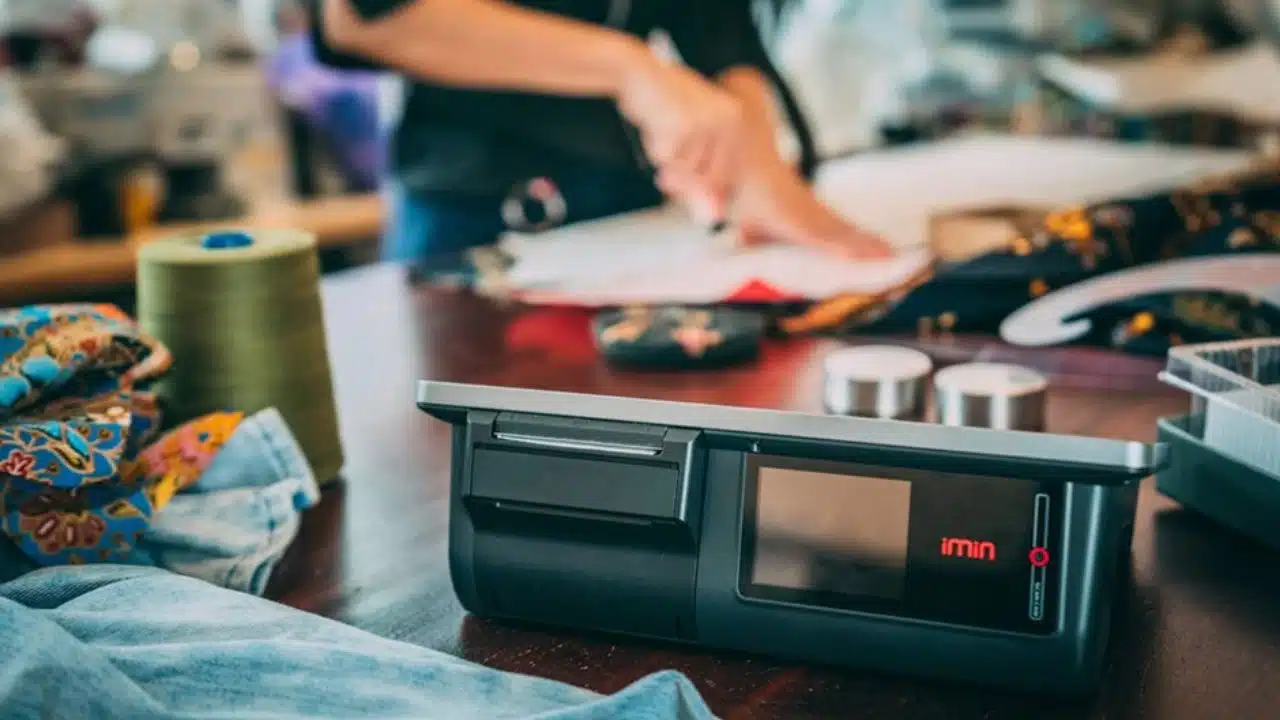
In recent years, the way we make payments has undergone a revolutionary transformation. With the rise of technology, traditional methods like cash and credit cards are being supplemented, and in some cases, replaced by more innovative solutions.
One such example is the point of sale solutions of Me Pos, which exemplifies the future of payment technologies. The rapid adoption of contactless, mobile, and biometric payments is not just a trend but a glimpse into a future where transactions are faster, more secure, and incredibly convenient.
Contactless Payments
Contactless payments gained popularity with the COVID-19 pandemic. They represent a fast and clean way of making a payment with no physical contact, hence minimizing the chances of the spread of germs and viruses. They rely on point-of-sale systems that have inbuilt near-field communication technology. Clients only need to tap their card or smartphone onto a point-of-sale terminal to complete any transaction. Key features of contactless:
- convenience — payments can be completed in seconds;
- security — advanced encryption technologies ensure transactions are safe;
- efficiency — reduces queues and waiting times at checkout points;
- hygiene — minimizes physical contact and the spread of germs;
- versatility — it can be utilized in making every type of transaction, from retail to public transport..
The adoption of contactless payments has been swift, driven by their numerous advantages. As more retailers and service providers integrate this technology, the trend towards a cashless society accelerates.
Mobile Payments
Mobile payments, facilitated by point of sale software, have revolutionized the payment landscape. With the omnipresence of smartphones, mobile wallets are now coined terms, be it Apple Pay, Google Wallet, or Samsung Pay. These mobile payment solutions leverage NFC and to kenization technologies to ensure secure and convenient transactions. Benefits of mobile payments:
- accessibility — enables users to pay anytime, anywhere;
- integration — combines payment with other features like loyalty programs and discounts;
- personalization — allows users to manage multiple cards and accounts from one device;
- innovation — supports in-app purchases and peer-to-peer payments;
- ecosystem — part of a broader digital ecosystem connecting users, merchants, and banks.
Mobile payments have not only made transactions more seamless but have also provided a platform for further innovations in the financial technology sector.
Biometric Payments
Biometric payments are perhaps the most futuristic and secure method of transaction. Biometric payment offers unrivaled convenience and security because it makes use of special biological characteristics: fingerprints, facial recognition, and even iris scans. Point of sale systems that incorporate biometric authentication are on the rise, offering an extra layer of protection against fraud. Advantages of biometric payments:
- security — nearly impossible to forge or duplicate biometric data;
- speed — rapid authentication speeds up the payment process;
- convenience — no need to remember PINs or passwords;
- uniqueness — each user’s biometric data is distinct and personalized;
- reliability — reduces the risk of identity theft and fraud.
Biometric payments are set to revolutionize the way we think about security and identity in financial transactions. As technology advances, these methods will likely become more prevalent and refined.
The Future is Here
The future of payments is undeniably here, driven by advancements in contactless, mobile, and biometric technologies. Such innovative solutions further improve the convenience and speed in transactions while improving the security measures a great deal, therefore being quite appealing to both the consumer and the business. With the world pushing hard ahead into digital transformation, the evolution of POS systems will play a huge role in shaping the future of commerce.
In conclusion, the ongoing development and adoption of these payment technologies promise a future where transactions are seamless, secure, and efficient. The integration of contactless, mobile, and biometric payments within modern point of sale systems is a testament to the ever-evolving landscape of financial technology. A new age is looming in front of the world of payments where innovation and convenience go hand in glove.






















