


The startup ecosystem is more competitive than ever, and managing finances efficiently is crucial for survival and growth. Entrepreneurs need solutions that streamline financial processes, optimize cash flow, and facilitate seamless transactions.
This is where fintech platforms tailored for startup growth come into play. These platforms offer cutting-edge tools for payment processing, banking, accounting, and global transactions, helping startups scale rapidly without financial bottlenecks.
In this guide, we will explore the top five fintech platforms tailored for startup growth, diving into their key features, benefits, and why they are must-haves for any budding enterprise. Additionally, we will provide real-world examples, insightful case studies, and updated trends to help startups make informed decisions.
Why Fintech Platforms Are Essential for Startup Success?
Fintech has revolutionized the financial industry by integrating technology-driven solutions that offer seamless banking, payment, and financial management tools. For startups, leveraging fintech solutions means:
- Faster and more secure transactions
- Lower operational costs
- Automated financial tracking and reporting
- Easier access to funding and credit facilities
- Greater flexibility in managing international transactions
Key Benefits of Using Fintech Solutions for Startups
- Efficiency & Automation – Automating financial processes reduces manual errors and saves time.
- Cost-Effectiveness – Most fintech platforms offer budget-friendly plans tailored for startups.
- Global Expansion – Multi-currency support and cross-border payment solutions help businesses scale internationally.
- Integration & Scalability – Fintech tools integrate seamlessly with other business software like CRMs and ERPs.
- Compliance & Security – Many fintech solutions adhere to regulatory requirements, ensuring safer financial transactions.
Key Features to Look for in a Fintech Platform
Choosing the right fintech platform tailored for startup growth requires evaluating key features that align with business needs. Here are essential features to consider:
Secure Payment Processing
A robust fintech platform should offer end-to-end encryption and fraud prevention to ensure transaction security. Platforms with AI-driven fraud detection can prevent chargebacks and unauthorized transactions.
Automated Financial Management
Look for solutions with AI-driven automation for invoicing, expense tracking, and tax preparation. Startups can save hours by using automated financial tools that categorize expenses and generate reports in real time.
Scalability and Integration
A startup-friendly fintech solution should easily integrate with accounting software, e-commerce platforms, and CRM tools. It should support multi-user access to streamline financial workflows among team members.
Cost-Effectiveness
Compare pricing plans to ensure affordability. Many fintech platforms offer free trials, startup-friendly rates, and pay-as-you-go pricing. Understanding hidden fees and transaction costs can help startups choose the most budget-friendly solution.
5 Fintech Platforms Tailored for Startup Growth
Before diving into the list, it’s essential to understand why selecting the right fintech platform is crucial for startup success. Fintech platforms tailored for startup growth not only enhance operational efficiency but also provide seamless integration with various business functions.
From payment processing to financial analytics, these solutions empower entrepreneurs to focus on scaling their ventures without financial management hassles.
1. Stripe – Seamless Payment Processing

Best For: Startups needing flexible online payment solutions.
Stripe is a leading fintech platform that enables businesses to accept payments online, process transactions securely, and scale globally. It offers a range of financial tools that help startups streamline their revenue collection and optimize cash flow management.
With its robust API and developer-friendly features, startups can customize their payment solutions to fit their unique business models, ensuring seamless integration with their existing systems. Additionally, Stripe’s advanced analytics and reporting capabilities provide valuable insights, helping startups make data-driven financial decisions.
Key Features:
- Global Payments: Accepts payments in over 135 currencies.
- Subscription Billing: Ideal for SaaS startups with recurring billing models.
- API Integration: Developers can customize payment flows with Stripe’s API.
- Fraud Protection: Advanced AI-driven security to detect and prevent fraud.
Pricing:
| Plan | Cost |
| Standard Processing | 2.9% + 30¢ per transaction |
| Custom Enterprise | Varies based on volume |
Case Study:
A tech startup used Stripe to automate payment processing, reducing checkout friction and increasing conversions by 30% within six months.
2. Brex – Smart Business Banking for Startups
Best For: Startups looking for corporate credit cards and expense management.
Brex provides corporate credit solutions tailored for startups, eliminating the need for personal guarantees while offering high credit limits and automated financial tracking. Startups can access flexible credit lines based on their revenue and spending patterns, making it easier to manage cash flow.
Additionally, Brex offers real-time expense tracking and seamless integrations with accounting tools, ensuring financial transparency. It’s perfect for businesses looking to manage expenses effectively, maximize rewards, and establish strong financial management from an early stage.
Key Features:
- No Personal Guarantee: Founders don’t need to provide personal collateral.
- High Credit Limits: Based on business cash flow, not personal credit.
- Automated Expense Tracking: AI-powered analytics.
- Startup Rewards: Cash back on SaaS, advertising, and travel.
Why Brex?
Brex is ideal for fast-growing startups that need flexible credit solutions and automated expense tracking.
3. Mercury – Digital Banking for Tech Startups
Best For: Venture-backed and bootstrapped startups seeking digital-first banking.
Mercury offers a modern banking solution designed specifically for startups, eliminating unnecessary banking fees while providing powerful integrations and FDIC-insured accounts. With an intuitive online interface, Mercury allows startups to manage their finances efficiently without the burden of hidden costs.
The platform offers seamless API integrations, enabling tech-focused startups to automate financial workflows and optimize cash flow management. Mercury’s investor-friendly features, such as venture debt and treasury management, make it an attractive option for growth-stage companies seeking flexible banking solutions.
Key Features:
- No Monthly Fees
- FDIC-Insured Accounts
- Seamless Integrations with accounting tools like QuickBooks
- Investor-Friendly Features (virtual cards, ACH transfers)
Case Study:
A fintech startup used Mercury to reduce banking fees by 20%, allowing them to reinvest savings into product development.
4. QuickBooks – Accounting and Expense Management
Best For: Startups needing an all-in-one financial management tool.
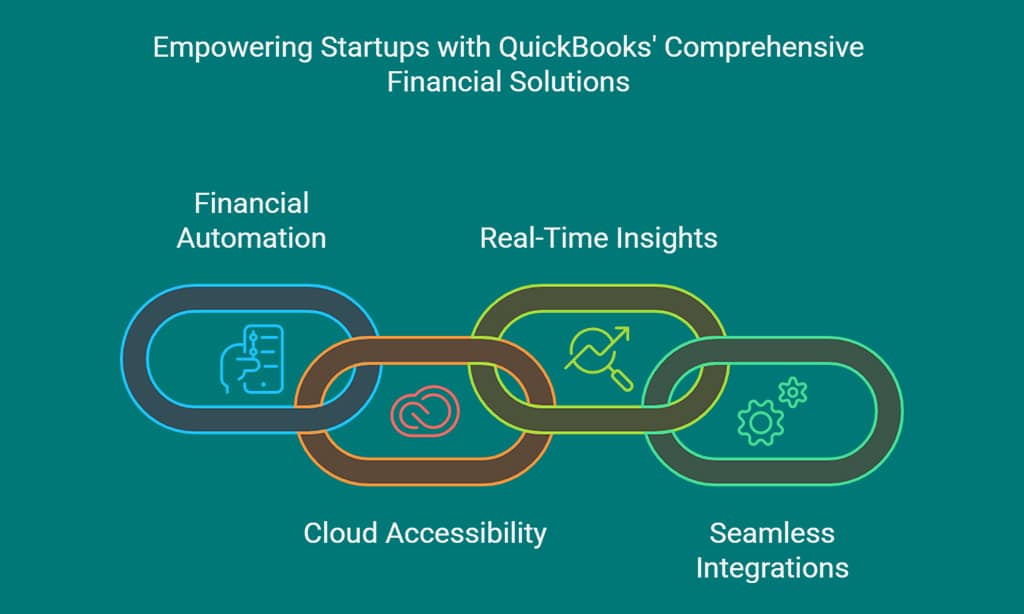
QuickBooks is an industry-leading accounting software that simplifies financial management for startups by automating invoicing, expense tracking, and tax preparation. It offers cloud-based accessibility, allowing entrepreneurs to manage their finances from anywhere.
Additionally, QuickBooks provides real-time financial insights through its intuitive dashboard, helping startups monitor cash flow, forecast revenue, and maintain compliance with tax regulations. With seamless integrations to various fintech platforms, QuickBooks ensures a smooth financial ecosystem for growing businesses.
Key Features:
- Automated Bookkeeping and tax calculations.
- Custom Invoices & Payments
- Integration with Fintech Tools like Stripe, PayPal, and Brex.
Why QuickBooks?
It’s a must-have for startups that need accounting automation and detailed financial tracking.
5. Payoneer – Global Payment Solutions
Best For: Startups dealing with international payments and freelancers.
Payoneer simplifies global payments for businesses that work with freelancers, international clients, or cross-border transactions. It provides multi-currency accounts, allowing startups to receive and send payments worldwide with minimal fees.
With Payoneer’s integration with major marketplaces like Amazon and Upwork, startups can seamlessly manage global payments without banking complications. Additionally, its prepaid Mastercard feature enables businesses to withdraw funds conveniently from ATMs worldwide, enhancing financial flexibility.
Key Features:
- Multi-Currency Accounts
- Low Transaction Fees
- Cross-Border Payments to over 200 countries.
- Seamless Marketplace Integration with platforms like Amazon, Fiverr, and Upwork.
- Prepaid Mastercard for easy access to funds.
Pricing Overview:
| Feature | Fee |
| Receiving Payments | Free (from Payoneer users) |
| Bank Transfer to Local Account | Varies by country |
| Currency Conversion | 0.5% above market rate |
| ATM Withdrawal | $3.00 per transaction |
Case Study:
A global e-commerce startup used Payoneer to manage cross-border payments, reducing transaction fees by 40% and streamlining financial operations across multiple markets.
Takeaways
Choosing the right fintech platform tailored for startup growth can determine a business’s financial efficiency and scalability. Stripe, Brex, Mercury, QuickBooks, and Payoneer each offer unique solutions for startups at different growth stages. By leveraging the right fintech tools, startups can streamline operations, optimize cash flow, and scale efficiently.
Start exploring these fintech solutions today and give your startup the financial foundation it needs for success!





















