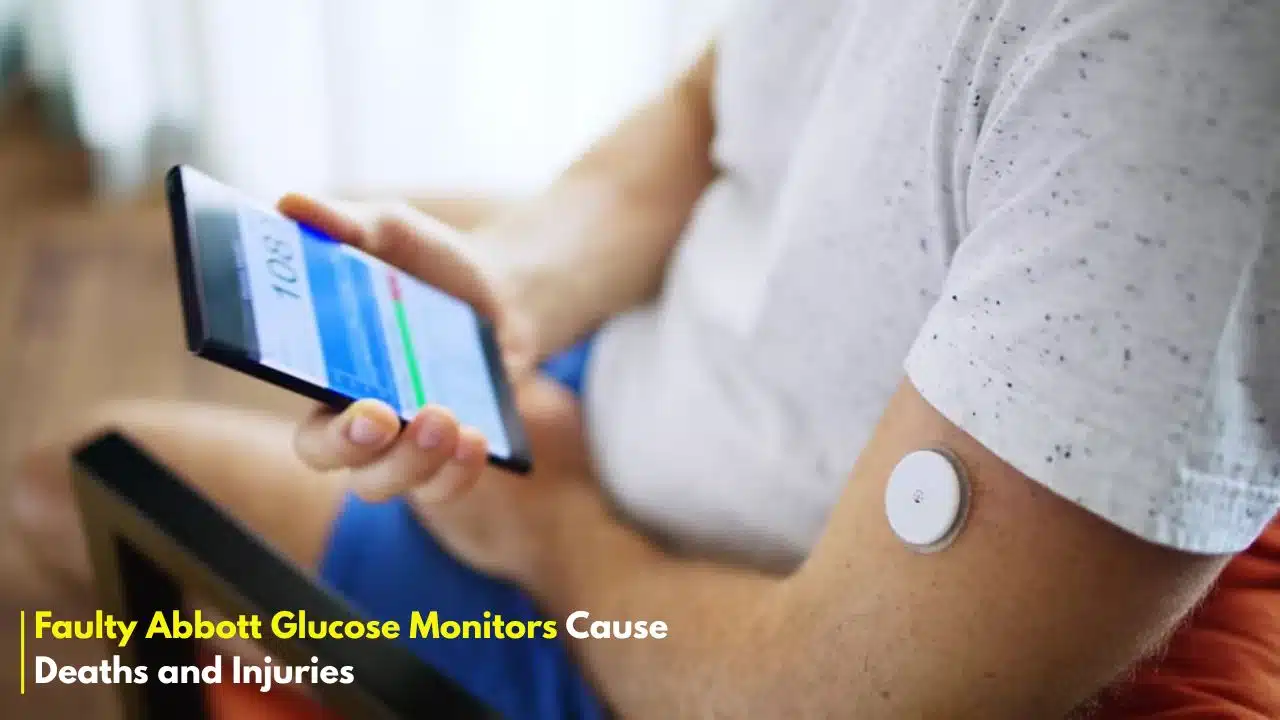
Faulty glucose monitors from Abbott Diabetes Care have been linked to seven deaths and hundreds of injuries worldwide, prompting urgent recalls and safety alerts from health authorities across multiple countries. The issue centers on specific batches of FreeStyle Libre 3 and FreeStyle Libre 3 Plus sensors, which have been found to deliver inaccurate low glucose readings. These errors have led to potentially life-threatening treatment decisions by people managing diabetes, including excessive carbohydrate intake or the omission or delay of insulin doses. Regulatory agencies such as the U.S. Food and Drug Administration (FDA), Health Canada, and Medsafe in New Zealand have issued warnings, urging users to stop using the affected sensors immediately and seek replacements.
What Went Wrong with Abbott’s Glucose Monitors
The core problem lies in the malfunctioning of certain FreeStyle Libre 3 and Libre 3 Plus sensors, which are designed to continuously monitor glucose levels in the interstitial fluid beneath the skin and transmit readings wirelessly to a device or smartphone. In some cases, these sensors have provided readings that are significantly lower than actual glucose levels. If undetected, such errors can lead individuals with diabetes to make dangerous treatment decisions, such as consuming excessive carbohydrates or skipping insulin doses, which can result in severe hypoglycemia or hyperglycemia, both of which carry serious health risks.
Abbott Diabetes Care, a subsidiary of Abbott Laboratories, confirmed that approximately three million sensors from a single production batch are affected. About half of these devices have already been used or have passed their expiration dates, but users are strongly advised to check their sensor’s serial number on the company’s dedicated website, FreeStyleCheck.com, to verify if their device is among those impacted. If a sensor is found to be faulty, Abbott is offering free replacements.
The Human Impact: Deaths and Injuries
As of November 14, 2025, Abbott reported seven deaths and 736 serious injuries globally linked to the faulty sensors. All fatalities occurred outside the United States, while 57 injuries were documented within the U.S. These numbers represent “serious adverse events,” including hospitalizations, severe hypoglycemic episodes, and other complications directly tied to the incorrect readings. The FDA has classified the issue as “potentially high-risk,” emphasizing the urgency of the recall and the need for immediate action from both users and healthcare providers.
Health authorities stress that the risk is particularly acute for individuals who rely heavily on continuous glucose monitoring (CGM) systems to manage their diabetes. Erroneous readings can disrupt daily routines, lead to poor glycemic control, and in extreme cases, result in coma or death. The global nature of the recall underscores the widespread use of these devices and the potential for harm across different healthcare systems and regions.
Regulatory Response and Recall Details
The FDA, Health Canada, Medsafe, and other regulatory bodies have issued early alerts and recall notices, urging users to discontinue use of the affected sensors and dispose of them properly. The recall specifically targets FreeStyle Libre 3 sensors (model numbers 7208001, device identifiers 00357518005 and 00357599819002) and FreeStyle Libre 3 Plus sensors (model numbers 7876801 and 7876901, unique device identifiers 003998440 and 00357599843014).
Abbott has stated that the problem in the affected production lot has been identified and addressed, and that it does not anticipate major supply interruptions due to the situation. The company has reached out to all customers who may be affected and is providing free replacements for faulty sensors. Regulatory agencies continue to collect information and monitor the situation for any further developments.
What Users Should Do
Anyone using a FreeStyle Libre 3 or Libre 3 Plus sensor is advised to check the serial number of their device on FreeStyleCheck.com or contact Abbott customer service at 1-833-815-4273 to verify if their sensor is impacted. If the device is found to be faulty, users should stop using it immediately, dispose of it according to local regulations, and request a replacement. Healthcare providers are also encouraged to inform their patients about the recall and assist them in transitioning to alternative monitoring methods if necessary.
The Broader Context: Diabetes Management and Technology
Diabetes affects hundreds of millions of people worldwide, and continuous glucose monitoring has become a cornerstone of modern diabetes management. Devices like the FreeStyle Libre offer real-time insights into glucose levels, enabling more precise treatment decisions and improving quality of life for many patients. However, this incident highlights the critical importance of device accuracy and reliability in the context of chronic disease management. Even minor errors can have outsized consequences for individuals with diabetes, whose health depends on the precise regulation of blood sugar levels.
Lessons for the Medical Device Industry
The Abbott recall serves as a stark reminder of the challenges inherent in medical device innovation. While technological advances have revolutionized diabetes care, they also introduce new risks and responsibilities. Manufacturers must prioritize rigorous quality control, transparent communication, and rapid response to emerging safety concerns. Regulatory agencies play a crucial role in overseeing these processes and ensuring that patients are protected from preventable harm.
What’s Next?
Abbott has stated that it is working closely with regulatory authorities to address the issue and prevent similar incidents in the future. The company has emphasized its commitment to patient safety and quality assurance. Ongoing monitoring and reporting will be essential to ensure that all affected devices are accounted for and that the risks associated with the faulty sensors are fully mitigated.
Key Takeaways
-
Faulty Abbott FreeStyle Libre 3 and Libre 3 Plus sensors have been linked to seven deaths and over 700 injuries globally.
-
The issue involves incorrect low glucose readings, which can lead to dangerous treatment decisions.
-
Regulatory agencies have issued urgent recalls and safety alerts, urging users to check their devices and seek replacements.
-
Abbott is offering free replacements for affected sensors and has addressed the production issue.
-
This incident underscores the importance of device accuracy in diabetes management and the need for robust quality control in medical technology.
This situation is a sobering reminder of the vital role that accurate medical devices play in patient care and the responsibility that manufacturers and regulators share in ensuring their safety and reliability.