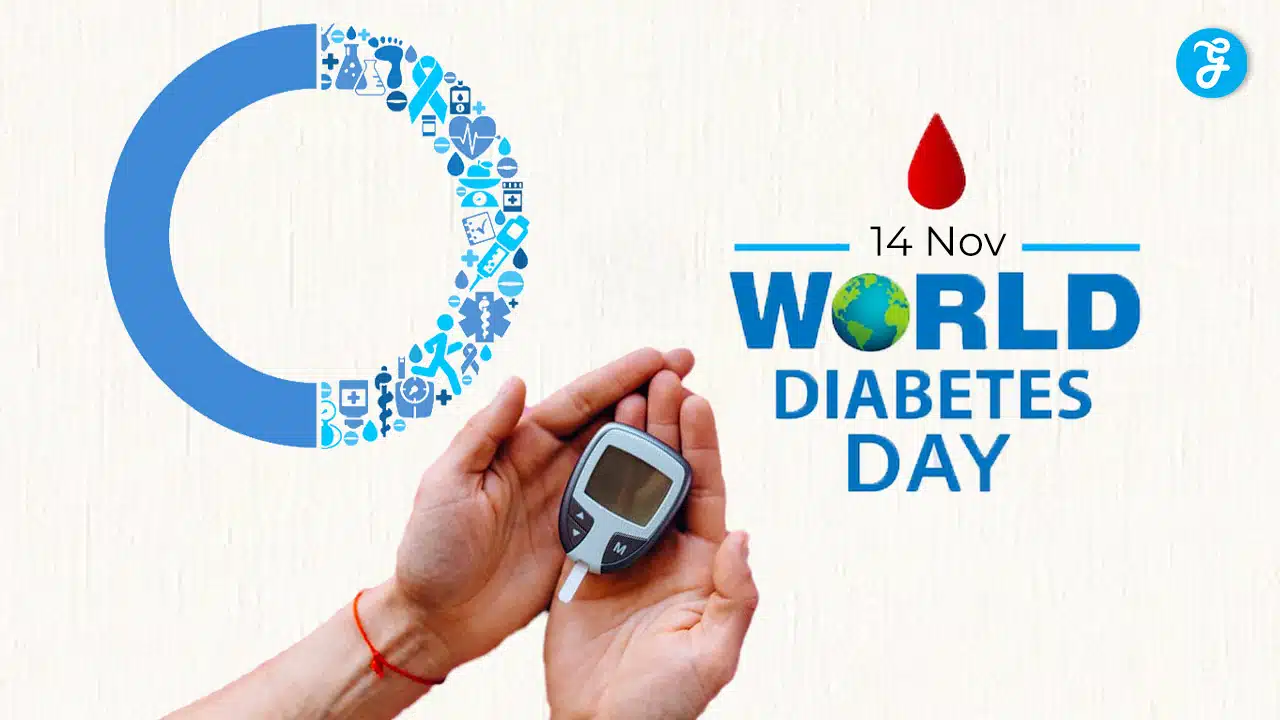
Every November 14, World Diabetes Day (WDD) brings together millions worldwide to raise awareness about diabetes—a chronic condition affecting an estimated 537 million people globally. Celebrated in honor of Sir Frederick Banting, the co-discoverer of insulin, WDD is a time to reflect on the journey of diabetes care and highlight the urgent need for increased awareness and prevention.
This year, the theme is “Breaking Barriers, Bridging Gaps,” emphasizing the critical importance of accessible, equitable healthcare for all individuals living with diabetes.
In this article, we’ll explore the significance of World Diabetes Day 2024, provide insights into diabetes prevention and management, and show how everyone can get involved to make a difference.
History and Significance of World Diabetes Day
Established in 1991 by the International Diabetes Federation (IDF) and the World Health Organization (WHO), World Diabetes Day began as a response to the growing global diabetes epidemic. This date—November 14—honors the birthday of Sir Frederick Banting, whose work led to the discovery of insulin in 1921, revolutionizing diabetes treatment.
Over the years, WDD has become a powerful movement, drawing attention to the challenges faced by those living with diabetes and highlighting advancements in treatment and prevention. The day is now recognized worldwide, with countries across the globe hosting awareness campaigns, community events, and educational workshops aimed at combating diabetes.
World Diabetes Day 2024 Theme: “Breaking Barriers, Bridging Gaps”
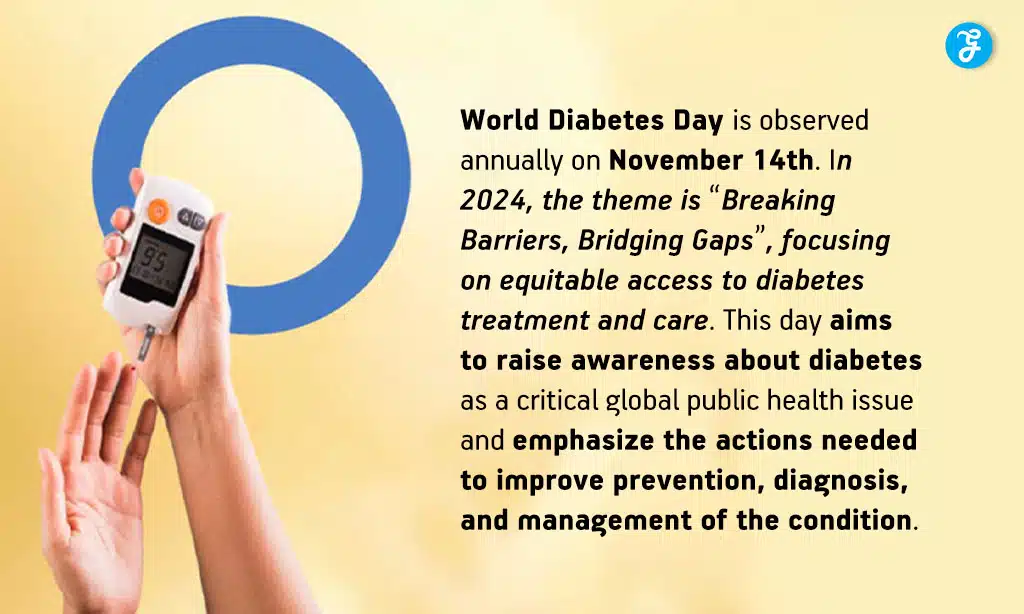
The theme for 2024, “Breaking Barriers, Bridging Gaps,” is a call to action to address the inequalities faced by millions with diabetes. In many parts of the world, people struggle to access necessary healthcare, medications, and information to manage their condition effectively. This theme brings a spotlight to the work needed to make diabetes care affordable, accessible, and equitable.
By bridging gaps in healthcare and breaking down systemic barriers, we can ensure that people living with diabetes receive the support and treatment they need. This theme resonates strongly in today’s world, as healthcare systems face unprecedented challenges. It reminds us of the urgency to work collectively to promote policies and practices that enhance diabetes care for all.
Understanding Diabetes: Key Facts and Figures
Diabetes is a chronic disease characterized by high blood glucose levels, which can lead to severe health complications if not managed properly. There are three main types:
- Type 1 Diabetes: An autoimmune condition where the body’s immune system attacks insulin-producing cells in the pancreas, usually diagnosed in children and young adults.
- Type 2 Diabetes: Often linked to lifestyle factors, this type occurs when the body becomes resistant to insulin or doesn’t produce enough insulin.
- Gestational Diabetes: Occurs in pregnant women who did not have diabetes before pregnancy but develop high blood sugar levels during it.
Statistics reveal the scale of the diabetes epidemic. According to the IDF, about 10% of adults worldwide live with diabetes, with Type 2 diabetes making up over 90% of cases. The condition not only impacts individual health but also imposes a massive financial strain on healthcare systems globally.
Goals and Objectives of World Diabetes Day 2024
WHO’s ambitious targets for diabetes care by 2030 aim to improve the diagnosis, treatment, and management of diabetes worldwide. These objectives include:
- Diagnosis: Ensuring 80% of people with diabetes are diagnosed early.
- Glycemic Control: Supporting 80% of diagnosed individuals in maintaining proper blood glucose levels.
- Blood Pressure Control: Helping 80% of individuals with diabetes to manage blood pressure.
- Statin Therapy: Providing statins to 60% of those with diabetes aged 40+ to prevent cardiovascular issues.
- Insulin Access: Making insulin and blood glucose monitoring tools available to 100% of individuals with Type 1 diabetes.
Through these goals, WDD aims to reduce the global burden of diabetes, empowering people to manage their health effectively and advocating for policies that prioritize diabetes care.
Diabetes Prevention: Tips and Strategies
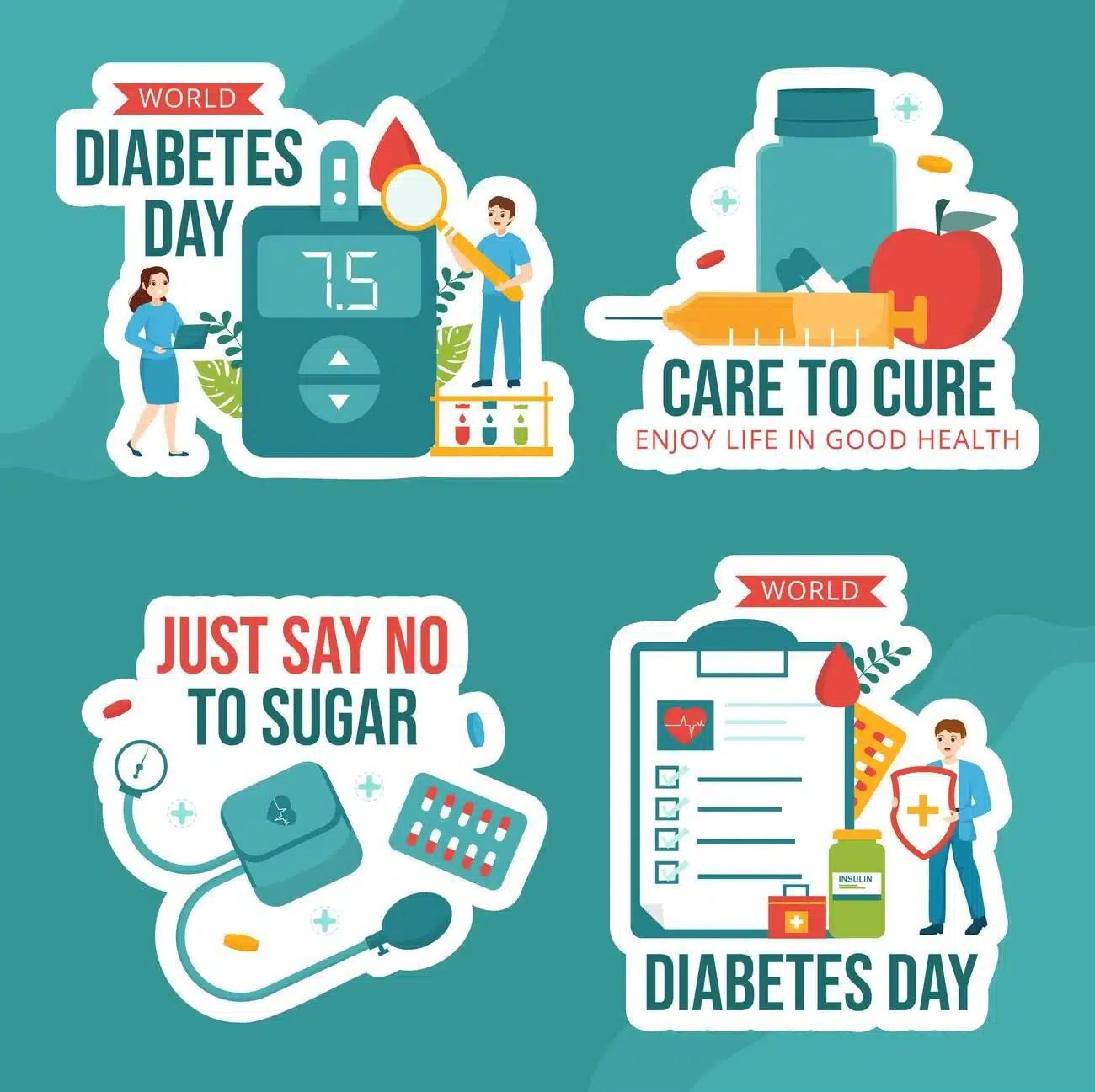
While not all types of diabetes can be prevented, type 2 diabetes can often be managed or even prevented through lifestyle choices. Here are some key strategies:
- Healthy Diet: A balanced diet rich in whole foods, such as vegetables, fruits, lean proteins, and whole grains, can help maintain stable blood sugar levels. Limiting processed sugars and refined carbohydrates is essential.
- Regular Exercise: Staying active helps regulate blood glucose levels and improves insulin sensitivity. Aim for at least 30 minutes of moderate exercise daily, whether it’s walking, cycling, or strength training.
- Routine Check-ups: Regular screenings can catch diabetes early, even before symptoms appear. Routine blood tests help you stay on top of your glucose levels and make lifestyle changes as needed.
- Weight Management: Maintaining a healthy weight can significantly reduce the risk of Type 2 diabetes. Healthy eating, combined with regular exercise, can support weight loss or help maintain your current weight.
- Avoiding Tobacco and Limiting Alcohol: Smoking and heavy drinking increase the risk of diabetes and can complicate its management.
Promoting Access to Quality Diabetes Care and Support
Despite advancements in diabetes care, many face barriers to accessing quality healthcare. In low-resource areas, individuals may lack access to essential medications like insulin, blood sugar testing supplies, and professional healthcare guidance.
Equitable healthcare access is crucial to managing diabetes effectively. For millions of people, this means affordable access to medication, educational resources, and regular screenings. Bridging these gaps requires collective efforts from governments, organizations, and communities to create a healthcare system that is inclusive and supportive of those with diabetes.
Educational Resources and Tools for Raising Awareness
Educational resources play a key role in spreading awareness. Organizations like the IDF and WHO provide tools to inform people about diabetes prevention, care, and support. Some useful ways to spread awareness include:
- Online Resources: The IDF and WHO websites offer free guides, toolkits, and updates on the latest in diabetes care and research.
- Social Media Campaigns: Sharing facts, personal stories, and tips on social media platforms helps reach wider audiences. Popular hashtags for WDD, such as #WorldDiabetesDay and #DiabetesAwareness, can amplify your message.
- Community Events and Screenings: Joining local events like free screening clinics, educational workshops, or charity runs raises awareness and helps the community understand the importance of diabetes prevention and care.
How You Can Support World Diabetes Day
There are many ways individuals and communities can support WDD and advocate for improved diabetes care:
- Spread Awareness: Use your social media platforms to share diabetes facts, inspirational stories, or tips for prevention and management.
- Get Involved Locally: Attend or volunteer at local WDD events, such as health screenings, community walks, or seminars.
- Encourage Donations: Support diabetes research and patient assistance programs by donating to reputable organizations like the IDF or WHO.
- Advocate for Better Health Policies: Encourage local and national leaders to implement policies that make healthcare accessible, affordable, and equitable for those with diabetes.
Takeaways
World Diabetes Day 2024 reminds us of the collective responsibility to raise awareness and make diabetes care accessible for all. This year’s theme, “Breaking Barriers, Bridging Gaps,” highlights the need for global action to bridge healthcare inequalities, ensuring that everyone has access to quality diabetes care.
Let’s come together this World Diabetes Day to spread awareness, advocate for better healthcare policies, and take steps toward a healthier future for everyone. Remember, your efforts can make a difference—whether it’s through a social media post, joining a community event, or simply learning more about diabetes prevention and care.