

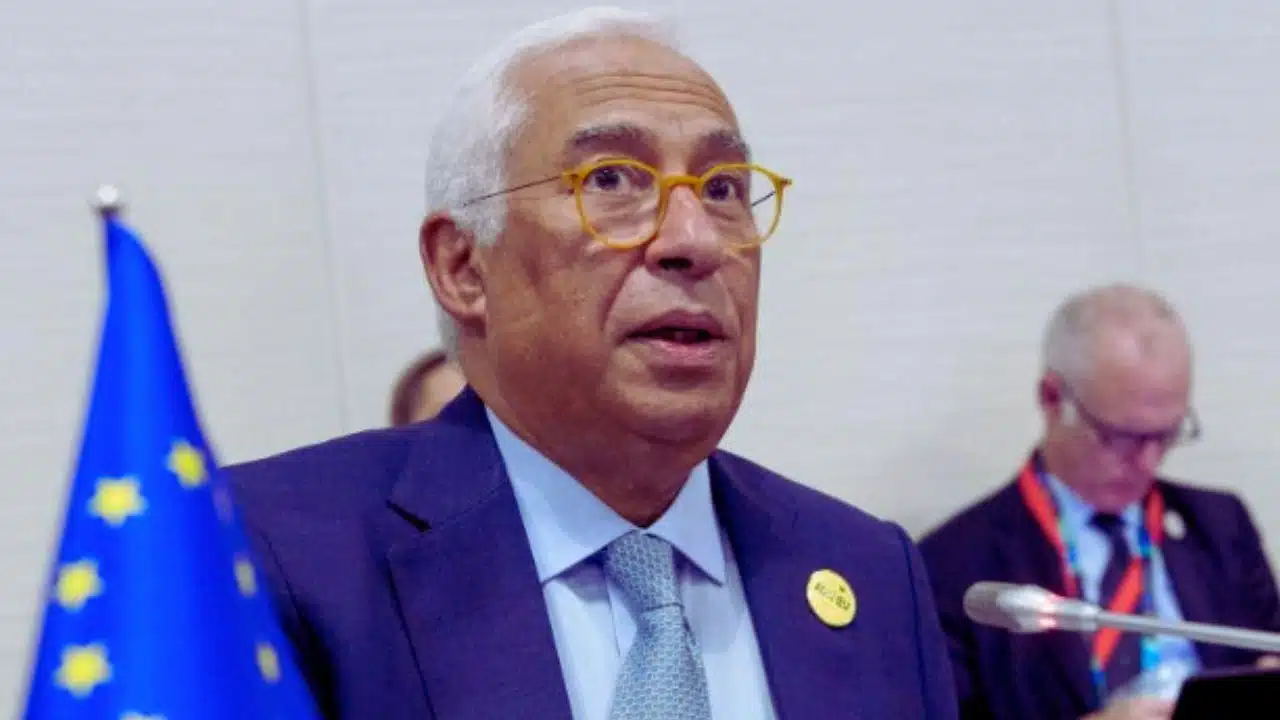
An EU leader has publicly rebuked the Trump administration’s new US National Security Strategy, which warns that Europe risks civilizational erasure, arguing that the document misrepresents the European Union and endangers transatlantic unity.
The strategy’s rhetoric on migration, democracy and NATO has triggered sharp pushback from Brussels, Berlin and other European capitals, which say the language echoes far‑right and Kremlin talking points.
What the US strategy says
The new US National Security Strategy, released on 5 December 2025, portrays Europe as facing the risk of civilizational erasure, warning that some NATO states could become mostly non‑European within decades and might no longer see their alliance with Washington the same way. The document criticizes the EU as overregulated and anti‑democratic, accusing European governments of stifling free speech and political dissent, especially on migration and demands to end the war in Ukraine. It calls for Europe to take far greater responsibility for its own defense, questions NATO’s unrealistic goals in Ukraine, and urges a rapid settlement with Russia in the name of restoring strategic stability.
Key policy lines in the strategy include:
- Prioritizing the Western Hemisphere and the Indo‑Pacific in US strategy while pressing Europeans to shoulder more of NATO’s conventional defense burden.
- Depicting current EU migration policies as transforming the continent and eroding traditional national identities.
- Signaling openness to patriotic or nationalist parties in Europe, which the document portrays as a positive corrective to the EU’s current direction.
How EU leaders responded
European Council President António Costa and other senior EU figures have condemned both the tone and substance of the US strategy, arguing that allies should not try to reshape European politics from Washington or question the democratic legitimacy of EU governments. EU foreign policy chief Kaja Kallas publicly reaffirmed that the United States remains the EU’s biggest ally, but warned that language suggesting Europe faces erasure undermines shared values and risks emboldening adversaries like Russia. In Berlin, the German government rejected what it called outside advice on democracy and free expression, dismissing assertions that the EU censors speech or is drifting away from core freedoms.
Main political reactions at a glance
| Figure / Actor | Position | Core message |
| António Costa | President of the European Council | Rejects portrayal of Europe as on a path to erasure and warns the US not to interfere in EU political life or back forces that seek to weaken the Union. |
| Kaja Kallas | EU foreign policy chief | Stresses that Washington remains Europe’s key ally but says the strategy’s rhetoric on civilizational erasure damages trust and plays into Moscow’s hands. |
| German government | Foreign ministry & Berlin officials | Dismisses claims that Brussels undermines democracy or free speech and says Germany does not need US lectures on how to protect fundamental rights. |
| European diplomats & analysts | Various EU countries and think tanks | Argue the US paper echoes far‑right and Kremlin narratives, risks splitting NATO opinion on Ukraine, and could empower nationalist parties inside the EU. |
Stakes and what comes next
Behind the war of words is a strategic clash over who sets the terms of the post‑Ukraine European security order and how much the US will invest in Europe compared with Asia and the Americas. European governments remain heavily dependent on US military power, even as they accelerate defense spending, and fear that questioning Europe’s reliability as an ally could encourage Russia to test NATO’s cohesion. At the same time, the strategy’s apparent openness to nationalist forces within EU states alarms many in Brussels, who see it as Washington importing domestic culture‑war politics into transatlantic relations.
Key timeline of events
| Date | Event |
| 5 Dec 2025 | White House releases the new US National Security Strategy, warning that Europe risks civilizational erasure and could become a less reliable ally. |
| 6 Dec 2025 | Initial reactions across Europe emerge, with Kaja Kallas and other officials defending EU democracy while insisting the US is still a vital partner. |
| 7 Dec 2025 | Media and analysts highlight the document’s resemblance to far‑right narratives and warn of possible strain on NATO unity and Ukraine policy. |
| 8 Dec 2025 | European Council President António Costa delivers a sharper public rebuke, cautioning that allies should not try to reshape European politics from outside. |
In the coming weeks, the debate is likely to shift to formal diplomatic channels, including NATO and EU‑US meetings where European governments will seek reassurances that the strategy does not signal a fundamental downgrading of Europe in US foreign policy. How Washington and Brussels manage this clash over language and priorities will shape decisions on Ukraine, defense spending, and transatlantic political alignment heading into major elections on both sides of the Atlantic.
























