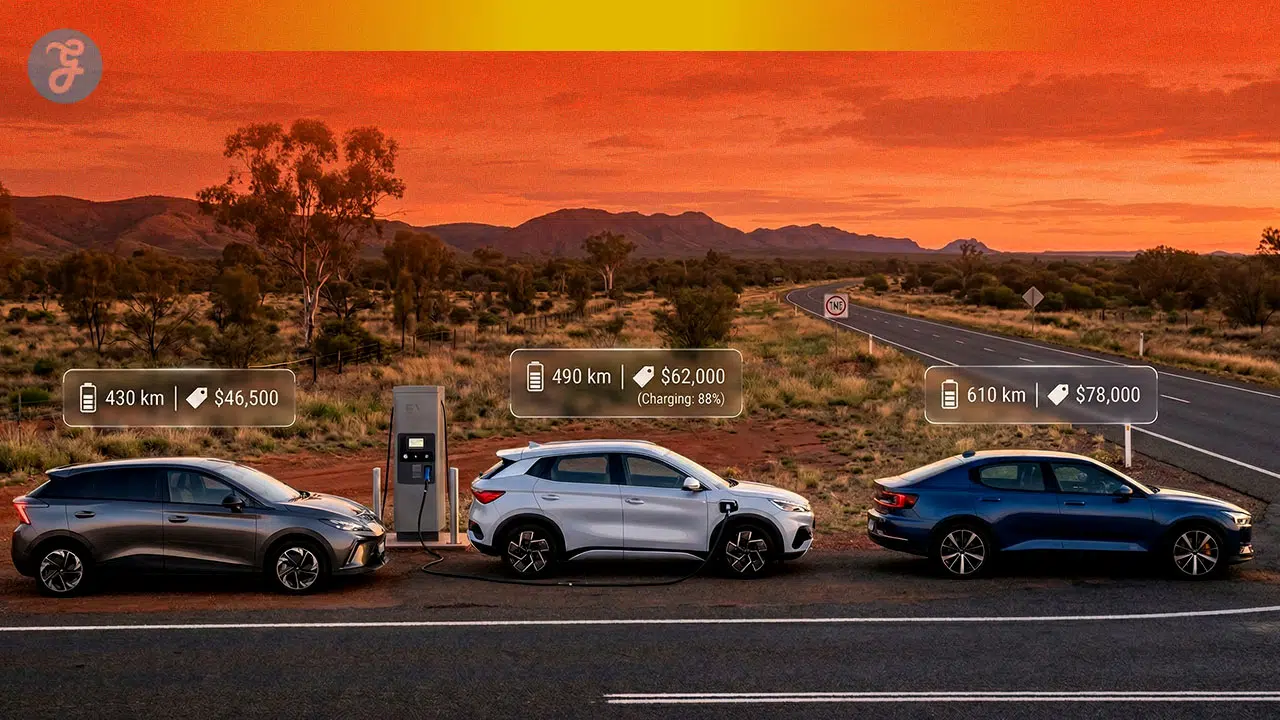
The Australian automotive market has undergone a significant transformation leading into 2025. With a surge in new manufacturers and the continued success of the Federal Government’s fringe benefits tax exemptions for novated leases, the accessibility of battery electric vehicles has reached an all-time high. Buyers now prioritize real-world efficiency and total cost of ownership over simple novelty as charging networks expand across the East Coast and beyond.
How We Selected Our 9 Best Electric Cars in Australia
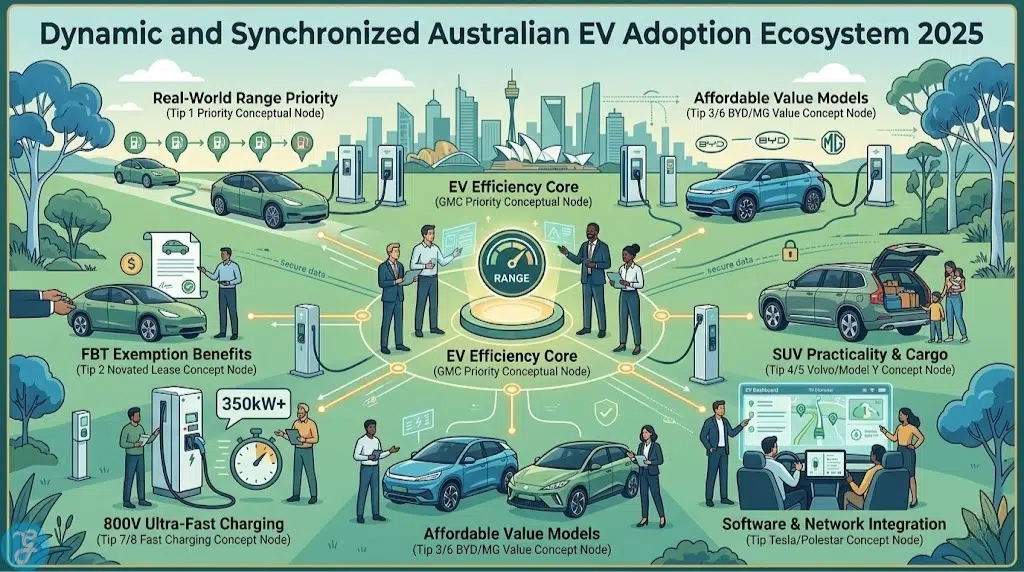
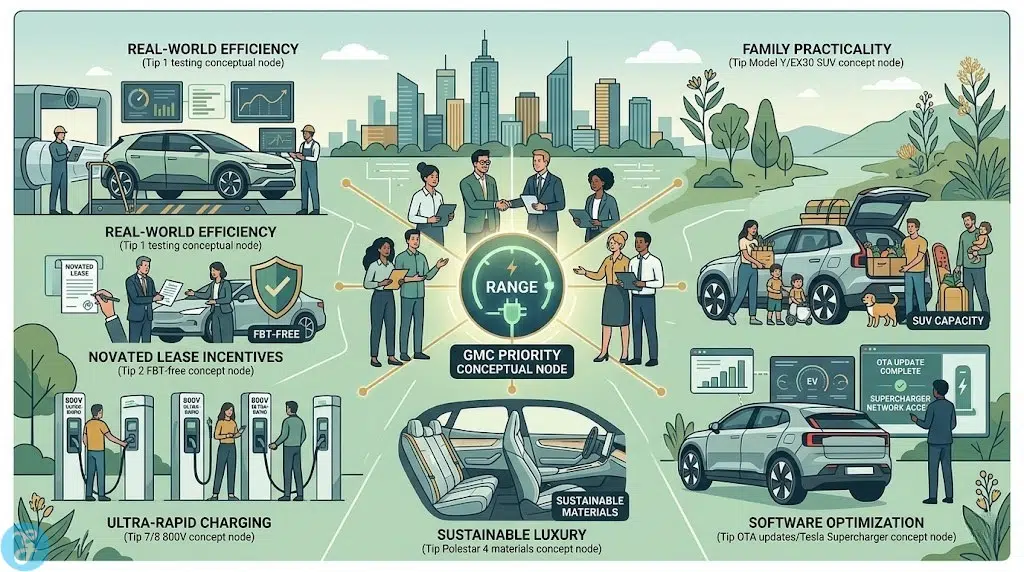
To determine the most effective options for the current Australian landscape, we analyzed several critical performance metrics. We prioritized real-world range data over often optimistic laboratory estimates to provide a clearer picture for long-distance regional driving. Our selection process filtered through every major model currently available for delivery in Australia.
The following criteria were used to evaluate each vehicle:
-
Real-World Range Efficiency: We compared manufacturer WLTP claims against actual highway speed testing results.
-
Price-to-Feature Ratio: We looked for models that offer premium safety and technology at a competitive entry point.
-
Charging Compatibility: We prioritized vehicles with fast DC charging capabilities suitable for the growing Australian public network.
-
Ownership Costs: We factored in local service intervals and the availability of national dealer support.
The Top 9 Electric Cars in Australia for 2025
The following list represents the most compelling choices for various lifestyles and budgets. These vehicles have been selected because they balance range and price while meeting strict Australian Design Rules for safety and performance.
1. BYD Seal
The BYD Seal has quickly become one of the most popular sedans in the country due to its high-density blade battery technology. It offers a sleek aerodynamic profile that rivals premium European marques at a significantly lower price point. The interior features a rotating infotainment screen and high-quality finishes that challenge the traditional luxury status quo.
Best Feature/For:
-
Drivers who want maximum range and performance in a sporty sedan format.
Why We Chose It:
-
It offers an exceptional real-world range of over 500 kilometers in the Premium variant.
-
The Cell-to-Body technology provides a very high level of structural safety and handling.
-
BYD provides a comprehensive local service network through major automotive groups.
Things to consider:
-
The low ground clearance can be a challenge for some driveways or regional roads.
2. Tesla Model 3
The updated Model 3 remains the benchmark for software integration and charging ease in Australia. With its recent suspension and cabin refinements, it has addressed previous criticisms regarding ride quality and noise levels. Access to the proprietary Supercharger network continues to be a primary selling point for those who travel frequently between states.
Best Feature/For:
-
Tech-focused buyers who value a seamless charging experience and regular over-the-air updates.
Why We Chose It:
-
It is currently one of the most efficient vehicles on the market in terms of energy consumption.
-
The minimalist interior and superior route planning software simplify long-distance travel.
-
Resale values for the Model 3 remain among the strongest in the electric segment.
Things to consider:
-
The lack of a physical driver instrument cluster or stalks for indicators requires a learning curve.
3. MG4 Electric
The MG4 has democratized electric performance by offering a dedicated rear-wheel-drive platform at a price that competes with internal combustion hatchbacks. It is praised for its agile handling and sharp styling, making it a favorite for urban dwellers. The variety of battery sizes allows buyers to choose a model that specifically fits their daily commuting needs.
Best Feature/For:
-
Budget-conscious shoppers who do not want to sacrifice driving dynamics or safety.
Why We Chose It:
-
It provides one of the lowest entry prices for a ground-up electric platform.
-
The car has achieved a five-star ANCAP safety rating across the entire range.
-
Compact dimensions make it perfect for navigating tight city streets and parking.
Things to consider:
-
The infotainment system can feel a bit slower compared to the high-speed processors found in rivals.
4. Volvo EX30
The Volvo EX30 is a compact SUV that brings Scandinavian luxury and sustainability to a smaller footprint. It uses a high percentage of recycled materials and features a unique soundbar audio system to maximize cabin space. Despite its size, the EX30 offers surprisingly rapid acceleration and a premium feel that aligns with Volvo’s heritage.
Best Feature/For:
-
Small families or professionals who want a premium brand and high safety standards in a compact size.
Why We Chose It:
-
It is the fastest-accelerating Volvo ever made in the Twin Motor Performance trim.
-
The interior design is both minimalist and highly functional with clever storage solutions.
-
Volvo’s reputation for safety remains a key draw for many Australian buyers.
Things to consider:
-
The rear seat space is tighter than many of its larger SUV competitors.
5. Tesla Model Y
As the best-selling SUV in the country, the Model Y offers unparalleled cargo space and practicality for families. Its upright seating position provides excellent visibility, and the flat floor ensures all passengers have ample legroom. It shares the same robust charging infrastructure and software advantages as its sedan sibling.
Best Feature/For:
-
Families who need significant storage and the convenience of a vast charging network.
Why We Chose It:
-
The massive storage capacity includes both a deep boot and a front trunk.
-
It offers a very high seating position which is preferred by many Australian SUV buyers.
-
The integration with the Tesla app provides industry-leading remote control features.
Things to consider:
-
The ride quality can be firm on rougher suburban roads despite recent updates.
6. BYD Dolphin
The BYD Dolphin is currently one of the most affordable ways to enter the electric market without compromising on essential features. It comes standard with a wide array of safety tech and a comfortable interior that belies its entry-level pricing. It is an ideal second car for families or a primary vehicle for those with a predictable daily commute.
Best Feature/For:
-
Commuters looking for the lowest possible running costs and a high level of standard equipment.
Why We Chose It:
-
It is currently one of the cheapest new electric cars available in Australia.
-
The long-life LFP battery chemistry allows for regular charging to 100 percent.
-
Standard features like a 360-degree camera are often optional on more expensive cars.
Things to consider:
-
The styling is quite unique and may not appeal to those who prefer a more traditional look.
7. Kia EV6
The Kia EV6 stands out with its 800-volt charging architecture, which allows it to charge much faster than most other vehicles at ultra-rapid stations. Its futuristic design and spacious cabin make it a strong contender in the crossover segment. Kia also offers a locally tuned suspension, which means it handles Australian road conditions better than many global models.
Best Feature/For:
-
Long-distance travelers who want to minimize time spent at public charging stations.
Why We Chose It:
-
The 800-volt system can add 100 kilometers of range in less than five minutes at the right charger.
-
Kia’s seven-year warranty provides significant peace of mind for new EV owners.
-
The Vehicle-to-Load (V2L) feature allows you to power external appliances from the car.
Things to consider:
-
The larger footprint can make it feel bulky in narrow city lanes.
8. Hyundai Ioniq 6
The Hyundai Ioniq 6 uses an ultra-streamlined “Electrified Streamliner” design to achieve incredible efficiency. This focus on aerodynamics makes it one of the longest-range vehicles currently available for the price. It shares the fast-charging 800-volt platform with Kia, ensuring that it is as practical as it is striking.
Best Feature/For:
-
Efficiency enthusiasts who want the maximum possible range from every kilowatt-hour.
Why We Chose It:
-
Its drag coefficient is among the lowest in the world, directly benefiting highway range.
-
The interior features a lounge-like atmosphere with customizable ambient lighting.
-
Fast charging capabilities make it a top choice for interstate road trips.
Things to consider:
-
The sloping roofline at the rear can limit headroom for taller adult passengers.
9. Polestar 4
The Polestar 4 is a luxury performance SUV that removes the rear window in favor of a high-definition digital mirror to create a unique cocoon-like rear cabin. It sits between the Polestar 2 and 3 in terms of size and offers a very high level of performance and sustainable luxury. The use of the Google built-in system ensures that navigation and media are always up to date.
Best Feature/For:
-
Design-led buyers who want a high-performance vehicle with a distinct aesthetic.
Why We Chose It:
-
The digital rearview mirror provides a wider field of view than a traditional window.
-
It offers a very high level of interior finish using sustainable materials like recycled PET.
-
Standard performance figures are impressive, offering a true luxury driving experience.
Things to consider:
-
The lack of a rear window is a bold design choice that might not suit every driver.
An Overview Of Electric Cars in Australia
The current market offers a clear divide between value-driven city cars and high-performance long-range cruisers. Understanding how these vehicles compare in terms of their primary metrics is essential for making an informed purchase.
The following data provides a snapshot of how the top contenders stack up regarding their entry price and real-world utility.
Our Top 3 Picks and Why?
While all nine vehicles are excellent choices, these three represent the best of their respective categories for Australian conditions.
-
Tesla Model 3: It remains the best all-rounder due to its unmatched efficiency and the reliability of the Supercharger network.
-
BYD Seal: This is the current value king for those who want a premium feel and significant range without the luxury price tag.
-
MG4 Electric: It is the best choice for anyone looking to transition to electric driving with a limited budget while still getting a fun car.
How to Choose the Right Electric Cars in Australia by Yourself?
Selecting the right vehicle requires a deep look at your specific driving habits and home charging capabilities. Since most charging happens overnight, your home setup is often more important than the public network.
The Selection Framework
-
Daily Commute vs. Road Trips: Determine if you need a large battery for long distances or if a smaller, cheaper battery is sufficient for your daily city driving.
-
Charging at Home: Check if you have access to a power point or if you need to install a dedicated wallbox to get faster speeds.
-
Towing Requirements: Very few smaller electric cars can tow heavy loads, so check the braked towing capacity if you have a boat or caravan.
-
Incentive Eligibility: Research the specific state-based incentives or federal tax breaks available for your specific purchase method.
Decision Matrix
The Final Checklist
-
Confirm your home charging installation costs and requirements.
-
Verify the current Fringe Benefits Tax (FBT) status if using a novated lease.
-
Test drive the infotainment system to ensure it is intuitive for your daily use.
-
Check the local service intervals and the nearest authorized repair center.
-
Calculate your projected weekly energy costs compared to your current fuel spend.
Embracing a New Era of Australian Motoring
The transition to electric cars in Australia is no longer a distant prospect but a current reality. With the arrival of diverse models in 2025, there is now a vehicle to suit almost every demographic and budget. Whether you prioritize the tech-heavy experience of a Tesla or the incredible value offered by brands like BYD and MG, the benefits of lower running costs and quieter operation are accessible to more Australians than ever before. As infrastructure continues to improve, the convenience of electric driving will only increase, making this the ideal time to consider making the switch.
Frequently Asked Questions (FAQs) About Electric Cars in Australia
Are electric cars more expensive to insure in Australia?
Answer: Insurance premiums can be slightly higher for electric cars due to the higher cost of parts and specialized repair labor. However, many insurers now offer specific EV discounts that help offset these costs.
Can I drive an electric car through floodwaters in regional areas?
Answer: Electric cars are generally well-sealed, but you should never drive any vehicle through deep floodwaters. If you must cross shallow water, follow the manufacturer’s specific guidelines for wading depth.
Do I need a special plug to charge at home?
Answer: Most electric cars come with a cable that plugs into a standard three-pin household socket. For faster charging, many owners choose to install a dedicated 7kW wallbox in their garage or carport.
How long do the batteries last in Australian heat?
Answer: Modern electric car batteries have advanced thermal management systems to handle the Australian climate. Most manufacturers offer a battery warranty of eight years or 160,000 kilometers for extra protection.
What is a novated lease and why is it popular for EVs?
Answer: A novated lease allows you to pay for the car and its running costs from your pre-tax salary. For eligible electric cars, the government has removed the Fringe Benefits Tax, which can save you thousands of dollars annually.