

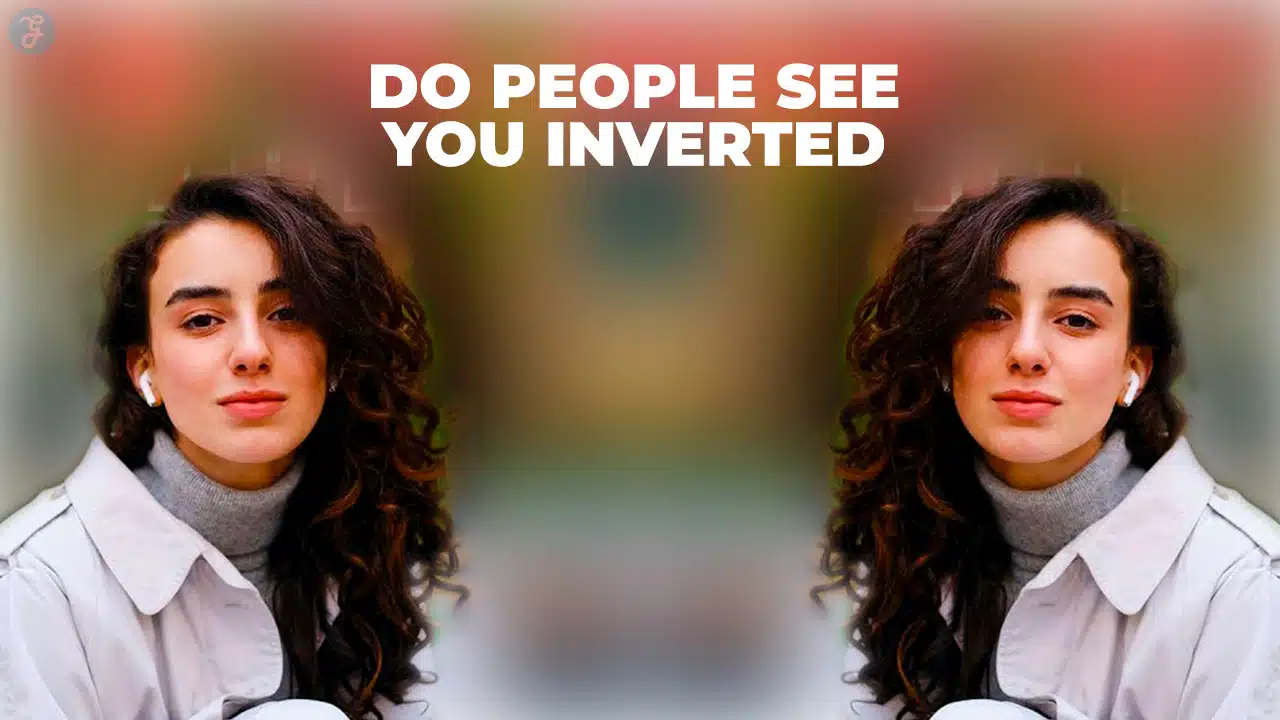
Have you ever used TikTok’s inverted filter and felt shocked by what you saw? You’re not alone. Many users face a mini identity crisis when they see their face flipped on screen. The way you look in the mirror isn’t how others see you in real life.
This simple fact has caused countless TikTok users to question their appearance and wonder: do people see you inverted in the real world?
Your brain gets used to seeing your mirror image every day. When you brush your teeth or fix your hair, you see a flipped version of yourself. The TikTok camera shows how other people actually view you.
This can be jarring because our faces aren’t perfectly symmetrical. One eye might be slightly larger, or your smile might lift more on one side. These tiny differences become very clear when your image gets flipped.
This blog will explain the science behind the mirror effect, how the inverted filter works, and what version of you people really see. We’ll help you understand why your flipped face looks so strange to you but normal to everyone else.
Keep reading to solve this mirror mystery.
Key Takeaways
- TikTok’s inverted filter shows you how others see you in real life, not the mirror image you’re used to seeing every day.
- Mirrors flip your image horizontally, which is why your inverted face on TikTok looks strange to you but normal to everyone else.
- A 1977 study found that people prefer their mirror image over their true appearance, while friends prefer seeing the non-reversed version of you.
- Our faces aren’t perfectly symmetrical—we all have slight differences between left and right sides that become more noticeable when images are flipped.
- Your brain processes faces in the fusiform gyrus area, located in the temporal and occipital lobes, which explains why seeing your flipped face can be jarring.
What Is the TikTok Inverted Filter?
The TikTok inverted filter flips your image horizontally, showing you how others see your face in real life. This popular tool works like a reverse mirror, displaying the opposite of what you normally see when you look at yourself.
Many users feel shocked at their “true” appearance because we get used to our mirror image. The filter has sparked millions of videos where people react to seeing their faces without the mirror effect they’re used to.
Some users find their face looks unsymmetrical or different than expected.
The filter works by using your phone’s camera to capture your image, then flipping it along a vertical axis. This simple change can make a big impact on how you view yourself. Your left side appears on the right, and your right side shows up on the left.
Facial features that seemed balanced before might suddenly look off-center. This explains why many TikTok users gasp or look confused when trying this filter for the first time. Now let’s explore why this inverted view makes faces look so different.
Why Does the Inverted Filter Make Faces Look Different?
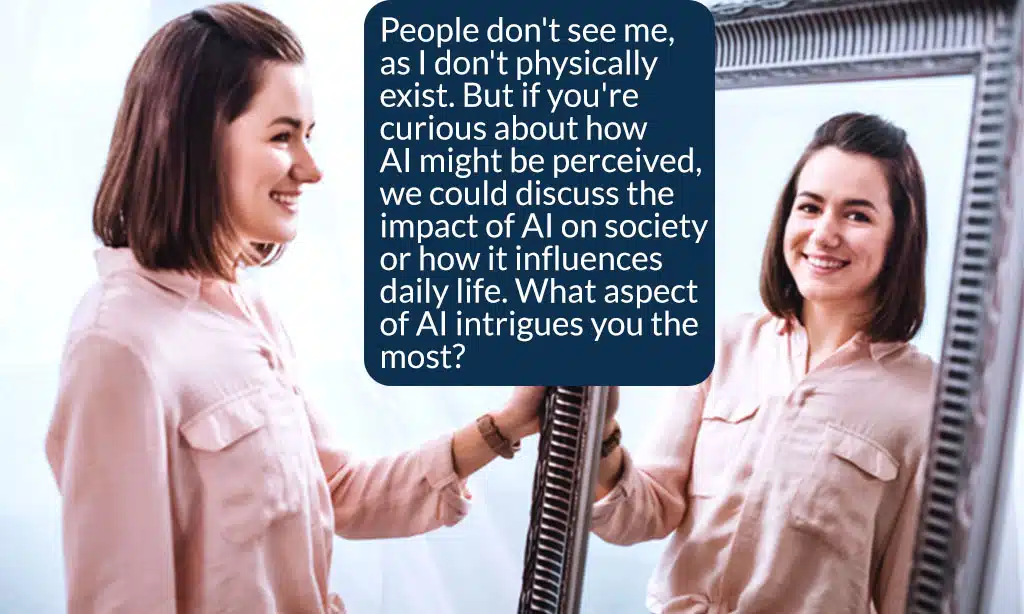
The inverted filter flips your face like a backward mirror, showing you how others see you in real life. Your brain gets confused because this view is the opposite of what you see every day when you brush your teeth or fix your hair.
The Mirror Effect vs. Inverted Images
The mirror effect tricks our brains daily. What you see in your bathroom mirror isn’t how others see you—it’s flipped! This happens because mirrors reflect images from left to right.
A 1977 study found most people prefer their mirror image over how they truly appear to others. This makes sense since we see our reflection way more often than photos of ourselves.
Your brain gets used to your flipped face and thinks it’s normal.
Your friends and family see the non-reversed version of your face. They prefer this view because it’s what they’re used to. Our faces aren’t perfectly even—we all have slight differences between the left and right sides.
The brain processes faces in a special area called the fusiform gyrus. This part sits in the temporal and occipital lobes. When you use TikTok’s inverted filter, you see yourself as others do.
Many users feel shocked at how different they look! This happens because the filter shows facial asymmetry you don’t notice in mirrors.
Facial Asymmetry and Perception
Now that we know about mirror images, let’s talk about why our faces look strange in inverted photos. Nobody has a perfectly balanced face. One eye might sit higher, or your smile might lift more on one side.
These small differences make you look like you in real life. Alex John Beck’s art show “Both sides of” proved this point. He made photos with perfectly matched left and right sides of faces.
The results looked weird and unnatural.
Your brain gets used to seeing your mirror image daily. This makes the inverted TikTok filter shocking because it shows what others actually see. Don’t worry too much about these differences! Studies show skin health matters just as much as face balance when people judge beauty.
Plus, lighting and camera angles can make small asymmetries look worse in photos. Your unique facial traits give you character that perfect symmetry never could.
Do People See You Inverted? How Do People Actually See You?
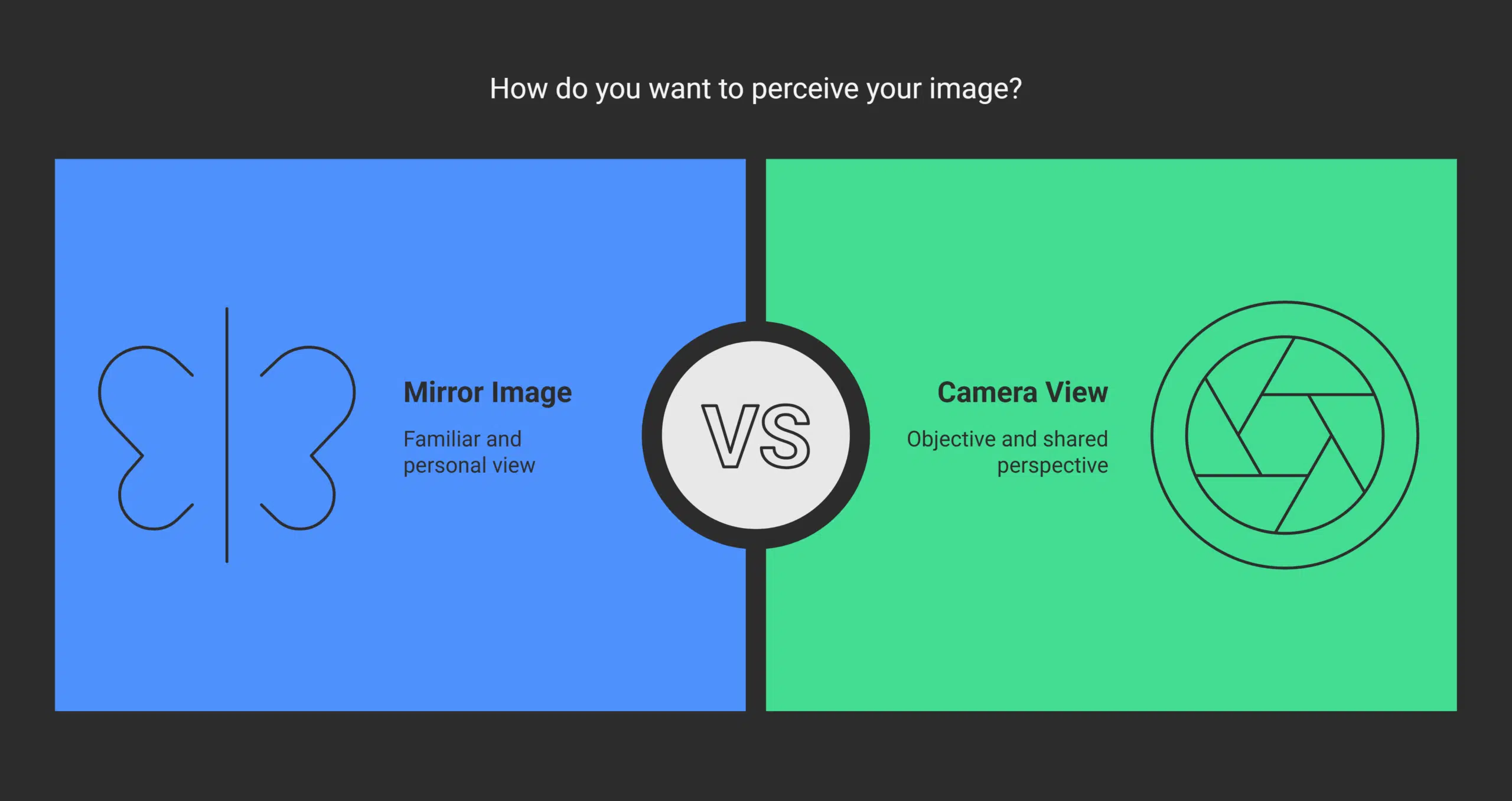
People see you in a flipped way compared to what you see in the mirror. Your friends and family are used to seeing the non-reversed version of your face—the way a camera shows you.
A study from 1977 found that your loved ones prefer this regular version of you. This happens because our brains use different neural paths to remember faces versus what we see right now.
Your face isn’t perfectly even on both sides. Most folks have some asymmetry, like a mole on one cheek or one eye slightly bigger than the other. When you use TikTok’s inverted filter, you notice these tiny differences more.
The truth is that others see the “camera version” of you, not your mirror image. Your brain gets confused by the inverted filter because it shows your face flipped from what you’re used to seeing.
The right side of your brain works extra hard to recognize faces, even when they’re upside down or flipped. This explains why the inverted filter can feel so weird—you’re seeing yourself how others do! Facial symmetry plays a big role in how we judge looks, but beauty standards change all the time.
Your personality traits matter too, not just how even your features are. So next time you try that filter and feel surprised, just know that’s the real you that everyone else has been seeing all along.
Takeaways
The TikTok inverted filter shows us how others truly see our faces, not the mirror image we know so well. This flip can feel jarring because we’re used to our mirror selves with all our small facial differences.
Your brain gets attached to that mirror version, making the inverted view seem “wrong” even though it’s how friends see you daily. Don’t stress about these differences—most folks barely notice the tiny details that jump out at you.
We all have some facial asymmetry, and these small quirks make your face special rather than flawed. Try the filter if you’re curious, but your worth goes far beyond how a camera flips your image.
FAQs
1. Do people see me inverted on TikTok?
No, people don’t see you inverted on TikTok. The way others see you in real life is how they see you on TikTok videos. Your face isn’t flipped for viewers. This is different from how you see yourself in mirrors or front-facing cameras, which show a mirror image.
2. What is the inverted filter on TikTok?
The inverted filter on TikTok flips your image to show how others truly see you. Many users find this shocking because we’re used to seeing our mirror reflection. This filter has sparked many “how people see me” videos where users compare their normal selfie view with the inverted version.
3. Why do I look different when using the inverted filter?
You look different with the inverted filter because it shows your face as others see it, not as you see yourself in a mirror. Our faces aren’t perfectly symmetrical, so when flipped, these small differences become more noticeable. This can cause face dysmorphia for some TikTok users who aren’t used to their true appearance.
4. Is my mirror reflection how others see me?
No, your mirror reflection is not how others see you. Mirrors reverse your image from left to right. When you look at your reflection, you’re seeing an inverted version of yourself. In real life, people see you non-inverted, which is what the TikTok inverted filter shows.
5. Why do I hate how I look in the inverted filter?
Many people dislike their inverted look because it’s unfamiliar. We get used to seeing ourselves in mirrors our whole lives. When the filter flips this image, it can feel like looking at another person. This explains why many users report feeling shocked when trying this filter for the first time.
6. How can I see my true appearance like others see me?
To see your true appearance as others do, use TikTok’s inverted filter or take a photo and flip it horizontally. Another method is to stand between two mirrors facing each other. Remember that how others see you is normal to them—they’ve never seen the mirror version of you that you’re used to seeing.






















