

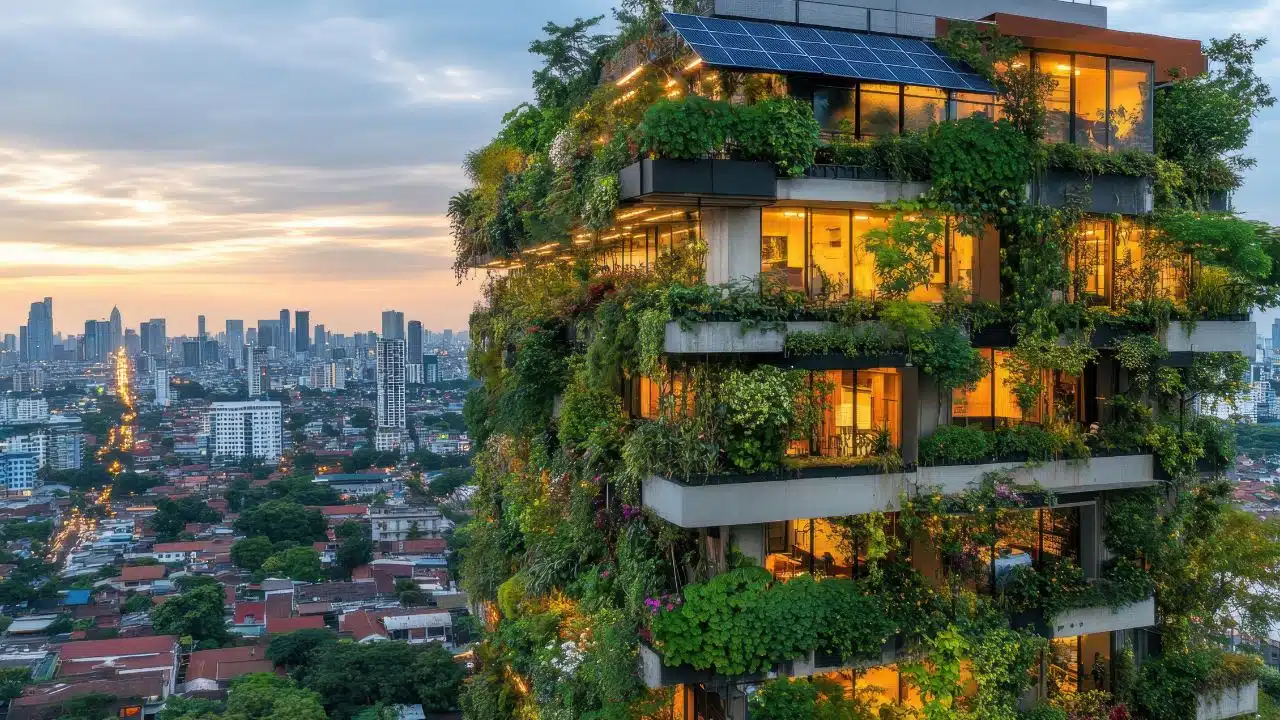
There’s a special kind of satisfaction in knowing your Airbnb doesn’t just look good—it does good. Eco-friendly doesn’t have to mean “bare and beige,” and your guests shouldn’t feel like they’ve stepped into a science experiment on sustainability. The trick is creating a place that feels intentional, comfortable, and quietly responsible. You’re not lecturing anyone on carbon footprints. You’re giving them an experience they’ll want to relive.
Start With What You Already Have
Before you buy a single new item, take stock of what’s in front of you. The most sustainable decor choice is reusing what already exists. A vintage dresser might just need a coat of low-VOC paint to become a standout piece. That mid-century chair with the wobbly leg? A little wood glue, a weekend project, and you’ve got charm that money can’t buy. This reuse-first mindset saves resources and gives your space that lived-in texture guests find comforting. It’s the difference between “decorated” and “curated.”
Secondhand doesn’t have to look second-rate. Estate sales and antique stores are goldmines for one-of-a-kind finds. You’ll get better quality and more character than anything flat-packed. And when guests walk in, they’ll notice that authenticity. The goal isn’t perfection—it’s presence.
Layer in Local Personality
Travelers crave connection, and your Airbnb should feel like it belongs to its setting. Maybe that means swapping generic wall art for something that reflects your surroundings. If you’re near the coast, go subtle—natural textures, woven baskets, sea-glass tones. In a mountain cabin, lean on cozy textiles and soft lighting. Guests should feel like they’re living the story of where they are, not just staying there.
Art can play a big role here. Supporting local artists by purchasing landscape paintings for sale online, from nearby galleries or markets adds warmth and identity to your space. It’s a quiet flex that also supports your community. Framed photography or prints inspired by local landmarks tell guests, “You’re in a place that matters.” They’ll remember that, and they’ll tell their friends.
Choose Materials That Feel Good and Do Good
When you start swapping out furnishings or linens, look for natural, durable materials—think cotton, linen, bamboo, or reclaimed wood. Guests might not consciously notice, but they’ll feel the difference. Synthetic-heavy spaces trap heat and smells, while natural fibers breathe and age gracefully. A hemp throw blanket draped over the sofa doesn’t just look organic; it feels honest. That kind of tactile experience makes people relax without even realizing why.
The same goes for cleaning products and air quality. A diffuser with essential oils beats chemical sprays any day, both for health and ambiance. A few indoor plants can pull double duty, filtering the air while adding life to corners that might otherwise feel sterile. Just avoid high-maintenance varieties—nothing says “eco-fail” like a dying fiddle-leaf fig.
Bring Comfort Into Sustainable Decor
Eco-conscious design shouldn’t come at the expense of comfort. Guests might applaud your composting system, but they’ll book again for the buttery sheets and perfectly lit reading nook. This is where thoughtful touches make a lasting impression. A reclaimed wood bed frame with crisp organic cotton bedding, thick curtains that block out light naturally, and soft, layered textures that whisper “rest easy.” It’s a mix of sensory and ethical appeal that keeps people coming back.
You can weave sustainable decor into every choice, from refillable bathroom dispensers to energy-efficient bulbs in vintage fixtures. Consider locally made ceramics for coffee mugs or planters—small details that make the stay feel human and grounded. The best sustainability is invisible; it’s felt through intention, not slogans.
Design for Flow, Not Just Photos
Instagram-worthy design helps bookings, sure, but comfort keeps the calendar full. The space should make sense for how people move, eat, and unwind. Keep seating arrangements conversational, not museum-like. Provide open surfaces for guests to set things down without creating clutter. Balance natural light with soft evening lamps that make every corner feel usable. It’s less about what looks perfect on camera and more about what feels right in real time.
Don’t forget the sound. Thick rugs, fabric wall hangings, and heavy drapes all reduce noise, creating an atmosphere of calm without guests realizing it. Sustainability extends beyond materials—it’s about emotional sustainability too. When someone walks in and immediately exhales, that’s when you’ve nailed it.
Warm Hospitality Is the Ultimate Green Feature
All the reclaimed timber and recycled textiles in the world can’t replace genuine hospitality. Leave a handwritten note on recycled cardstock, stock a basket with local snacks, or recommend your favorite nearby trails or cafes. It reminds guests that sustainability is personal—it’s about people and place, not perfection. Those human touches bridge the gap between thoughtful design and unforgettable experience.
If you want to go a step further, make your eco values easy for guests to follow. A discreet guide explaining recycling or how to use your water-saving appliances helps without preaching. Keep it short, friendly, and optional. You’re setting a tone, not assigning homework.
Eco-friendly design, done right, doesn’t announce itself—it hums quietly in the background, supporting everything that makes a stay memorable. That’s how you turn one booking into a habit, one guest into an advocate, and one simple space into something that genuinely sustains.





















