

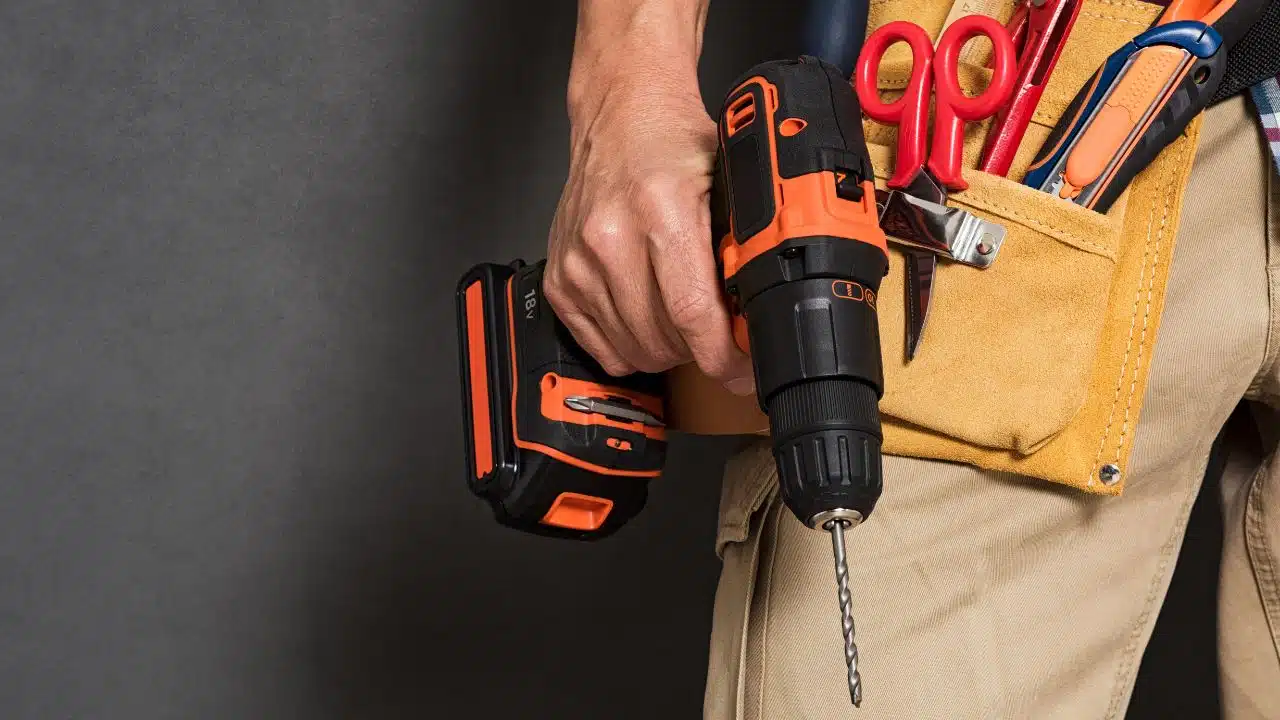
The caliber and appropriateness of your hand tools can make or ruin your project, regardless of your level of experience with do-it-yourself projects, weekend warrior status, or professional tradesmanship. Using the right tools not only enhances efficiency but also ensures safety and precision.
Because there are so many options, choosing the right hand tools could be overwhelming. This guide breaks down key considerations to help you pick the best tools for your tasks and budget.
1. Understand the Project Requirements
Before you shop hand tools in Australia, assess the type of project you’re undertaking. Is it general maintenance, car repair, plumbing, electrical work, or woodworking? Each category requires different tools tailored for specific tasks.
- Chisels, hand saws, planes, and measurement devices may be needed for woodworking.
- Electrical work typically requires insulated screwdrivers, wire strippers, and voltage testers.
- Plumbing often needs pipe wrenches, pliers, and sealant tools.
Listing out the tools you’ll need for a specific job helps avoid unnecessary purchases and ensures you’re well-equipped.
2. Choose Quality Over Quantity
It can be tempting to buy large toolkits with dozens of pieces, especially if they’re offered at a bargain. However, it’s often better to start with a few high-quality tools than to collect a drawer full of unreliable ones.
Look for tools made from durable materials like chrome vanadium steel for wrenches and screwdrivers, high-carbon steel for cutting tools, and tempered steel for hammers and chisels.
Well-made tools will last longer, work better, and reduce the chances of injury due to breakage or slippage.
3. Pay Attention to Ergonomics

Comfort is a crucial, often overlooked, factor when selecting hand tools—especially for long or repetitive tasks. Hand tiredness and the danger of repetitive strain injuries are decreased by ergonomically designed tools.
Look for features such as padded or non-slip handles, balanced weight distribution, and grips suited to your hand size.
Test tools in-store if possible to see how they feel in your hand. A comfortable tool makes your job easier and more enjoyable.
4. Check for Safety Features
Safety should always be a priority, particularly for tools with sharp edges or moving parts. When selecting tools, check for the following:
- Insulated handles for electrical tools
- Locking mechanisms on utility knives or pliers
- Shatter-resistant materials for impact tools
Ensure that tools meet relevant safety standards or certifications in your region. Investing in safer tools helps protect both you and your work surface.
5. Opt for Reputable Brands
While there are many generic tool brands available, choosing a reputable manufacturer often ensures better build quality, customer service, and warranty support. These brands often back their tools with extended warranties and offer replacement parts, making them a safer long-term investment.
6. Consider Tool Versatility
If you’re building your tool collection on a budget or have limited storage space, versatile tools can be a great asset. Multi-tools or tools with interchangeable heads (like a screwdriver set with multiple bits) offer more utility without cluttering your toolbox.
Some versatile hand tools include: Adjustable wrenches (can fit various bolt sizes), multi-bit screwdrivers, and combination pliers (cutting and gripping functions).
However, don’t compromise too much. Some specialised tasks will still require dedicated tools for precision and safety.
7. Maintenance and Storage
The lifespan of your hand tools depends on how well you care for them. Tools that are easy to maintain will serve you better in the long run. When buying, consider: Rust-resistant finishes like chrome plating, ease of cleaning, and compatibility with storage systems or toolboxes.
Also, plan for proper storage—whether it’s a toolbox, pegboard, or drawer system. Well-organised tools are easier to access and less likely to get damaged or lost.
8. Buy What You Need, When You Need It
If you’re new to using hand tools, there’s no need to buy everything at once. Start with the essentials: Hammer, screwdriver set, tape measure, utility knife, pair of pliers, and adjustable wrench.
As your projects evolve, you can expand your toolkit to include specialised tools tailored to your needs.
Choose the Right Hand Tools
Choosing the right hand tools is about more than filling a toolbox—it’s about ensuring your projects are completed safely, efficiently, and with professional results. By focusing on project requirements, tool quality, ergonomic design, and reputable brands, you can build a reliable collection that supports your goals for years to come.
In addition to making your job easier, a well-chosen tool boosts your confidence. You won’t regret taking the time to investigate, evaluate, and purchase the best equipment for your trade.





















