

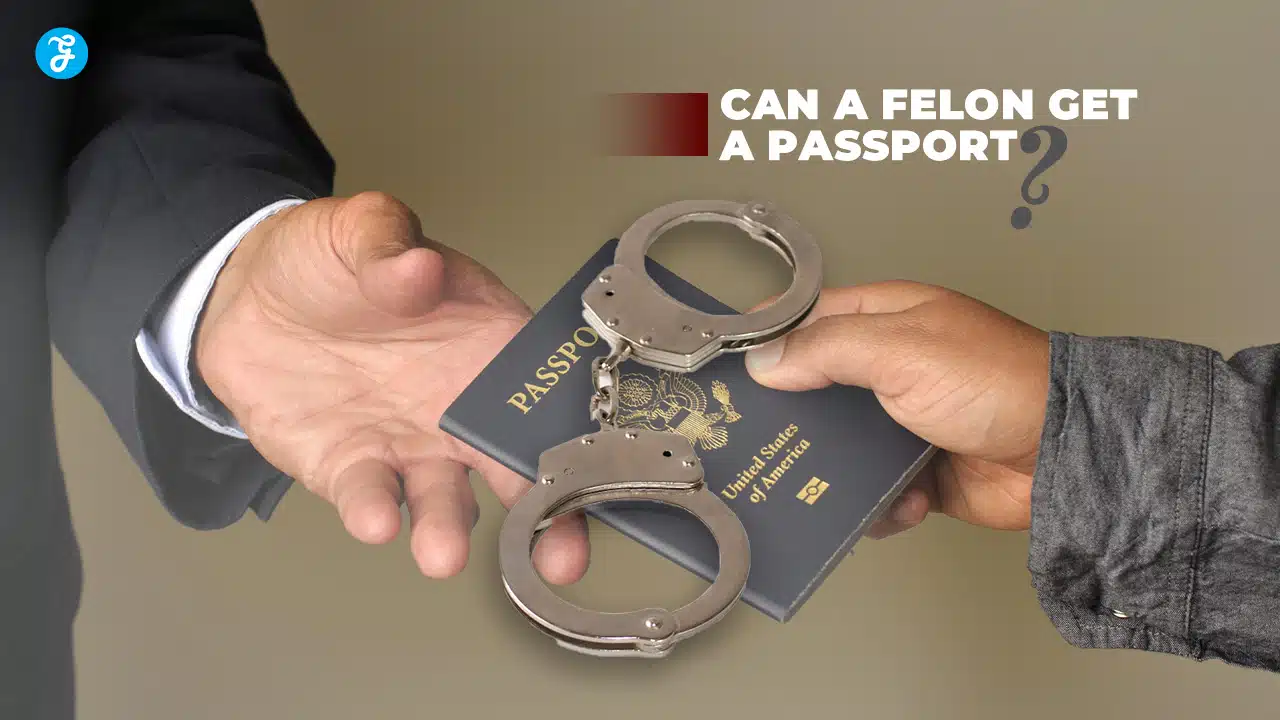
Many people wonder, “Can a felon get a passport?” This question is key for those who have made mistakes in the past but are now looking to move forward. Understanding the rules and restrictions can seem tough.
Here’s something many don’t know: most felons in the US can actually get a passport after they’ve served their sentence. Our blog will guide you through how this works, including what might stop you from getting one and how to apply if you’re eligible.
Read on for clear steps and advice.
Can a Felon Get a Passport: Passport Eligibility for Felons
Felons can sometimes get passports. But some crimes can block them from getting one.
General eligibility criteria
To get a US passport, people must meet certain rules. If you owe more than $2,500 in child support, you can’t get one. Also, owing the government more than $62,000 in taxes is a problem.
Your criminal record matters too. People convicted of drug crimes with plans across countries or sex tourism cannot have passports.
Before applying, make sure your time in jail or on parole is over. You need to tell them about any crimes on your passport form. All applicants must show they are U.S. citizens and pay the fee for their passport application or cards for travel inside the country by air.
Some felonies can stop a person from getting a passport. If someone has been in trouble for international drug trading, they can’t get one. The same goes for crimes like human trading and child pictures that break the law.
People who did cybercrimes might also have problems.
Other serious issues include federal drug charges. These might make a person wait 5 to 10 years to try for a passport. Committing treason or not paying government loans also says “no” to passport hopes.
Applying for a Passport as a Felon
Felons face extra steps when getting a passport. They need to gather documents and follow the process carefully.
Required documents and information
To apply for a passport as a felon, you need some specific things. First, you have to fill out the standard form. You also need photos of yourself and proof that you are a U.S. citizen.
A personal statement about your criminal record is important too. This should explain your history clearly.
You must also bring supporting documents with you. These can show your efforts to improve or change since your conviction. Sometimes, if the court decides, you might need to pay for a $5,000 bond before applying.
This doesn’t happen all the time, but it’s possible. Passport cards take about 4-6 weeks to process, and they let you travel to places like Mexico and Canada without needing a full passport book.
Steps in the application process
Applying for a passport can feel like a big step, especially for felons. It involves several steps and requires attention to detail.
- Gather all necessary documents. This means having your ID like a driver’s license and proof of U.S. citizenship, such as a birth certificate.
- Fill out the application form DS-11. You can find this online or at a local passport office.
- Get a passport photo taken. Make sure it meets the government’s rules for size and background color.
- Pay the application fee. This has to be done at the time you submit your application.
- Show up in person at a passport acceptance facility if you are applying for the first time or are replacing a lost, stolen, or damaged passport.
- Disclose your criminal history on the application if asked. This includes any felony convictions.
- If on probation or parole, get permission from your supervisory officer to apply for a passport.
- Submit court dispositions if they’re related to international drug trafficking charges since these can affect eligibility.
- For those with outstanding warrants or legal issues, resolve these before applying, as they can lead to denial.
- Wait for processing and issuance after successful submission of all required materials and information.
Each step is important for smooth processing and increases the chances of getting approved for international travel rights despite past mistakes.
Reasons a Felon Might Be Denied a Passport
Some crimes can stop felons from getting a passport. The State Department looks at the type of crime and other factors before saying yes or no.
Types of felonies that lead to denial
Certain crimes can stop someone from getting a passport. If a person has been found guilty of drug moving across countries or selling drugs in another country, they can’t get one. The law is clear.
Trafficking minors also leads to denial. This means if someone tries to move kids for bad reasons, they won’t be allowed a passport.
“Sex tourism,” where people travel to engage in illegal activities with minors, is another big no-no. The government takes this very seriously and denies passports for it. Having an active warrant for serious crimes like these will also block the process.
And don’t forget about owing a lot of taxes—more than $62,000 makes it impossible to get that booklet that lets you explore other nations.
Other factors influencing passport issuance
Some people might not get a passport because they owe money. If someone has not paid their federal income taxes, or if they owe more than $2,500 in child support, they could be denied a passport.
This rule helps make sure that people are responsible with their debts before traveling abroad.
The National Crime Information Center also plays a role in passport decisions. Law enforcement uses this center to share info about crimes and arrests. If your name pops up here for certain issues, like an arrest warrant or being a sex offender under the sex offender registration act, getting a passport can be hard.
These checks help keep track of who is trying to leave the country and ensure that those with serious legal problems face them first.
Travel Restrictions and Considerations
Some countries won’t let felons in. Before planning a trip, check the visa rules.
Countries that restrict or deny entry to felons
Canada can say no to people with DUIs, OWIs, or DWIs. They see these as serious. But if you want to visit Canada and have one of these records, you might get a Temporary Resident Permit (TRP) or go through Criminal Rehabilitation.
This process takes 6–18 months.
Japan also has strict rules. It does not let in people who had to stay in prison for a year or more. This is especially true for drug crimes. New Zealand asks travelers to tell them about all criminal records.
It may stop those with long prison sentences from entering the country. Mexico is less strict than others but still says no to people with very serious crimes.
Understanding visa requirements
Getting a visa involves more than just having a passport. Countries check backgrounds before they say yes or no to visitors, especially those with felony records. For felons wanting to travel abroad, it’s key to look up each country’s rules.
Some places might not let people in because of their past crimes.
Before packing bags for international air travel, felons should ask countries about their entry rules. They must be ready to talk about their past at border crossings. Even with a passport, getting into another country is not guaranteed without the right visa and clear background checks.
Appealing a Passport Denial
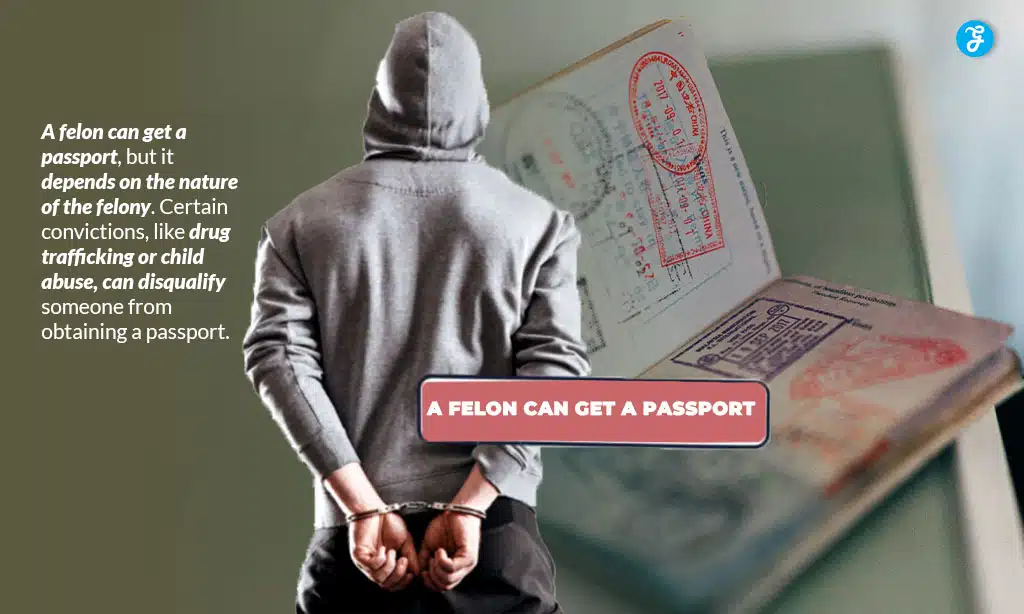
If your passport application gets denied, don’t lose hope. You can ask for another look at your case by following the correct steps and maybe talking to a lawyer to guide you through it.
Steps to appeal
Proceeding with a passport denial appeal is feasible if you respond promptly. You hold a 60-day window from the ruling to lodge your appeal with all required supplementary records. Here’s the method:
- Assemble evidence and documentation. These ought to back your assertion that the refusal was incorrect, including any court records, reformative attempts, or character references.
- Draft an appeal letter. In this correspondence, outline your reasons for requesting the decision’s amendment. Maintain clarity and utilize uncomplicated wording.
- File the appeal within a 60-day period following your denial notification. Ensure inclusion of all necessary documents and your appeal letter.
- Anticipate a response. The evaluation procedure might consume time; hence, practice patience.
- Upon another refusal, you may solicit legal counsel. An attorney may provide extended strategies to contest the ruling.
- Legal counsel holds significance for intricate cases. Attorneys possess expertise in resolving these matters effectively.
Bear in mind that the secret is to respond swiftly and supply convincing evidence that bolsters your case for receiving a passport.
Importance of legal representation
Getting help from a lawyer is key for felons applying for a passport. Lawyers know the rules and can make sure you have all the right papers, like personal statements about your past crimes.
They can guide you through how long you must wait after certain crimes before you can get a passport. This waiting time changes depending on the crime.
If your passport application gets turned down, having a lawyer is even more important. They will know what steps to take next and argue for why you should get your travel rights back.
They’re effective at showing how someone has changed for the better since their conviction. Lawyers work hard to give people back their freedom to travel by preparing strong cases that show rehabilitation efforts clearly.
Takeaways
Obtaining a passport for felons is feasible, although potentially challenging. Certain offenses can impede the acquisition process. Applicants are required to disclose their criminal records.
The US State Department scrutinizes each component. Outstanding child support or tax debt could potentially disallow passport acquisition. Nevertheless, if your penalty term, including parole or supervised supervision, is completed, application is a possibility.
Be aware that falsifying information on the application could lead to serious consequences. Hence, felons have the ability to journey abroad with a passport—being familiar with the regulations and adherence is crucial.






















