


In a major boost to India’s defence manufacturing and strategic deterrence capabilities, Defence Minister Rajnath Singh, on October 26, 2025, flagged off the first indigenously manufactured system of the next-generation BrahMos missile from the new production facility in Lucknow. The event marks a critical milestone for the Uttar Pradesh Defence Industrial Corridor and the ‘Aatmanirbhar Bharat’ (Self-Reliant India) initiative, signaling a new era of advanced domestic weapons production.
Quick Take: What You Need to Know
- First System Delivered: The first complete BrahMos-NG (Next Generation) missile system has been rolled out from the Lucknow facility, a key project under the UP Defence Industrial Corridor.
- Strategic Capability: BrahMos is the world’s fastest supersonic cruise missile, capable of being launched from land, air, and sea, providing India with a significant tactical advantage.
- Economic Impact: The Lucknow project, with an initial investment of over ₹300 crore, is expected to generate over 5,500 direct and 10,000 indirect jobs, bolstering the regional economy.
- Make in India: This development significantly reduces India’s reliance on foreign military hardware and positions the nation as a potential exporter of advanced missile systems.
- Timeline: The foundation stone for the Lucknow facility was laid in December 2021, and the rapid rollout of the first system underscores the project’s fast-tracked execution.
Context: The BrahMos Journey and the Lucknow Facility
The BrahMos missile is the flagship product of BrahMos Aerospace, a joint venture between India’s Defence Research and Development Organisation (DRDO) and Russia’s NPO Mashinostroyeniya. Named after the Brahmaputra and Moskva rivers of the two nations, it has been a cornerstone of India’s tactical arsenal for nearly two decades.
The decision to establish a new manufacturing and R&D centre in Lucknow was a strategic one, aimed at scaling up production to meet the rising demands of all three branches of the Indian Armed Forces. The foundation stone for the 200-acre facility was laid by Mr. Singh himself on December 26, 2021. Its swift operationalization is being hailed as a major success for the Uttar Pradesh government’s push to attract high-tech investment.
The Flagging-Off Ceremony: A Milestone for Defence Production
The ceremony on Saturday was attended by senior officials from the Ministry of Defence, the DRDO, the Uttar Pradesh government, and top executives from BrahMos Aerospace. In his address, Defence Minister Rajnath Singh emphasized the missile’s role in bolstering national security.
The Minister inspected the newly assembled missile system, which includes the mobile launcher, the missile itself, and the command-and-control vehicle. The rollout signifies that the facility is now equipped for serial production, with plans to manufacture around 80-100 missiles per year once it reaches full capacity.
Latest Data & Strategic Implications
The operationalization of the Lucknow unit is set to significantly enhance India’s military readiness. Here’s a look at the numbers:
- Missile Capability: The BrahMos travels at speeds of Mach 2.8 to 3.0 (nearly three times the speed of sound) and has a range that has been progressively extended from 290 km to over 450 km for land and sea variants. The air-launched version can hit targets up to 500 km away.
- Investment and Employment: The initial phase of the project involves an investment of ₹300 crore. The Uttar Pradesh Expressways Industrial Development Authority (UPEIDA) has confirmed that the project is a cornerstone of the Defence Corridor, which has attracted investment proposals worth over ₹12,000 crore as of Q3 2025.
- Export Potential: India secured its first export order for the BrahMos missile system in January 2022, a $375 million deal with the Philippines for a shore-based anti-ship variant. With the new facility ramping up production, India is actively negotiating with several other countries in Southeast Asia and the Middle East for further export deals.
Expert Analysis: A ‘Force Multiplier’
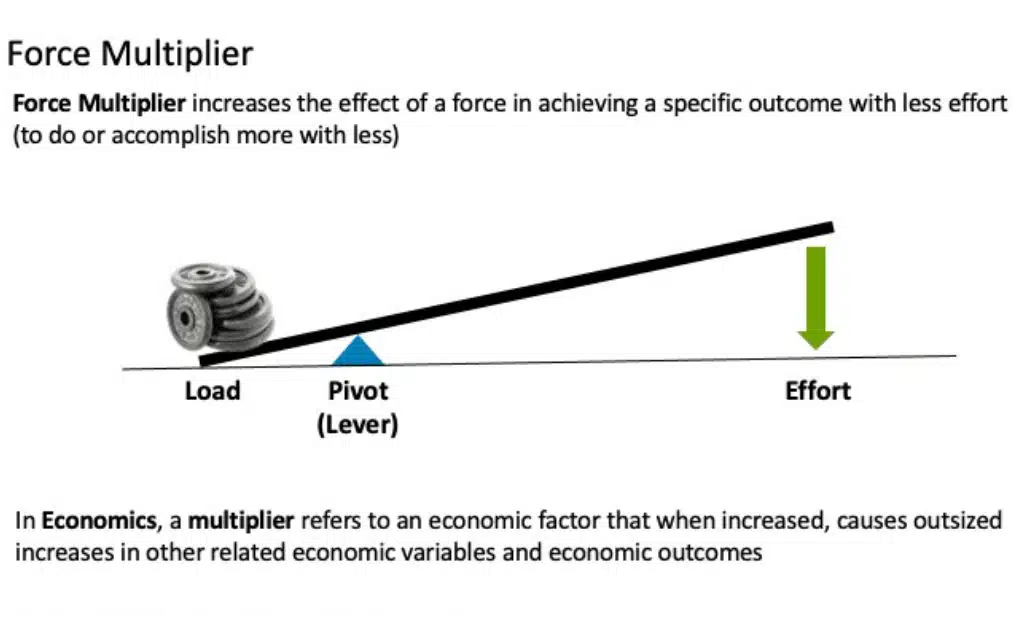
Defence analysts view this development as a significant “force multiplier.” Dr. Anit Mukherjee, a Senior Fellow at a New Delhi-based think tank, commented on the strategic shift.
“Having a dedicated, high-capacity production line for BrahMos domestically is a game-changer,” Dr. Mukherjee explained in a telephonic interview. “It shortens delivery timelines for our own forces and, more importantly, makes India a more reliable and competitive defence exporter. This isn’t just about building one missile; it’s about creating an entire ecosystem of suppliers, engineers, and technicians in the heart of the country.”
The move also sends a clear geopolitical signal. By indigenizing the production of such a critical weapon, India reduces potential vulnerabilities linked to international supply chains and strengthens its ‘credible minimum deterrence’ posture in the region.
Impact on the Ground: Voices from Lucknow
The project has generated considerable optimism locally. For small and medium-sized enterprises (SMEs) in the region, the BrahMos unit is a massive opportunity.
“We have been manufacturing precision components for the automotive industry for years. Now, we are re-skilling our workforce and upgrading our machinery to meet the stringent quality standards of the defence sector,” said Alok Sharma, owner of a local engineering firm, in a report by a local newspaper. This sentiment reflects the broader economic ripple effect the project is expected to create.
What to Watch Next
With the first system now delivered, the focus will shift to several key areas:
- Scaling Production: BrahMos Aerospace will work to achieve its target of producing 80-100 missiles annually from this facility within the next two to three years.
- Indigenization Levels: Efforts will continue to increase the percentage of indigenous components in the missile, particularly the seeker and engine, which are currently reliant on the Russian partner.
- BrahMos-NG Development: The Lucknow R&D centre will be crucial for the development and testing of the BrahMos-NG (Next Generation)—a smaller, lighter, and smarter version of the missile designed for a wider range of platforms, including the Tejas fighter jet.
- Further Exports: The government will likely intensify its diplomatic and marketing efforts to secure more export orders in the coming months.
Conclusion
The rollout of the first BrahMos system from Lucknow is far more than a ceremonial event. It represents a tangible step in India’s journey towards strategic autonomy. By marrying advanced technology with domestic manufacturing prowess, the project not only strengthens the nation’s military might but also fuels economic growth and solidifies India’s emerging role as a key player in the global defence industry.





















