

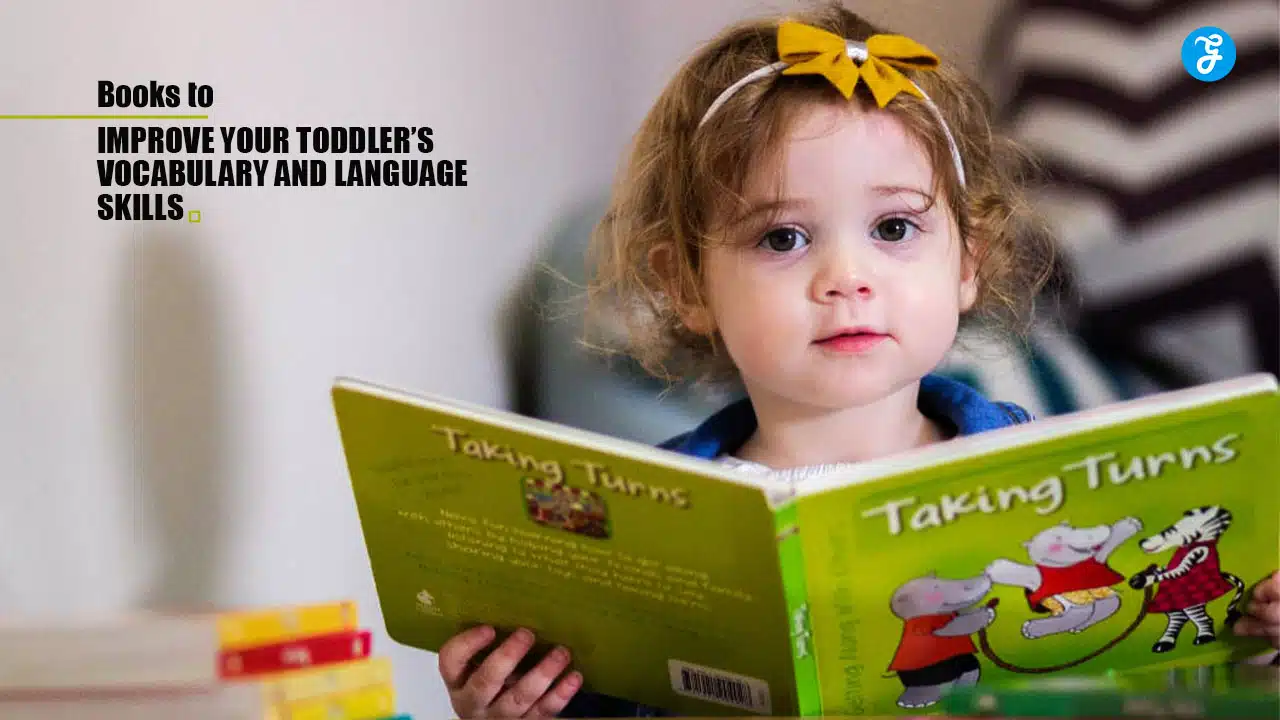
Reading is one of the best ways to enhance your toddler’s vocabulary and language development.
By introducing your child to a variety of books, you can foster a love for language while expanding their word knowledge, listening skills, and comprehension.
Selecting age-appropriate books that engage your toddler with vibrant illustrations, simple text, and interactive elements is key to making reading a fun and educational experience.
In this guide, we’ll explore 10 highly recommended books that can help improve your toddler’s vocabulary and language skills, laying a strong foundation for early literacy.
Why Reading is Crucial for Toddler Language Development?
During the toddler years, a child’s brain is rapidly developing, and exposure to language plays a crucial role in their cognitive and social growth. The more words your child hears, the faster their vocabulary expands. Reading aloud introduces toddlers to new words, sentence structures, and conversational patterns, helping them become better communicators.
Benefits of Reading for Toddlers
- Vocabulary Growth: Reading introduces toddlers to a broader range of words than they might hear in everyday conversation.
- Cognitive Development: Books enhance memory, comprehension, and critical thinking skills.
- bonding Time: Reading together strengthens the parent-child bond, offering a shared learning experience.
- Improved Listening Skills: Toddlers learn to focus on stories, improving their attention span and listening abilities.
1. “Brown Bear, Brown Bear, What Do You See?” by Bill Martin Jr.
This classic book uses repetition and simple phrases to engage toddlers. The rhythmic text encourages participation, while the colorful illustrations help toddlers associate words with objects, animals, and colors.
Key Vocabulary Focus
- Colors: Each page introduces a new color, reinforcing vocabulary related to different hues.
- Animals: Toddlers learn animal names like “bear,” “bird,” and “cat,” expanding their knowledge of common animals.
- Simple Repetition: The repetitive sentence structure (“What do you see?”) helps toddlers anticipate the next phrase, improving memory and language skills.
How to Use the Book
- Interactive Reading: Encourage your child to name the animals and colors as you turn the pages.
- Ask Questions: Pause between pages to ask your toddler what they see, promoting dialogue and vocabulary practice.
2. “Goodnight Moon” by Margaret Wise Brown
Goodnight Moon” is a calming bedtime story with a soothing rhythm and repetitive phrases. Its simple language helps toddlers become familiar with everyday objects and phrases, expanding their vocabulary in a relaxing environment.
Key Vocabulary Focus
- Everyday Objects: Items like “chair,” “balloon,” “kittens,” and “clock” introduce common household words.
- Rhyme and Repetition: The rhyming text helps toddlers predict the next word, reinforcing their understanding of language patterns.
- Action Words: Verbs like “hush” and “whisper” help toddlers expand their action-based vocabulary.
How to Use the Book
- Point and Name: As you read, point to each object in the room and name it, helping your toddler connect words to the illustrations.
- Create a Routine: Incorporate this book into your bedtime routine, making language development part of your daily activities.
3. “Where’s Spot?” by Eric Hill
This lift-the-flap book encourages toddlers to actively participate in the story by finding Spot, a playful puppy. The interactive nature of the book stimulates curiosity and introduces toddlers to descriptive language.
Key Vocabulary Focus
- Locations: Words like “under,” “behind,” and “inside” teach toddlers spatial concepts.
- Animals: The book features various animals, helping toddlers recognize and name them.
- Questions and Answers: Simple questions like “Is he under the stairs?” introduce the format of asking and answering questions, a key language skill.
How to Use the Book
- Encourage Interaction: Let your toddler lift the flaps and say the names of the animals they find.
- Practice Prepositions: As you search for Spot, emphasize the prepositions (“under the bed,” “behind the door”) to reinforce spatial vocabulary.
4. “The Very Hungry Caterpillar” by Eric Carle

This beloved story of a caterpillar’s journey to becoming a butterfly offers toddlers an engaging way to learn new words and numbers. The colorful illustrations and simple text make it a great book for vocabulary building.
Key Vocabulary Focus
- Days of the Week: Toddlers learn the names of the days as they follow the caterpillar’s eating journey.
- Food Vocabulary: The book introduces various foods like “apple,” “pear,” “strawberry,” and “salami.”
- Life Cycle Vocabulary: Concepts like “caterpillar,” “cocoon,” and “butterfly” introduce nature-based vocabulary.
How to Use the Book
- Count Along: Count the foods the caterpillar eats with your toddler to reinforce numbers.
- Act It Out: Encourage your toddler to pretend to be a hungry caterpillar, using the names of the foods as they “eat” them.
5. “Dear Zoo” by Rod Campbell
“Dear Zoo” is an engaging lift-the-flap book where a child asks the zoo to send them a pet. Each animal arrives in a crate, and toddlers get to guess what’s inside. This interactive format makes learning fun while introducing new animal names and adjectives.
Key Vocabulary Focus
- Animal Names: Words like “lion,” “giraffe,” “camel,” and “frog” expand your toddler’s knowledge of animal vocabulary.
- Descriptive Words: Adjectives like “too big,” “too scary,” and “too jumpy” help toddlers learn descriptive language.
- Verbs: Toddlers learn action words like “send” and “open” as they follow along.
How to Use the Book
- Lift the Flaps: Let your toddler lift the flaps to reveal the animals, encouraging interaction and word association.
- Describe the Animals: Ask your toddler to describe each animal, using the adjectives in the book to reinforce descriptive vocabulary.
6. “First 100 Words” by Roger Priddy
This picture book introduces toddlers to 100 everyday words, divided into categories like animals, colors, toys, and food. The colorful images and simple format make it easy for toddlers to learn and repeat new words.
Key Vocabulary Focus
- Everyday Objects: Words like “ball,” “dog,” “banana,” and “train” help toddlers recognize and name common items.
- Categories: The book categorizes words, helping toddlers understand how objects relate to each other.
- Colors and Shapes: Introduces basic colors and shapes, expanding vocabulary beyond objects.
How to Use the Book
- Point and Name: Point to each picture and say the word aloud, encouraging your toddler to repeat after you.
- Category Play: Use the categories to organize toys or objects at home, reinforcing vocabulary outside of the book.
7. “Chicka Chicka Boom Boom” by Bill Martin Jr. and John Archambault
This playful alphabet book introduces toddlers to letters through rhythmic, rhyming text and vibrant illustrations. It’s an excellent tool for helping toddlers recognize letters and associate them with sounds.
Key Vocabulary Focus
- Alphabet Letters: The book introduces all 26 letters of the alphabet in a fun, memorable way.
- Rhyme and Rhythm: The rhythmic text makes learning fun and helps toddlers remember new words and sounds.
- Action Words: Words like “climb,” “fall,” and “boom” add dynamic vocabulary to the story.
How to Use the Book
- Letter Recognition: Point to each letter as you read, helping your toddler recognize and name the alphabet.
- Sing Along: The rhythmic nature of the book lends itself to being sung, making the experience even more engaging for your child.
8. “Guess How Much I Love You” by Sam McBratney

This heartwarming story between Little Nutbrown Hare and Big Nutbrown Hare teaches toddlers about love and affection. The gentle text introduces emotional vocabulary, helping toddlers express their own feelings.
Key Vocabulary Focus
- Emotional Language: Words like “love,” “hug,” and “big” introduce feelings and expressions of affection.
- Size Comparisons: Toddlers learn words for size, such as “big,” “wide,” and “tall,” enhancing their descriptive language.
- Family Vocabulary: The parent-child dynamic in the story introduces family-related words.
How to Use the Book
- Express Emotions: As you read, encourage your toddler to express how much they love you using the phrases from the book, helping them learn emotional vocabulary.
- Describe Sizes: Ask your toddler to describe things in their environment using size comparisons like “big,” “tall,” or “wide,” reinforcing descriptive language.
9. “Peek-a-Who?” by Nina Laden
“Peek-a-Who?” is a simple yet engaging book that uses rhyme and surprise elements to keep toddlers interested. The repetitive text and peek-through pages allow toddlers to guess what comes next, enhancing their prediction and language skills.
Key Vocabulary Focus
- Rhyming Words: Words like “moo,” “who,” and “boo” introduce rhymes, helping toddlers understand phonetic patterns.
- Animal Sounds: The book features animal sounds, expanding vocabulary beyond just names.
- Word Play: Simple word play (“Peek-a-boo”) teaches toddlers how words can be used in fun and playful ways.
How to Use the Book
- Interactive Play: Let your toddler guess what’s coming next before turning the page, engaging their language and cognitive skills.
- Mimic Animal Sounds: Imitate the animal sounds in the book, encouraging your toddler to repeat them and learn new words.
10. “Llama Llama Red Pajama” by Anna Dewdney
“Llama Llama Red Pajama” uses rhyming text and relatable situations to teach toddlers about feelings like fear and comfort. The simple, rhythmic language helps toddlers improve their vocabulary while understanding emotions.
Key Vocabulary Focus
- Emotional Vocabulary: Words like “scared,” “alone,” and “calm” help toddlers express and understand emotions.
- Everyday Situations: The book introduces vocabulary related to bedtime routines, such as “pajama,” “mama,” and “whisper.”
- Rhythm and Rhyme: The rhyming text enhances language development by introducing phonetic patterns.
How to Use the Book
- Discuss Emotions: After reading, talk to your toddler about how Llama Llama feels and ask if they’ve ever felt the same way, helping them develop emotional language.
- Act Out Bedtime Routines: Use the words from the book during your own bedtime routine, reinforcing the vocabulary and creating familiarity.
Conclusion: Building Your Toddler’s Vocabulary Through Reading
Books play a vital role in developing your toddler’s vocabulary and language skills, offering a fun and interactive way for them to learn new words and concepts.
The 10 books listed above are perfect for toddlers as they introduce new vocabulary through engaging stories, rhymes, and interactive elements.
By reading these books with your child regularly, you not only foster a love for reading but also provide them with the tools they need for language development.
Whether it’s through repetition, rhyme, or word play, these books will help your toddler grow their vocabulary and set them on the path to becoming confident, expressive communicators.





















