

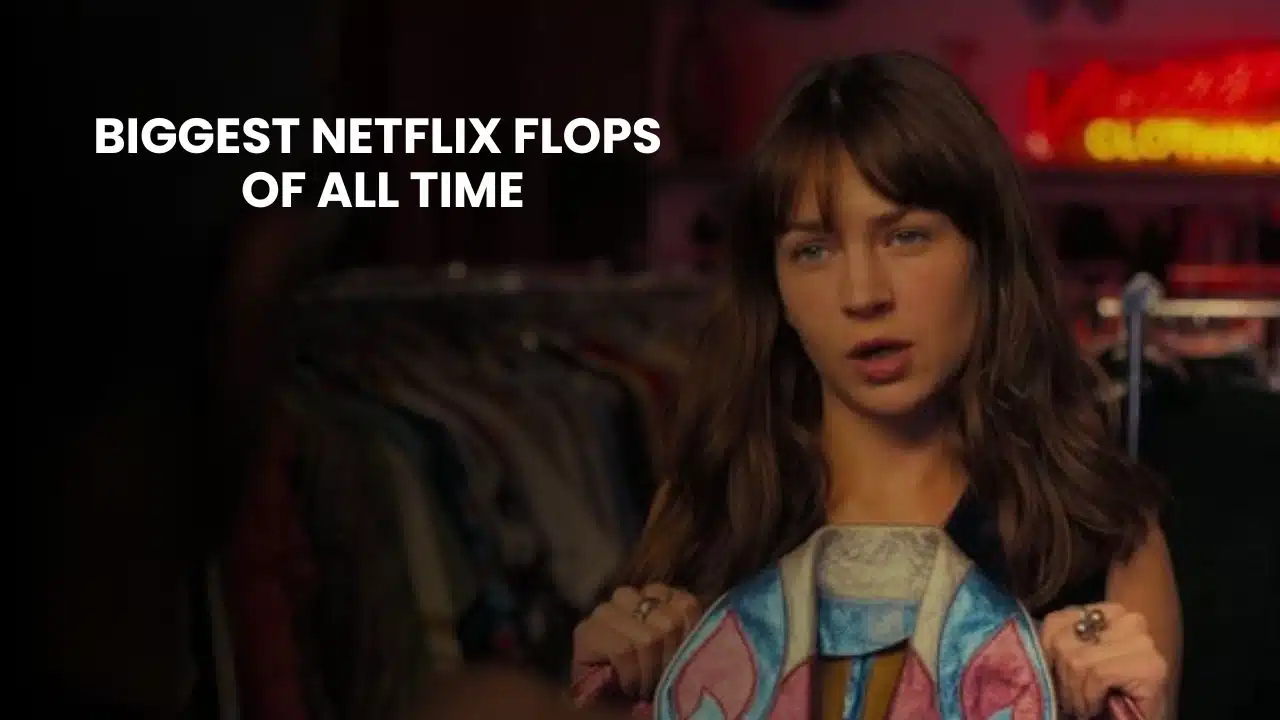
Imagine spending millions of dollars on a TV show, only to see it fail spectacularly. That’s the reality Netflix faces with some of its original content. As the world’s leading streaming service, Netflix has brought us many beloved shows and movies. But not everything they touch turns to gold. In fact, some of their projects have become infamous flops, costing the company huge sums of money and disappointing viewers.
In this article, we’ll dive into the world of Netflix’s biggest mistakes. We’ll explore the top 20 Netflix flops of all time, looking at what went wrong and why these shows didn’t succeed. Whether you’re a Netflix fan, a TV enthusiast, or just curious about the entertainment industry, this list will give you a fascinating look behind the scenes of some of the biggest failures in streaming history.
So, grab your popcorn and get comfortable. It’s time to learn about the shows that had big dreams but fell flat. Let’s discover what we can learn from these Netflix flops!
The Top 20 Biggest Netflix Flops of All Time
1. Marco Polo (2014-2016)
- Cost: $90 million for the first season
- Total Loss: Estimated $200 million
- Seasons: 2
Marco Polo was one of Netflix’s first attempts at a big-budget historical drama. The show told the story of the famous explorer’s adventures in Kublai Khan’s court. Despite its lavish sets and costumes, Marco Polo failed to capture viewers’ imaginations.
Why it flopped:
– High production costs
– Lukewarm critical reception
– Failure to attract a large audience
– Comparison to more successful historical dramas like Game of Thrones
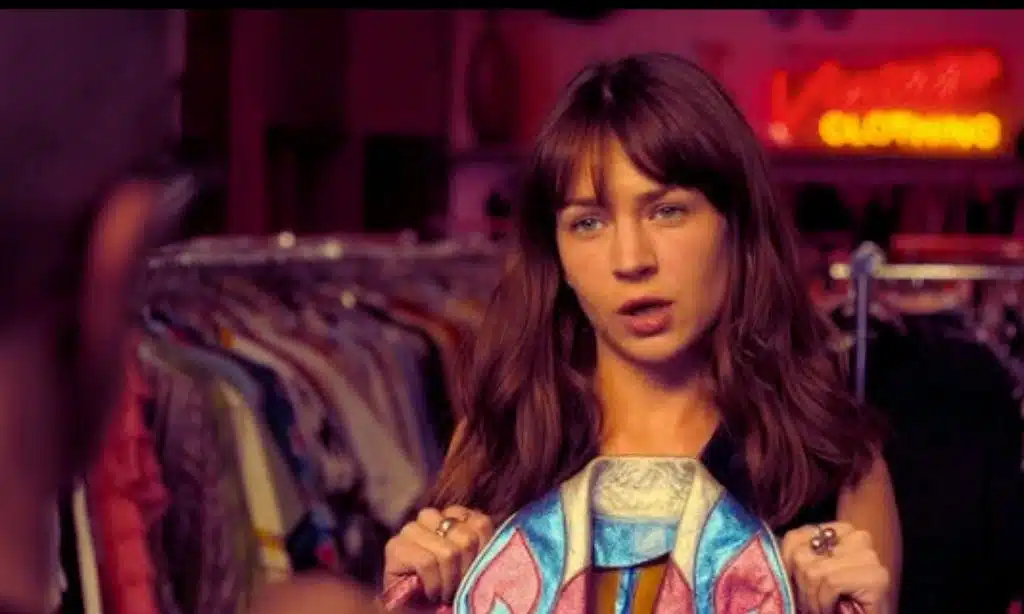
2. Girlboss (2017)
- Cost: Unknown, but likely in the tens of millions
- Seasons: 1
Based on the life of Sophia Amoruso, founder of the fashion brand Nasty Gal, Girlboss aimed to inspire young entrepreneurs. However, it ended up alienating viewers instead.
Why it flopped:
– Unlikeable main character
– Poor critical reception
– Failure to connect with its target audience
– Controversy surrounding the real-life Sophia Amoruso
3. Gypsy (2017)
- Cost: Estimated $80 million
- Seasons: 1
Starring Naomi Watts as a therapist who becomes too involved in her patients’ lives, Gypsy was meant to be a psychological thriller. Instead, it turned out to be a critical and commercial disappointment.
Why it flopped:
– Slow pacing
– Lack of compelling storylines
– Poor reviews from critics
– High production costs not justified by viewership
4. Hemlock Grove (2013-2015)
- Cost: Unknown, but significant for an early Netflix original
- Seasons: 3
One of Netflix’s early forays into original programming, this horror series based on Brian McGreevy’s novel never found its footing.
Why it flopped:
– Confusing plotlines
– Inconsistent tone
– Negative critical reception
– Failure to stand out in the crowded horror genre
5. Between (2015-2016)
- Cost: Unknown
- Seasons: 2
This Canadian sci-fi series about a town where everyone over 22 dies from a mysterious disease had an intriguing premise but failed to execute it well.
Why it flopped:
– Underdeveloped characters
– Weak writing
– Limited appeal outside its target teen audience
– Lack of marketing push from Netflix
6. Flaked (2016-2017)
- Cost: Unknown
- Seasons: 2
Will Arnett’s comedy-drama about a self-help guru struggling with his own issues in Venice, California, failed to resonate with viewers.
Why it flopped:
– Lack of compelling storylines
– Unsympathetic main character
– Poor critical reception
– Niche appeal
7. Iron Fist (2017-2018)
- Cost: Estimated $200 million for the first season
- Seasons: 2
Part of Netflix’s Marvel universe, Iron Fist was meant to be a key piece of The Defenders crossover event. Instead, it became the weakest link in Netflix’s Marvel lineup.
Why it flopped:
– Poor fight choreography (crucial for a martial arts-based show)
– Weak storylines and character development
– Controversy over white-washing accusations
– Negative comparisons to other Marvel Netflix shows
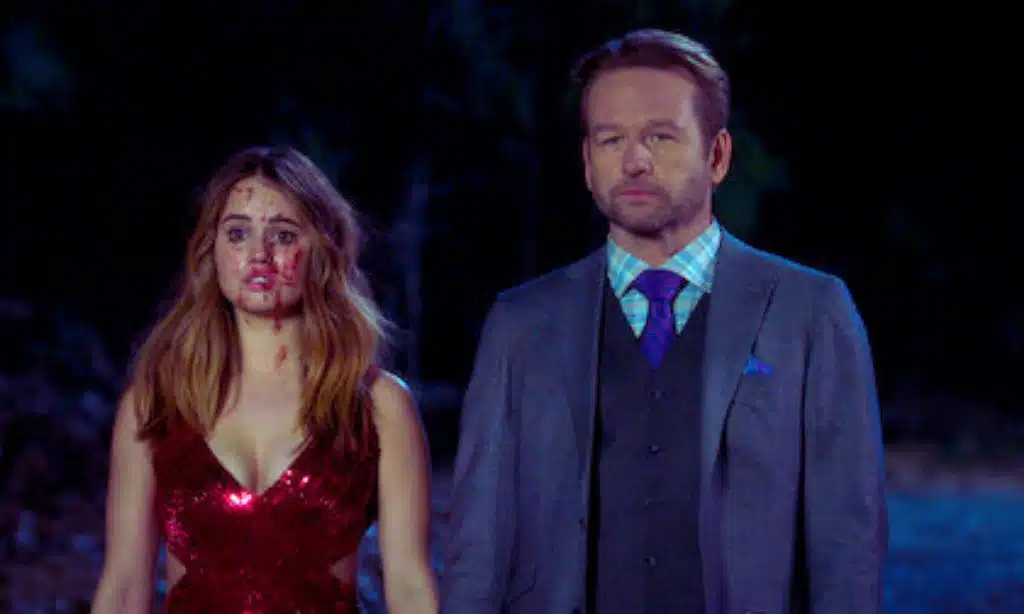
8. Insatiable (2018-2019)
- Cost: Unknown
- Seasons: 2
This dark comedy about a formerly overweight teenager turned beauty queen contestant faced controversy from the moment its trailer was released.
Why it flopped:
– Accusations of fat-shaming and promoting harmful stereotypes
– Tonal inconsistencies
– Poor critical reception
– Failure to address sensitive topics appropriately
9. Disjointed (2017-2018)
- Cost: Unknown
- Seasons: 1 (split into two parts)
Starring Kathy Bates as the owner of a marijuana dispensary, this sitcom aimed to capitalize on the growing acceptance of cannabis use but missed the mark.
Why it flopped:
– Reliance on outdated stoner stereotypes
– Weak writing and jokes
– Poor critical reception
– Failure to attract either cannabis enthusiasts or general sitcom fans
10. The Get Down (2016-2017)
- Cost: $120 million for the first season
- Seasons: 1 (split into two parts)
Baz Luhrmann’s ambitious musical drama about the birth of hip-hop in the Bronx was one of Netflix’s most expensive productions, but it couldn’t justify its enormous budget.
Why it flopped:
– Extremely high production costs
– Production delays and behind-the-scenes drama
– Mixed critical reception
– Failure to attract a large enough audience to justify its cost
11. Everything Sucks! (2018)
- Cost: Unknown
- Seasons: 1
This coming-of-age comedy set in the 1990s aimed to capture the nostalgia market but failed to find its audience.
Why it flopped:
– Struggle to balance comedy and drama effectively
– Lack of marketing push from Netflix
– Failure to stand out in the crowded teen drama genre
– Cancellation before the show could build word-of-mouth popularity
12. The Dark Crystal: Age of Resistance (2019)
- Cost: Estimated $70 million
- Seasons: 1
This prequel to Jim Henson’s cult classic film was a technical marvel, using puppetry instead of CGI. Despite critical acclaim, it couldn’t attract enough viewers to justify its high production costs.
Why it flopped:
– Extremely high production costs due to practical effects
– Niche appeal of puppet-based fantasy
– Failure to attract younger viewers unfamiliar with the original film
– Lack of marketing push from Netflix
13. Sense8 (2015-2018)
- Cost: Estimated $9 million per episode
- Seasons: 2 (plus a finale special)
Created by the Wachowskis, Sense8 was a globally-filmed sci-fi drama with a devoted fanbase. However, its high costs and niche appeal led to its cancellation.
Why it flopped:
– Extremely high production costs due to filming in multiple countries
– Complex storyline that was difficult for casual viewers to follow
– Niche appeal despite critical acclaim
– Failure to attract a large enough audience to justify its budget
14. The OA (2016-2019)
- Cost: Unknown
- Seasons: 2
This mind-bending sci-fi drama about near-death experiences and alternate dimensions gained a cult following but couldn’t attract a broad audience.
Why it flopped:
– Complex, sometimes confusing storylines
– Slow pacing in the first season
– Niche appeal despite critical acclaim
– Failure to attract enough viewers to justify continuation
15. Altered Carbon (2018-2020)

- Cost: Estimated $7 million per episode
- Seasons: 2
Based on Richard K. Morgan’s cyberpunk novel, Altered Carbon had impressive visuals but struggled to maintain viewer interest across two seasons.
Why it flopped:
– High production costs
– Complex storyline that was difficult for some viewers to follow
– Recasting of the main character in season 2
– Decline in viewership between seasons
16. The Irregulars (2021)
- Cost: Unknown
- Seasons: 1
This supernatural teen drama set in the Sherlock Holmes universe had an interesting premise but failed to capture audiences.
Why it flopped:
– Failure to stand out in the crowded teen drama and Sherlock Holmes-inspired genres
– Mixed critical reception
– Lack of marketing push from Netflix
– Cancellation before word-of-mouth popularity could build
17. Jupiter’s Legacy (2021)
- Cost: Estimated $200 million
- Seasons: 1
Based on Mark Millar’s comic book series, this superhero drama was meant to launch a whole universe of Millarworld adaptations on Netflix. Instead, it became one of the platform’s most expensive failures.
Why it flopped:
– Extremely high production costs
– Poor critical reception
– Failure to compete with established superhero franchises
– Lack of compelling storytelling despite impressive visuals
18. Cowboy Bebop (2021)
- Cost: Unknown, but likely over $70 million
- Seasons: 1
This live-action adaptation of the beloved anime series had high expectations but failed to impress fans and critics alike.
Why it flopped:
– Failure to capture the spirit of the original anime
– Mixed critical reception
– High production costs
– Controversy over changes to characters and storylines
19. The Midnight Gospel (2020)
- Cost: Unknown
- Seasons: 1
This animated series from Adventure Time creator Pendleton Ward combined podcast interviews with surreal visuals. While critically acclaimed, it was too niche for a broad audience.
Why it flopped:
– Extremely niche concept and execution
– Difficult to market to a general audience
– Lack of narrative cohesion
– Failure to attract enough viewers despite critical praise
20. 1899 (2022)
- Cost: Estimated $60 million
- Seasons: 1
From the creators of the hit show Dark, this multilingual mystery series set on a migrant steamship had high expectations but was abruptly canceled after one season.
Why it flopped:
– High production costs
– Complex, slow-burning plot that didn’t engage enough viewers
– Multilingual nature may have been a barrier for some audiences
– Surprising cancellation despite seemingly positive initial reception
Analysis of Netflix’s Flops
Looking at these 20 flops, we can identify several common factors that contributed to their failure:
1. High Production Costs: Many of these shows, like Marco Polo, The Get Down, and Jupiter’s Legacy, had enormous budgets. When viewership doesn’t match the investment, Netflix is quick to pull the plug.
2. Niche Appeal: Shows like Sense8 and The Midnight Gospel had devoted fans but couldn’t attract a broad enough audience to justify their continuation.
3. Poor Critical Reception: Many flops, such as Iron Fist and Insatiable, received negative reviews from critics, which can deter potential viewers.
4. Failure to Engage Viewers: Some shows, like Altered Carbon and 1899, had interesting premises but struggled to maintain viewer interest over time.
5. Marketing Issues: Several shows, like Everything Sucks! and The Irregulars, suffered from a lack of effective marketing from Netflix.
6. Controversy: Shows like Insatiable and Girlboss faced backlash over their content or portrayal of certain issues, which may have turned viewers away.
7. Competition: In a crowded streaming market, some shows like Jupiter’s Legacy failed to stand out against established franchises.
Netflix’s Strategy and Lessons Learned
These flops have taught Netflix valuable lessons, leading to changes in their content strategy:
1. Data-Driven Decisions: Netflix now relies heavily on viewer data to decide which shows to greenlight, renew, or cancel.
2. Budget Control: The company is more cautious about investing huge sums in unproven properties.
3. Diversity in Content: Netflix continues to produce a wide variety of content to cater to different audience segments.
4. Quality Over Quantity: There’s a greater focus on producing high-quality content rather than just a large volume of shows.
5. Marketing Strategy: Netflix is improving its marketing efforts to ensure promising shows don’t get lost in the shuffle.
6. Shorter Seasons: Many new Netflix shows have shorter seasons, reducing the financial risk if a show doesn’t perform well.
7. International Focus: Netflix is investing more in international content, which often has lower production costs and can attract global audiences.
Takeaways
Netflix’s journey is filled with both hits and misses. While the flops we’ve explored represent significant financial losses and missed opportunities, they also demonstrate the risks and challenges of creating original content in the ever-evolving world of streaming entertainment.
These failures have pushed Netflix to refine its approach, leading to more strategic decisions about content creation, budget allocation, and audience targeting. The lessons learned from these flops have arguably contributed to Netflix’s continued success and dominance in the streaming market.
As viewers, these flops remind us of the unpredictable nature of entertainment. A big budget or a star-studded cast doesn’t guarantee success. Sometimes, the most unexpected shows become global phenomena, while highly anticipated series fall flat.
For aspiring content creators and industry professionals, Netflix’s flops offer valuable insights into the complexities of producing successful streaming content. They highlight the importance of balancing artistic vision with audience appeal, managing production costs, and adapting to changing viewer preferences.
As Netflix continues to evolve and compete in the increasingly crowded streaming landscape, it will undoubtedly face more challenges and potential flops. But with each failure comes the opportunity to learn, adapt, and potentially create the next big hit.
What do you think about these Netflix flops? Have you watched any of them? Remember, even in failure, these shows contributed to the rich tapestry of content that makes streaming services so compelling. Who knows? Today’s flop might be tomorrow’s cult classic!





















